



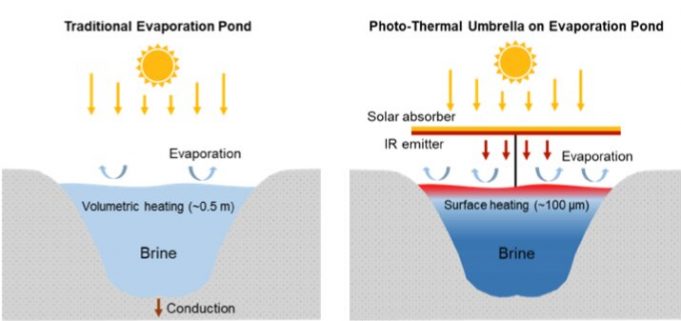
Evaporation ponds, which are commonly used in many industries to manage wastewater, can span acres, occupying a large footprint and often posing risks to birds and other wildlife. Yet they're an economical way to deal with contaminated water because...
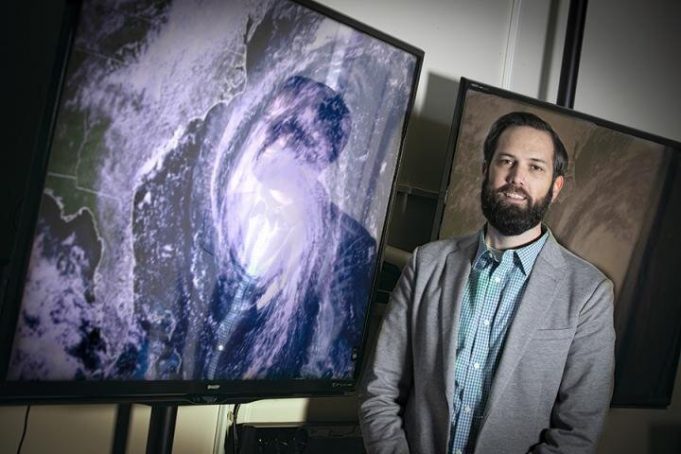
A study led by Kevin Reed, Ph.D., Assistant Professor in the School of Marine and Atmospheric Sciences (SoMAS) at Stony Brook University, and published in Science Advances, found that Hurricane Florence produced more extreme rainfall and was spatially larger due...
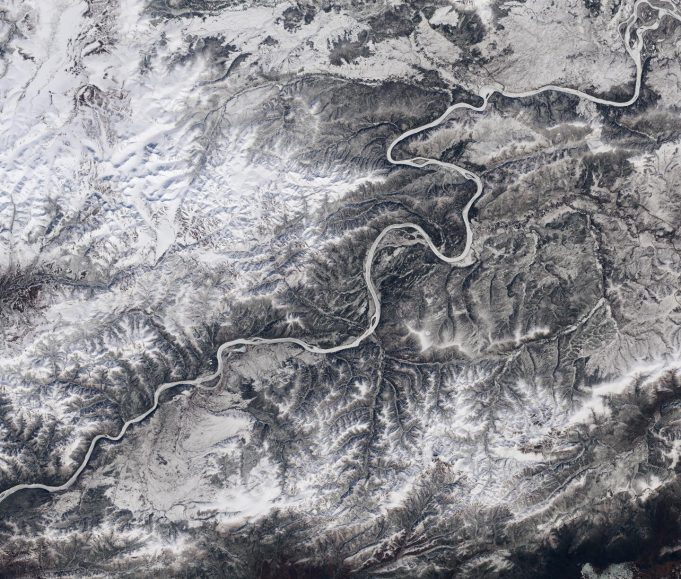
More than half of Earth's rivers freeze over every year. These frozen rivers support important transportation networks for communities and industries located at high latitudes. Ice cover also regulates the amount of greenhouse gasses released from rivers into Earth's...
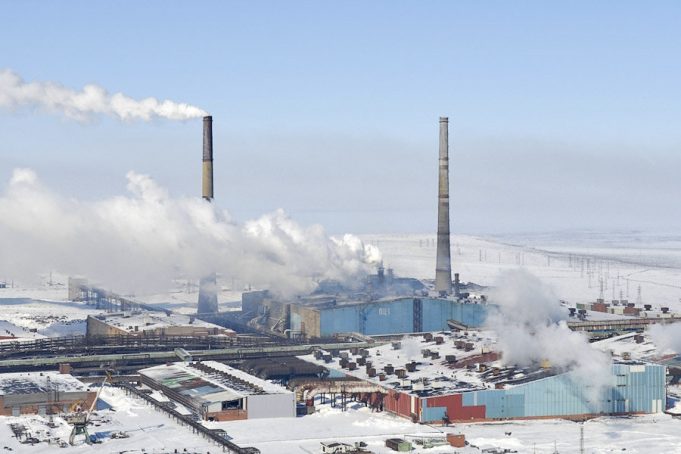
Scientists from Skoltech and Heriot-Watt University proposed extracting methane by injecting flue gas into permafrost hydrate reservoirs. Since the flue gas contains carbon dioxide, the new technology will also contributes to reduction of this green house gas in the...

The North Atlantic Current transports warm water from the Gulf of Mexico towards Europe, providing much of north-western Europe with a relatively mild climate. However, scientists suspect that meltwater from Greenland and excessive rainfall could interfere with this ocean...
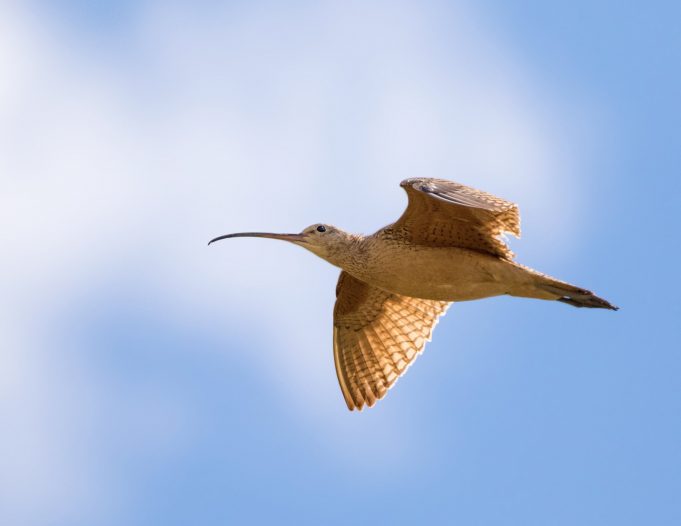
Life cycles for birds, insects and trees are shifting in this current era of a rapidly changing climate. How migration patterns, in particular, are changing and whether birds can track climate change is an open question.
Kyle Horton, assistant professor...
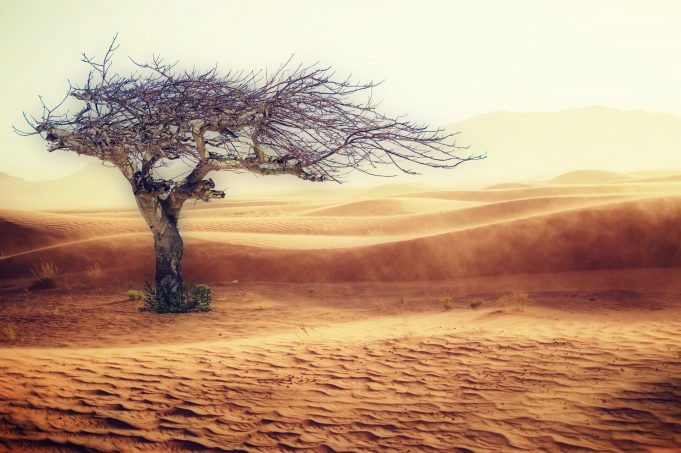
A new study by two University of Toronto researchers is proposing a different way to think about tackling climate change—one that shifts focus away from emissions reductions in favor of eliminating fossil fuel energy altogether.
The research is published in...
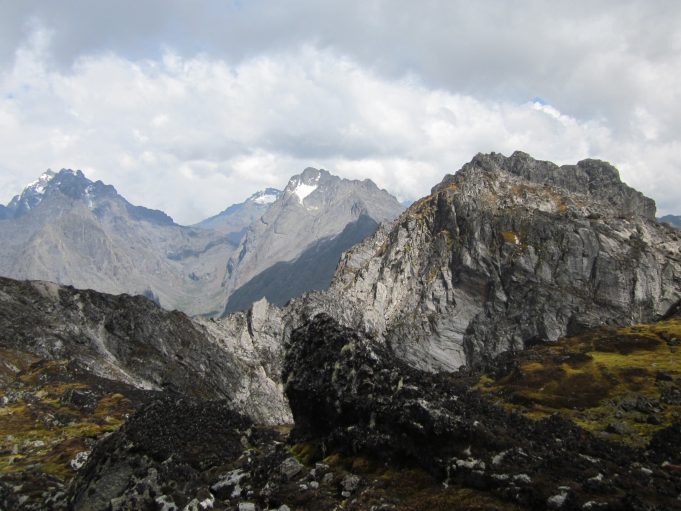
Tropical glaciers in Africa and South America began their retreat simultaneously at the end of the last ice age about 20,000 years ago, according to a Dartmouth study.
The finding of synchrony in ice retreat across the global tropics clarifies...
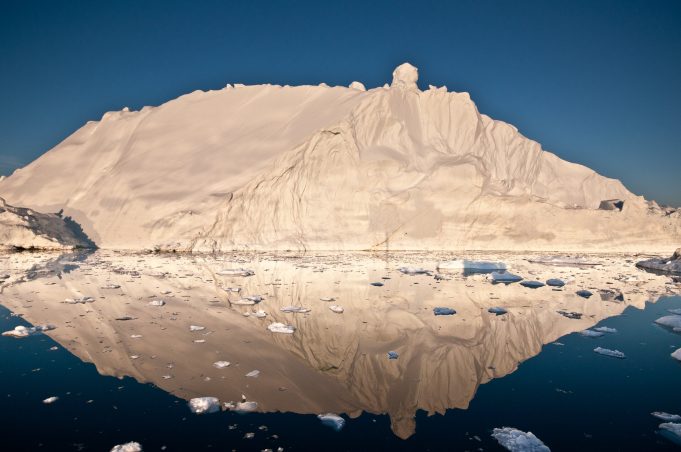
Greenland is losing ice seven times faster than in the 1990s and is tracking the Intergovernmental Panel on Climate Change's high-end climate warming scenario, which would see 400 million more people exposed to coastal flooding by 2100.
A team of...
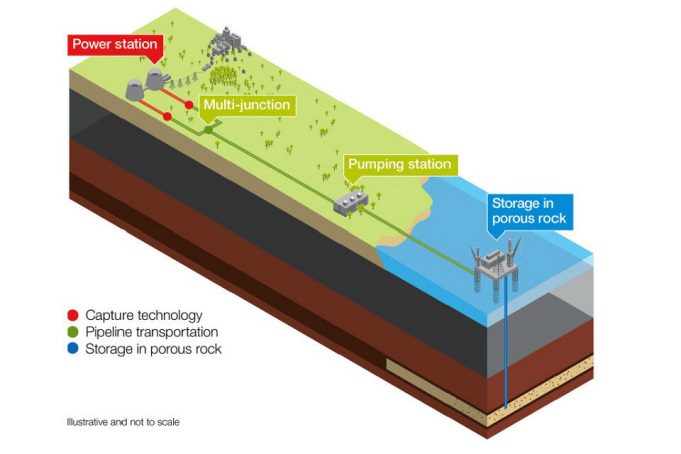
As the world gathers in Madrid to discuss how to reduce greenhouse gas emissions to fight climate change, a newly released study makes the case that trapping emissions underground could go a long way toward solving the problem.
The study—from...
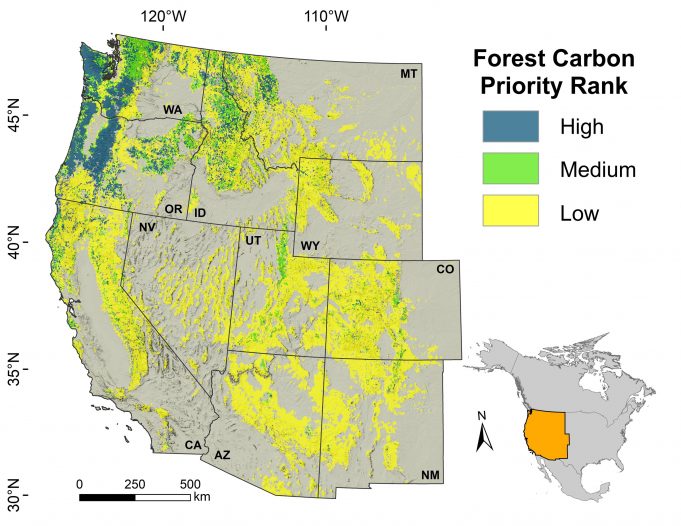
A study by Oregon State University researchers has identified forests in the western United States that should be preserved for their potential to mitigate climate change through carbon sequestration, as well as to enhance biodiversity.
Those forests are mainly along...


