





A group of atmospheric scientists have uncovered an environmental footprint that could help explain why the cost of hailstorm damage is rapidly increasing in the United States.
The scientists, led by Brian Tang at the University at Albany, combined 38...
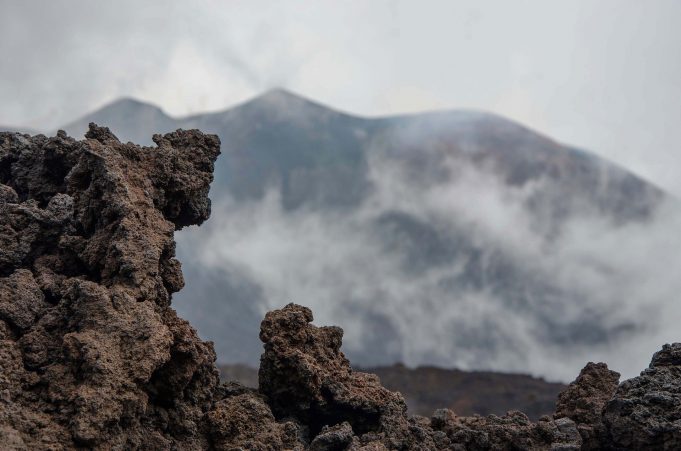
Greenhouse gas emissions released directly from the movement of volcanic rocks are capable of creating massive global warming effects—a discovery which could transform the way scientists predict climate change, a new study reveals.
Scientists' calculations based on how carbon-based greenhouse gas levels...

A new study from Swansea University has given new insights into how the greenhouse gas methane is being produced in the surface waters of lakes, which should signal a rethink on the global methane cycle.
After carbon dioxide, methane is the second most...
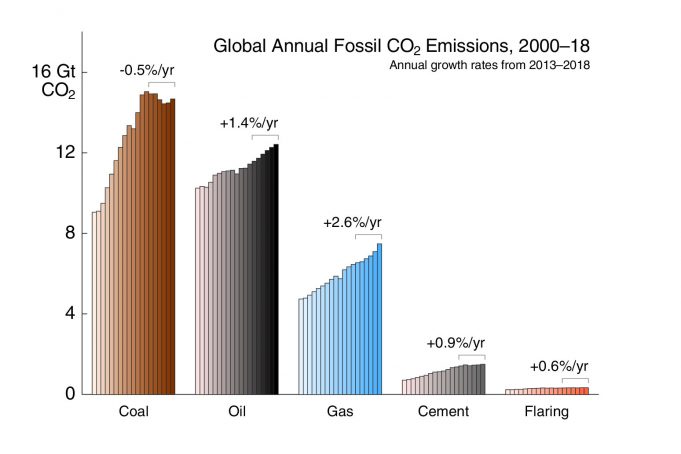
The runaway train that is climate change is about to blow past another milestone: global fossil-fuel carbon dioxide emissions will reach yet another record high. Driven by rising natural gas and oil consumption, levels of CO2 are expected to hit...
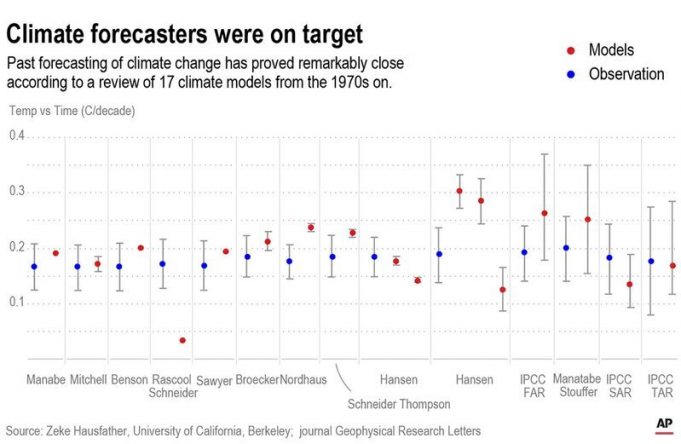
The computer models used to simulate what heat-trapping gases will do to global temperatures have been pretty spot-on in their predictions, a new study found.
After years of hearing critics blast the models' accuracy, climate scientist Zeke Hausfather decided to...
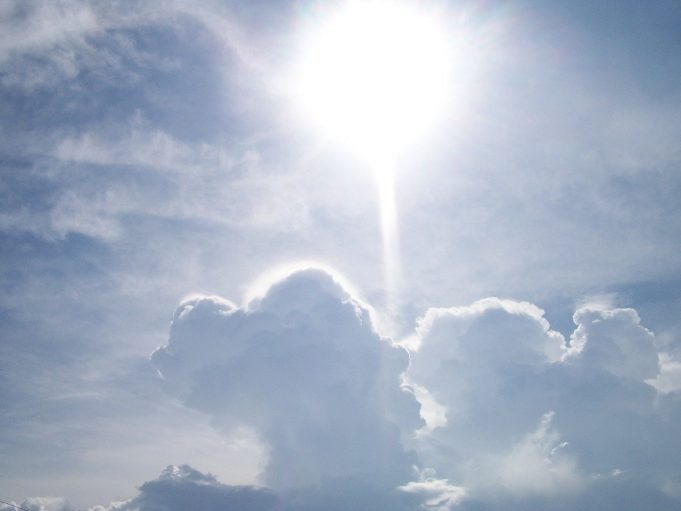
The relationship between aerosols (particulate matter) and their cooling effect on the Earth due to the formation of clouds is more than twice as strong as was previously thought. As the amounts of aerosols decrease, climate models that predict...
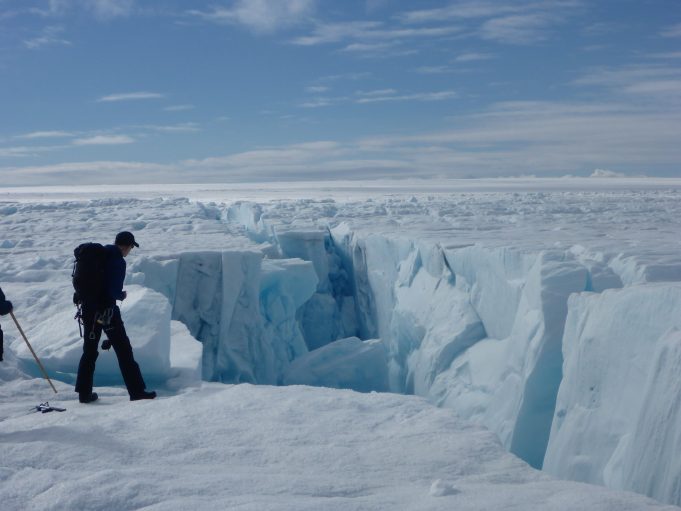
The world's second-largest ice sheet, and the single largest contributor to global sea-level rise, is potentially becoming unstable because of fractures developing in response to faster ice flow and more meltwater forming on its surface.
Using custom-built drones strong enough...

In a Perspective article appearing in this week's Proceedings of the National Academy of Sciences, Tim Palmer (Oxford University), and Bjorn Stevens (Max Planck Society), critically reflect on the present state of Earth system modelling.
They argue that it is a...
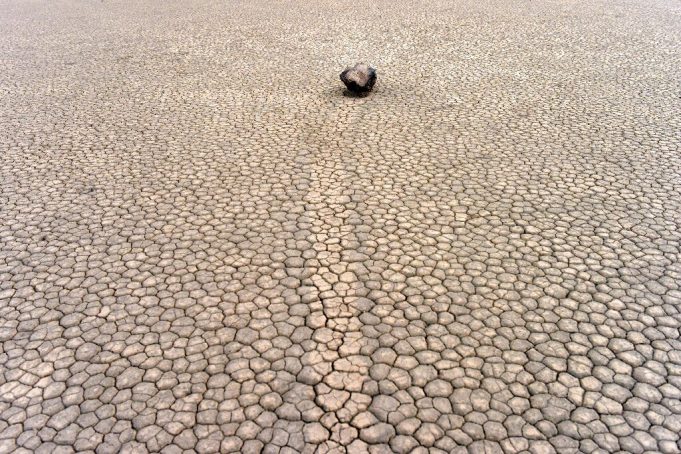
Loading the atmosphere with five million tonnes of CO2 every hour has pushed Earth dangerously close to a no-return threshold, beyond which lies an unlivable hothouse world, top climate scientists have warned.
There are 15 known tipping points in the...
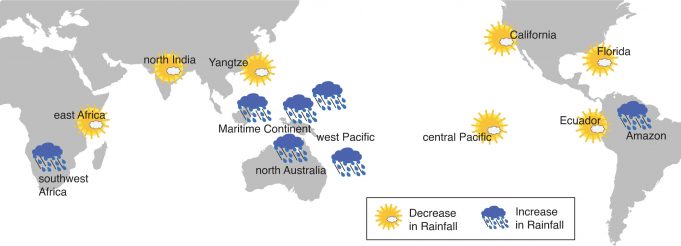
New research by NOAA and a visiting scientist from India shows that warming of the Indo-Pacific Ocean is altering rainfall patterns from the tropics to the United States, contributing to declines in rainfall on the United States west and...
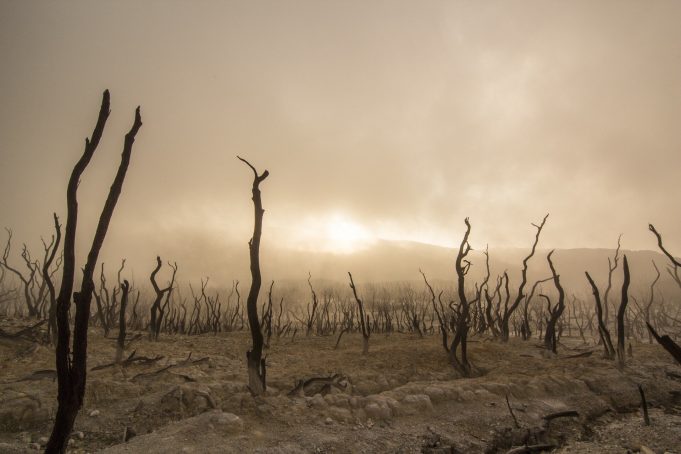
More than half of the climate tipping points identified a decade ago are now "active", a group of leading scientists have warned.
This threatens the loss of the Amazon rainforest and the great ice sheets of Antarctica and Greenland, which...


