



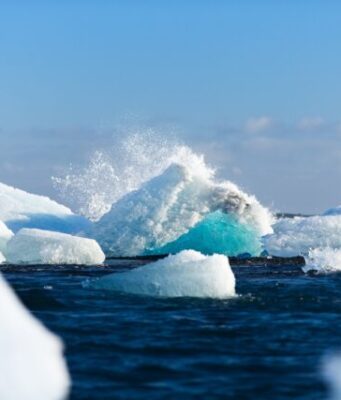
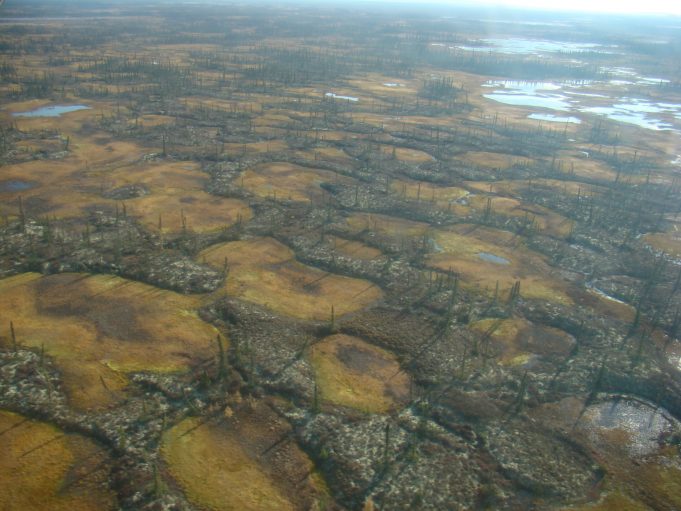
Abrupt thawing of permafrost will double previous estimates of potential carbon emissions from permafrost thaw in the Arctic, and is already rapidly changing the landscape and ecology of the circumpolar north, a new CU Boulder-led study finds.
Permafrost, a perpetually...
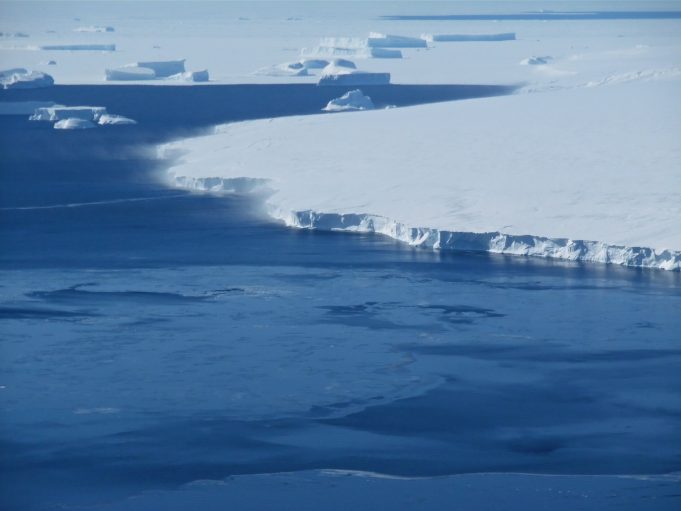
A new study suggests the Western Antarctic Ice Sheet is less stable than researchers once thought. As in the past, its collapse in the future is likely.
The finding is based in part on the results of a paper published...
Chi Chen, a Boston University graduate researcher, and Ranga Myneni, a BU College of Arts & Sciences professor of earth and environment, released a new paper that reveals how humans are helping to increase the Earth's plant and tree...
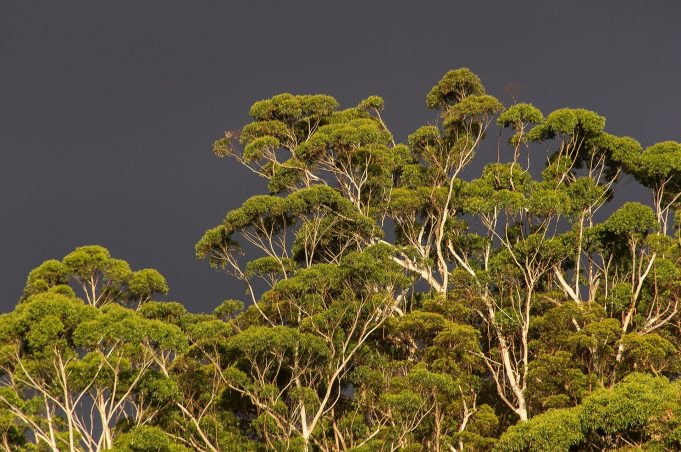
New research shows that an increasing number of countries are publishing ecosystem accounts, helping to embed nature in economic and financial decisions.
Internationally endorsed guidelines for ecosystem accounting were released by the United Nations in 2014 and provide a multidisciplinary...
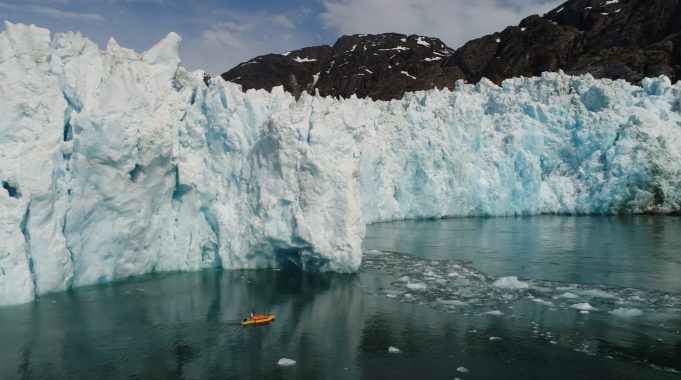
Tidewater glaciers, the massive rivers of ice that end in the ocean, may be melting underwater much faster than previously thought, according to a Rutgers co-authored study that used robotic kayaks.
The findings, which challenge current frameworks for analyzing ocean-glacier interactions,...
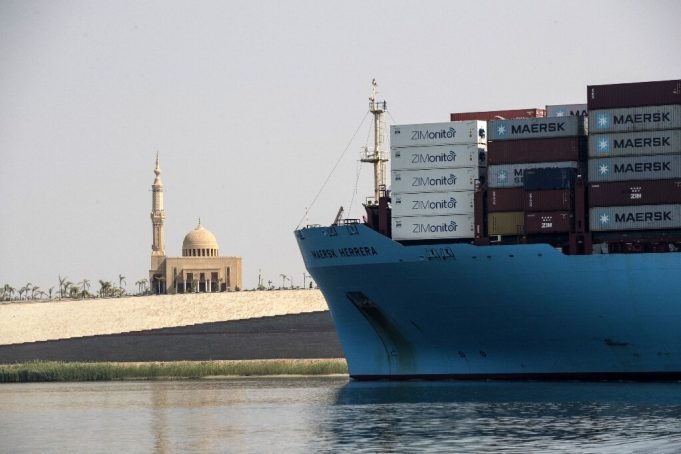
Hydrocarbon gases bubbling from the bottom of the Red Sea are polluting the atmosphere at a rate equivalent to the emissions of some large fossil fuel exporting countries, researchers said Tuesday.
The gases seeping from the waters—which are ringed by...
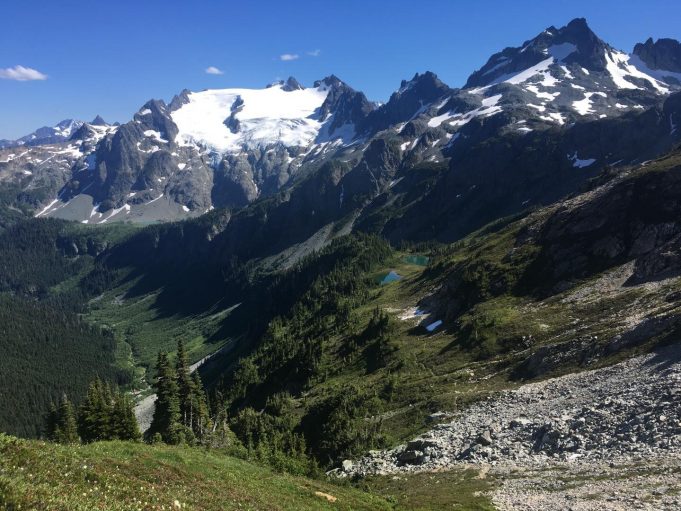
All plants and animals need suitable conditions to survive. That means a certain amount of light, a tolerable temperature range, and access to sources of food, water and shelter.
Many of the existing efforts to protect plant and animal species across the...
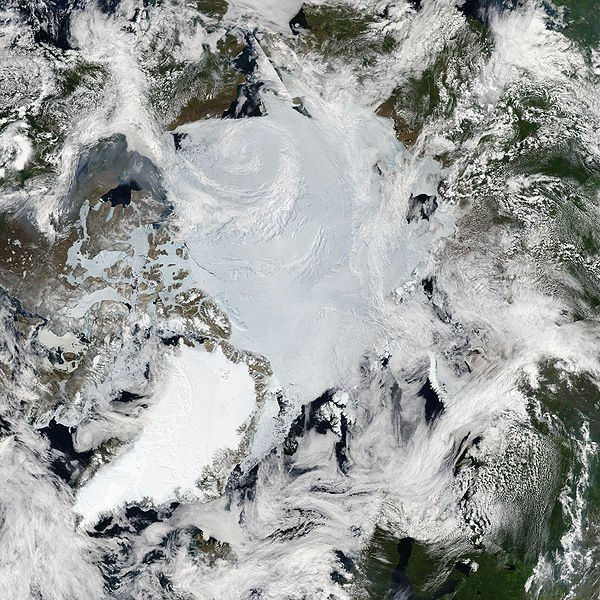
Two researchers present evidence today in the journal Proceedings of the National Academy of Sciences that the accelerating melt of Arctic sea ice is linked to weather patterns near the equator in the Pacific Ocean.
Charles Kennel, a physicist and the former director of...
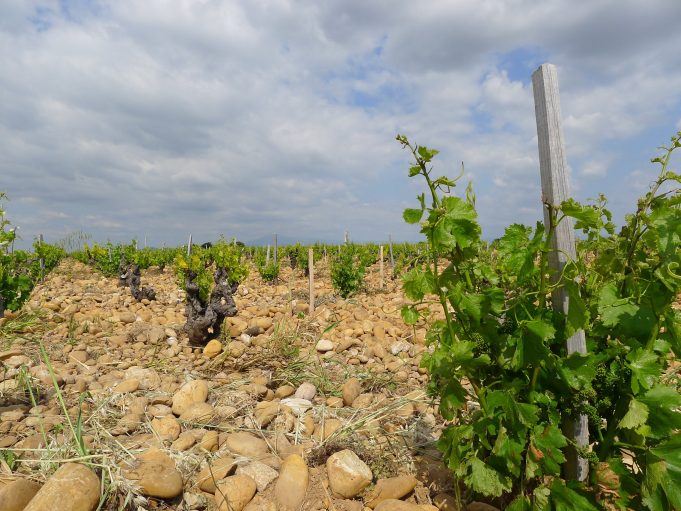
If you were planning to drink your way through the climate apocalypse, here's some unfortunate news: Just as climate change threatens homes, food and livelihoods, so does it threaten the world's supply of wine. If temperatures rise by 2...
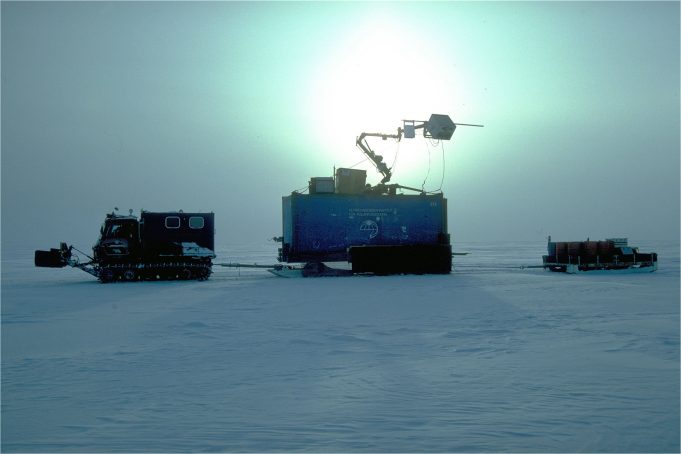
Using the latest satellite technology from the European Space Agency (ESA), scientists from the University of Bristol have been tracking patterns of mass loss from Pine Island—Antarctica's largest glacier.
They found that the pattern of thinning is evolving in complex...
The wide-scale introduction of large herbivores to the Arctic tundra to restore the "mammoth steppe" grassland ecosystem and mitigate global warming is economically viable, suggests a new paper from the University of Oxford.
Grazing animals such as horses and...


