



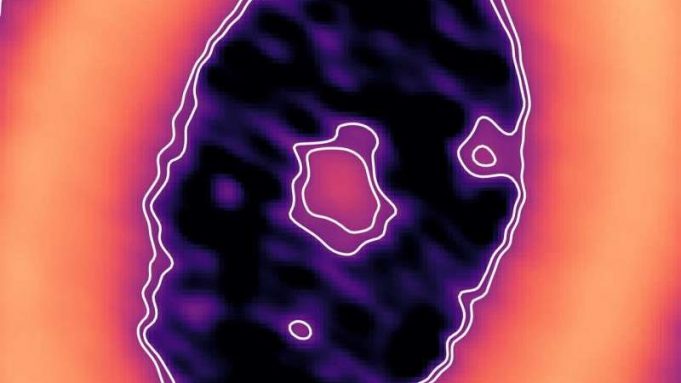
Using Earth's most powerful array of radio telescopes, astronomers have made the first observations of a circumplanetary disk of gas and dust like the one that is believed to have birthed the moons of Jupiter.
The find, reported online today...
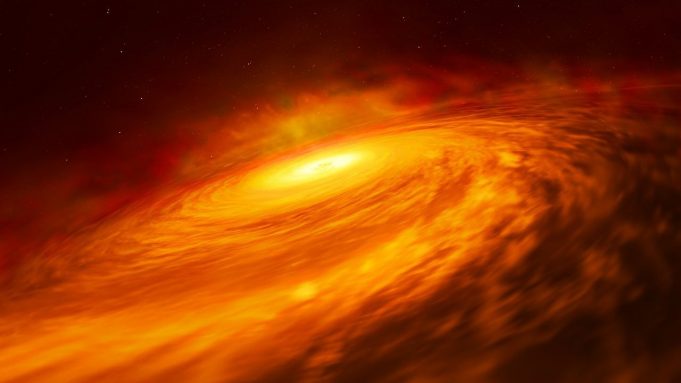
Astronomers using the NASA/ESA Hubble Space Telescope have observed an unexpected thin disc of material encircling a supermassive black hole at the heart of the spiral galaxy NGC 3147, located 130 million light-years away.
The presence of the black hole...
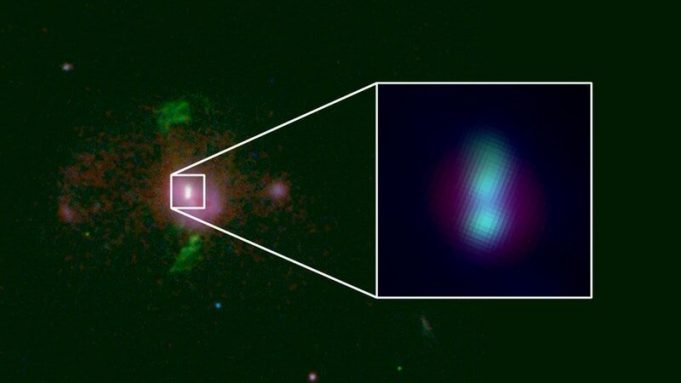
Astronomers have spotted a distant pair of titanic black holes headed for a collision.
Each black hole's mass is more than 800 million times that of our sun. As the two gradually draw closer together in a death spiral, they...
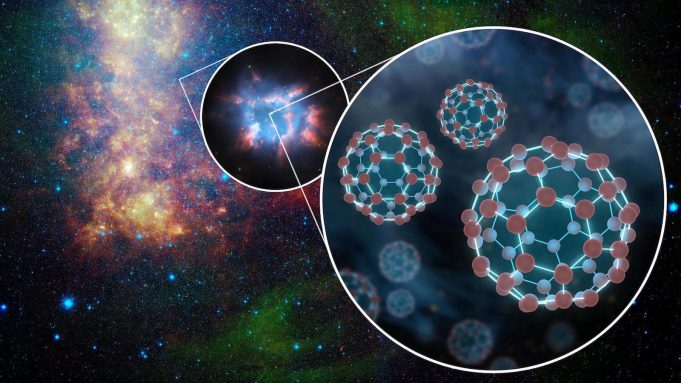
Astrophysicists know that iron (chemical symbol: Fe) is one of the most abundant elements in the universe, after lightweight elements such as hydrogen, carbon, and oxygen. Iron is most commonly found in gaseous form in stars such as the...
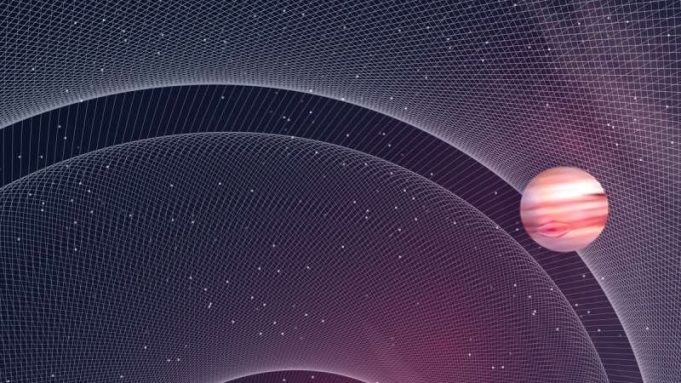
In a recent paper in Nature Astronomy, researchers from the Max Planck Institute for Gravitational Physics (Albert Einstein Institute/AEI) in Potsdam and from the French Alternative Energies and Atomic Energy Commission (CEA) in Saclay, Paris suggest how the planned space-based...
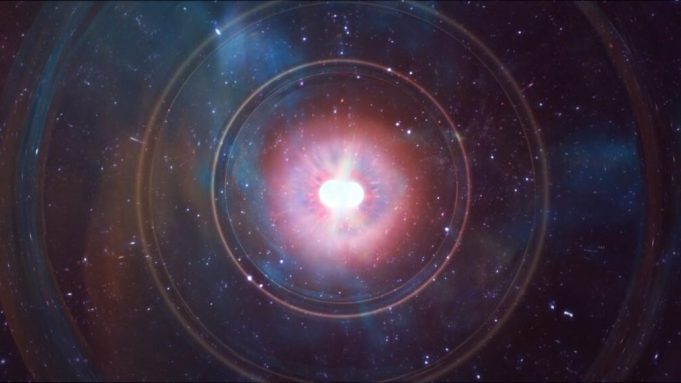
Astronomers using National Science Foundation (NSF) radio telescopes have demonstrated how a combination of gravitational-wave and radio observations, along with theoretical modeling, can turn the mergers of pairs of neutron stars into a "cosmic ruler" capable of measuring the...
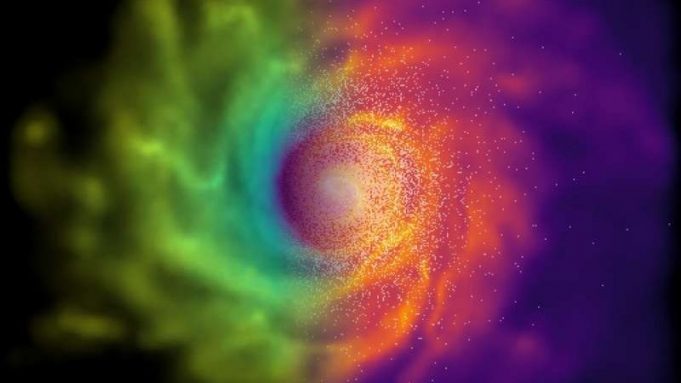
Supercomputer simulations of galaxies have shown that Einstein's theory of General Relativity might not be the only way to explain how gravity works or how galaxies form.
Physicists at Durham University, UK, simulated the cosmos using an alternative model for...

Galaxy clusters are some of the most massive structures in the cosmos, but despite being millions of lightyears across, they can still be hard to spot. Researchers at Lancaster University have turned to artificial intelligence for assistance, developing "Deep-CEE"...
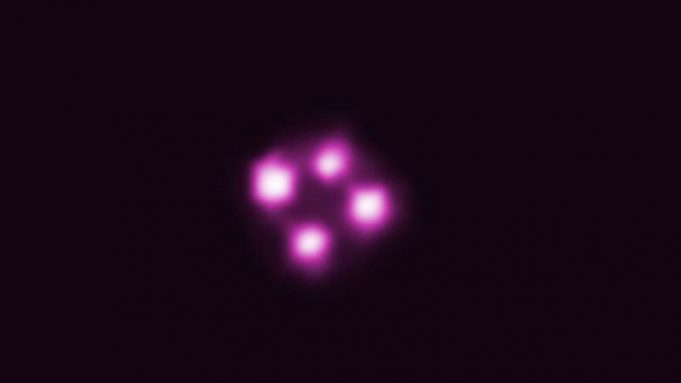
Like whirlpools in the ocean, spinning black holes in space create a swirling torrent around them. However, black holes do not create eddies of wind or water. Rather, they generate disks of gas and dust heated to hundreds of...
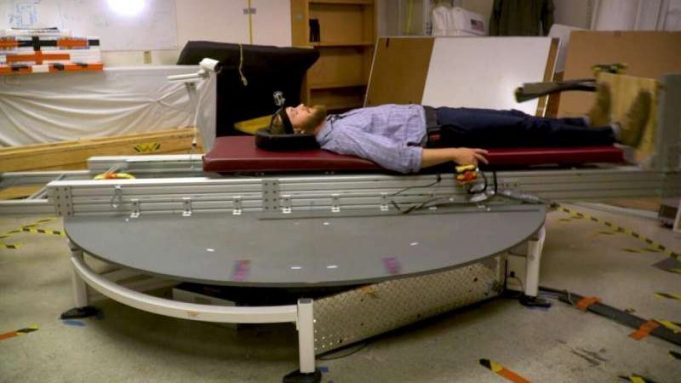
Artificial gravity has long been the stuff of science fiction. Picture the wheel-shaped ships from films like 2001: A Space Odyssey and The Martian, imaginary craft that generate their own gravity by spinning around in space.
Now, a team from...
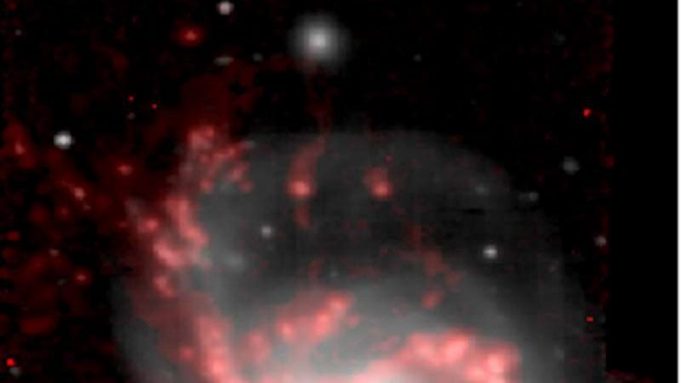
The role of an excited black hole in the death of an exotic 'jellyfish' galaxy will be presented today (3 July) by Callum Bellhouse of the University of Birmingham at the RAS National Astronomy Meeting in Lancaster. The supermassive black...


