



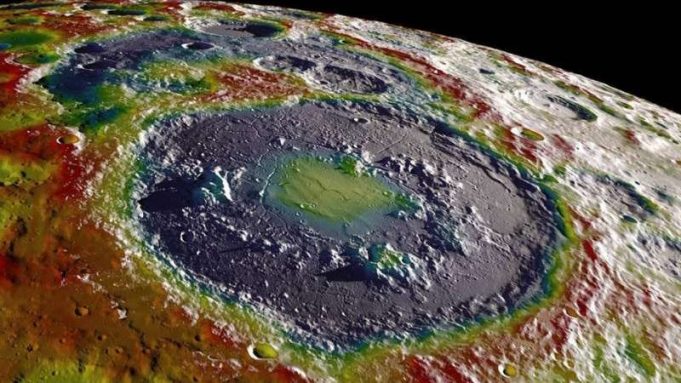
The Moon's south pole region is home to some of the most extreme environments in the solar system: it's unimaginably cold, massively cratered, and has areas that are either constantly bathed in sunlight or in darkness. This is precisely...
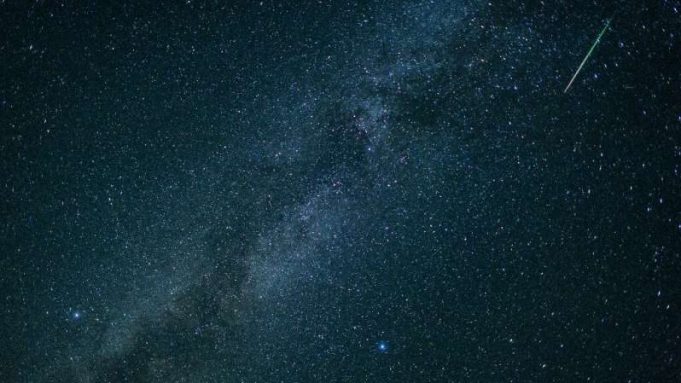
The Milky Way gobbled up a galaxy one quarter of its mass 10 billion years ago in a "violent collision" that didn't fully settle for eons, astronomers said in new research published Monday.
Previous studies had suggested that our home...
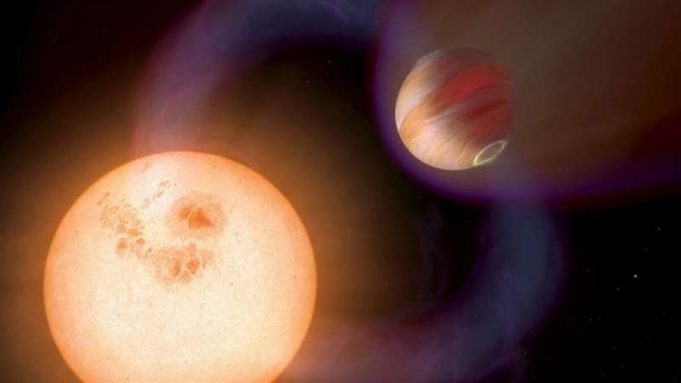
Gas-giant planets orbiting close to other stars have powerful magnetic fields, many times stronger than our own Jupiter, according to a new study by a team of astrophysicists. It is the first time the strength of these fields has...

An astronomer from the University of Hawaiʻi Institute for Astronomy (IfA) and an international team published a new study that reveals more of the vast cosmic structure surrounding our Milky Way galaxy.
The universe is a tapestry of galaxy congregations...
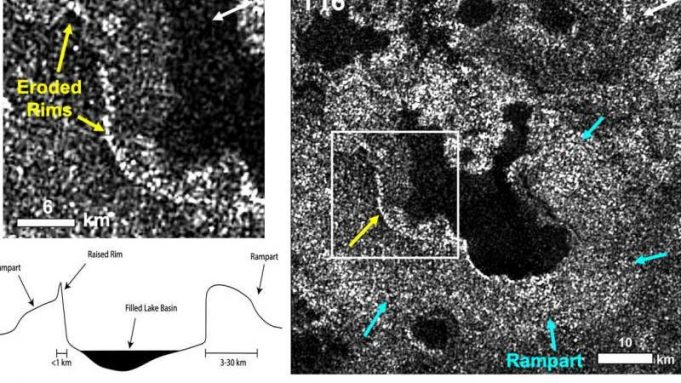
Using observations from the international Cassini spacecraft, scientists have explored the ring-like mounds that wrap around some of the pools found at the poles of Saturn's largest moon, Titan. The study reveals more about how these features formed.
The NASA/ESA/ASI...
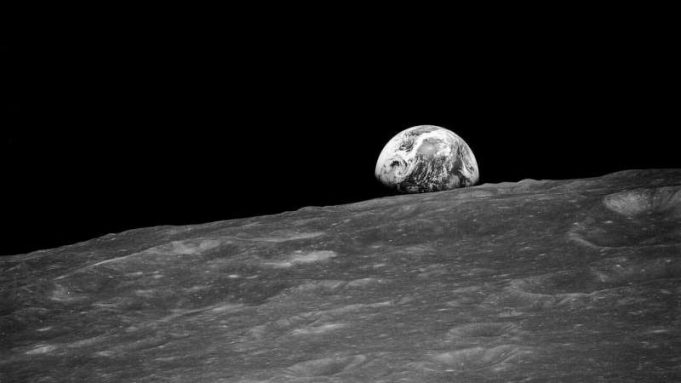
Fifty years ago, on July 20, 1969, the world watched as Neil Armstrong walked on the Moon. Since then, space agencies around the globe have sent rovers to Mars, probes to the furthest reaches of our galaxy and beyond,...

A team of collaborators from Carnegie and the University of Chicago used red giant stars that were observed by the Hubble Space Telescope to make an entirely new measurement of how fast the universe is expanding, throwing their hats...
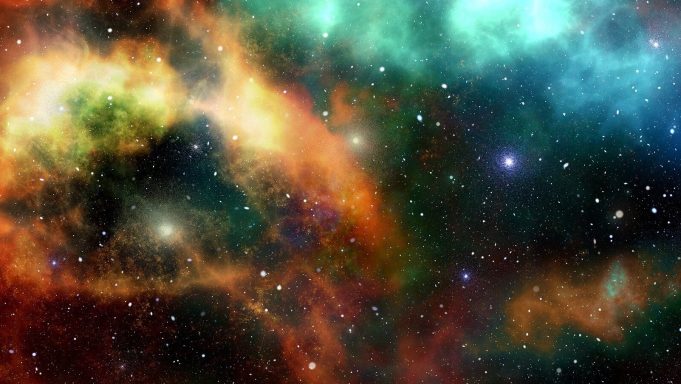
When NASA's Transiting Exoplanet Survey Satellite launched into space in April 2018, it did so with a specific goal: to search the universe for new planets.
But in recently published research, a team of astronomers at The Ohio State University...
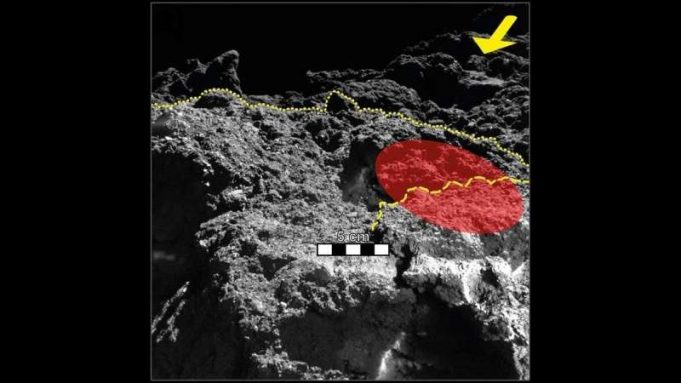
Ryugu and other asteroids of the common "C-class" consist of more porous material than was previously thought. Small fragments of their material are therefore too fragile to survive entry into the atmosphere in the event of a collision with...
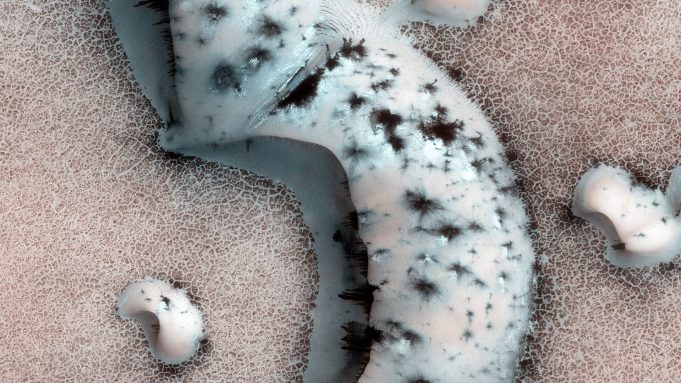
People have long dreamed of re-shaping the Martian climate to make it livable for humans. Carl Sagan was the first outside of the realm of science fiction to propose terraforming. In a 1971 paper, Sagan suggested that vaporizing the...
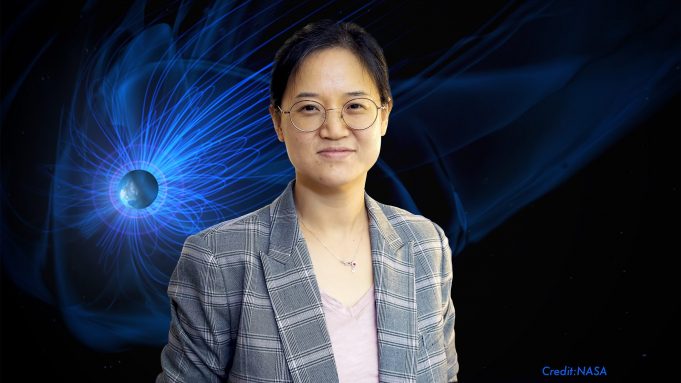
Vast rings of electrically charged particles encircle the Earth and other planets. Now, a team of scientists has completed research into waves that travel through this magnetic, electrically charged environment, known as the magnetosphere, deepening understanding of the region...


