



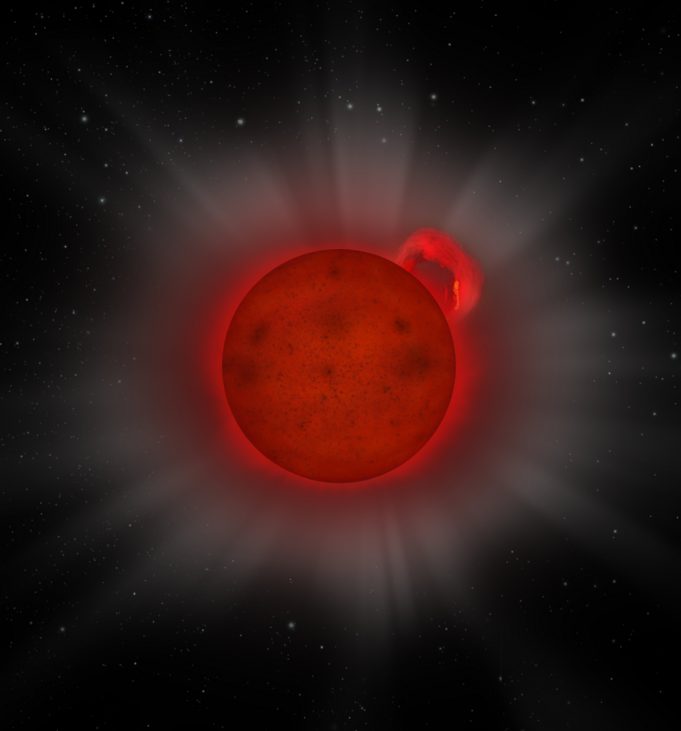
A star of about eight percent the Sun's mass has been caught emitting an enormous 'super flare' of X-rays—a dramatic high-energy eruption that poses a fundamental problem for astronomers, who did not think it possible on stars that small.
The...

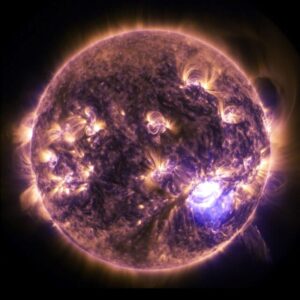
A new study led by the University of Hawai'i (UH) at Mānoa has helped refine understanding of the amount of hydrogen, helium and other elements present in violent outbursts from the Sun, and other types of solar "wind," a...
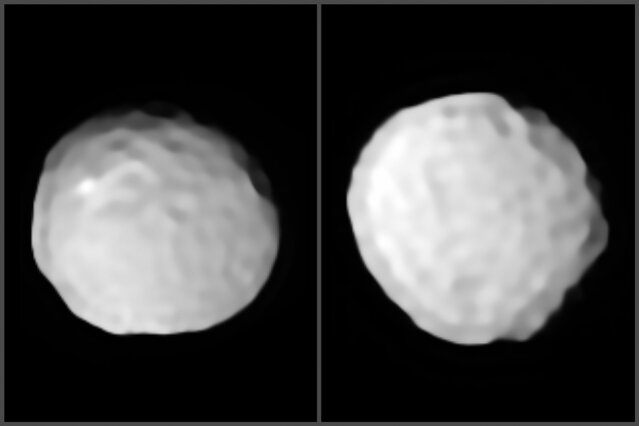
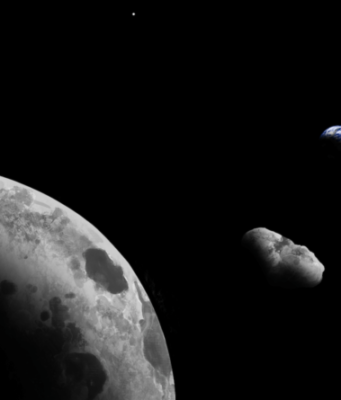
Asteroids come in all shapes and sizes, and now astronomers at MIT and elsewhere have observed an asteroid so heavily cratered that they are dubbing it the "golf ball asteroid."
The asteroid is named Pallas, after the Greek goddess of...
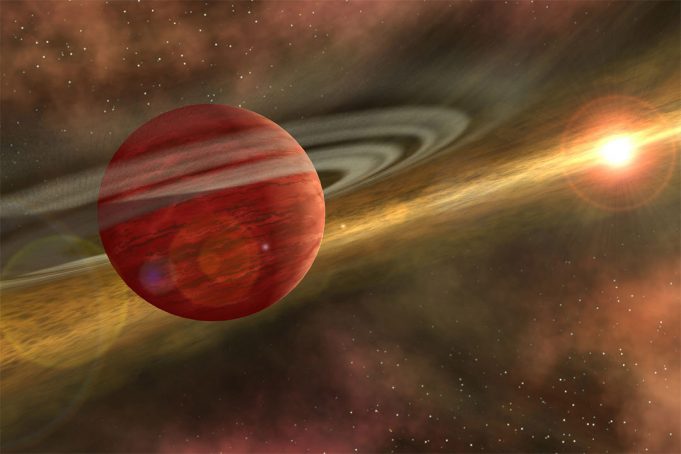
Scientists from Rochester Institute of Technology have discovered a newborn massive planet closer to Earth than any other of similarly young age found to date. The baby giant planet, called 2MASS 1155-7919 b, is located in the Epsilon Chamaeleontis...

Roughly 380,000 years after the Big Bang, about 13.7 billion years ago, matter (mostly hydrogen) cooled enough for neutral atoms to form, and light was able to traverse space freely. That light, the cosmic microwave background radiation (CMBR), comes...
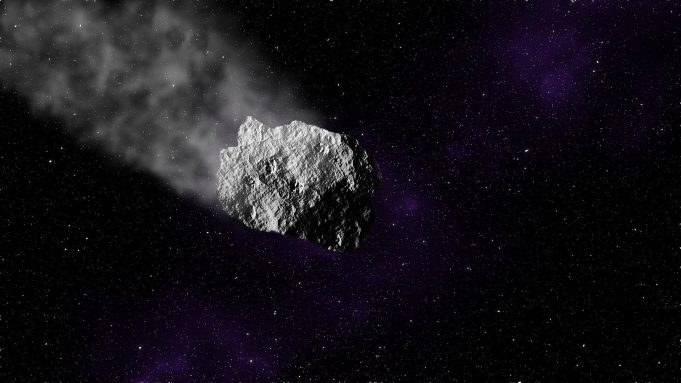
The majority of stars in the universe will become luminous enough to blast surrounding asteroids into successively smaller fragments using their light alone, according to a University of Warwick astronomer.
Electromagnetic radiation from stars at the end of their 'giant branch' phase—lasting...
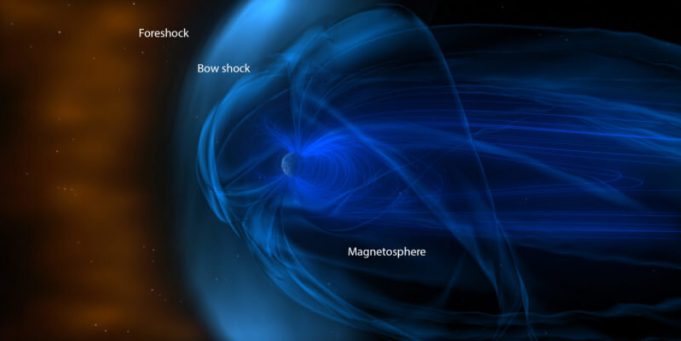
A 40-year-old enigma about ghostly magnetic fields in interplanetary space may have finally been solved by new data from a constellation of 12 satellites in near-Earth space.
New research in the AGU journal Geophysical Research Letters finds that fine dust from pulverized space rocks is...

Back in 1972, NASA sent their last team of astronauts to the Moon in the Apollo 17 mission. These astronauts brought some of the Moon back to Earth so scientists could continue to study lunar soil in their labs....
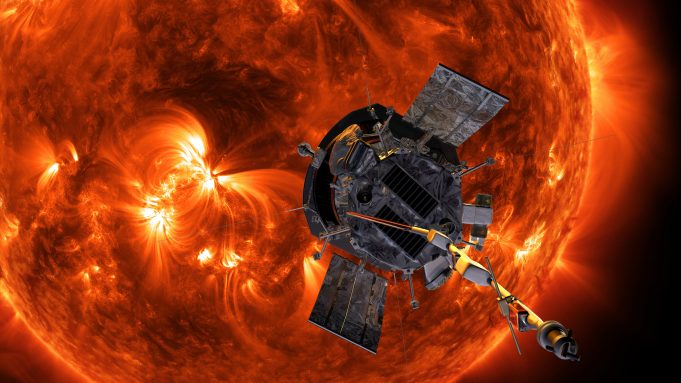
Using data from NASA's Parker Solar Probe (PSP), a team led by Southwest Research Institute identified low-energy particles lurking near the Sun that likely originated from solar wind interactions well beyond Earth orbit. PSP is venturing closer to the...
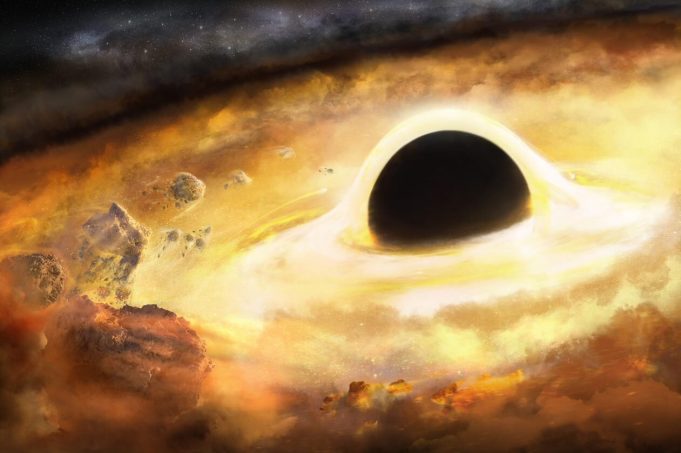
Astronomers regularly observe gravitational waves (GW)—ripples in space and time—that are caused by pairs of black holes merging into one. Einstein's theory of gravity predicts that GW, which squeeze and stretch space as they pass, will permanently distort space,...
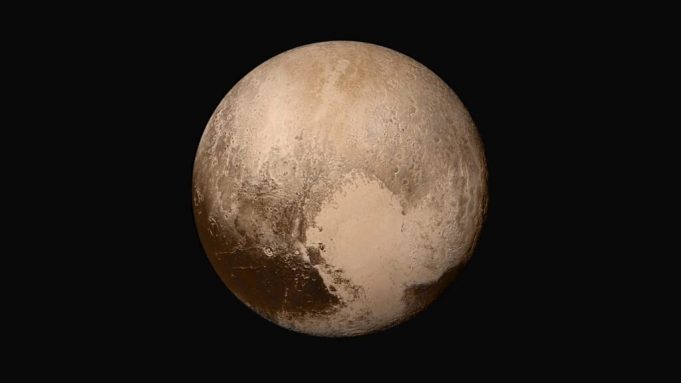
A "beating heart" of frozen nitrogen controls Pluto's winds and may give rise to features on its surface, according to a new study.
Pluto's famous heart-shaped structure, named Tombaugh Regio, quickly became famous after NASA's New Horizons mission captured footage...


