



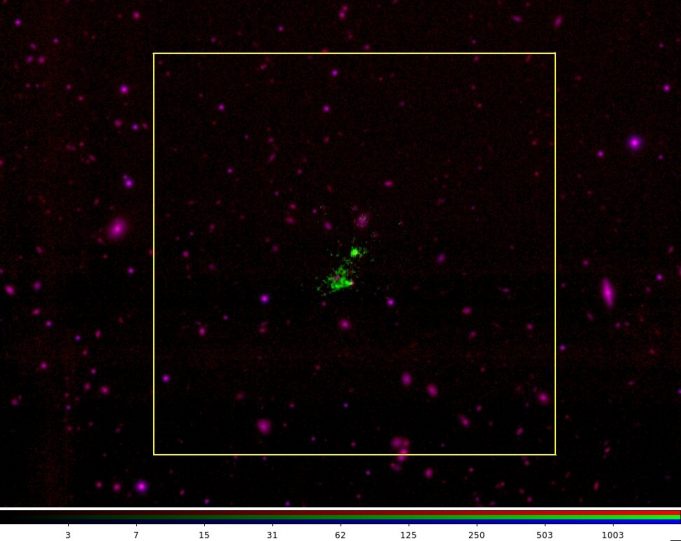
Billions of lightyears away, gigantic clouds of hydrogen gas produce a special kind of radiation, a type of ultraviolet light known as Lyman-alpha emissions. The enormous clouds emitting the light are Lyman-alpha blobs (LABs). LABs are several times larger...
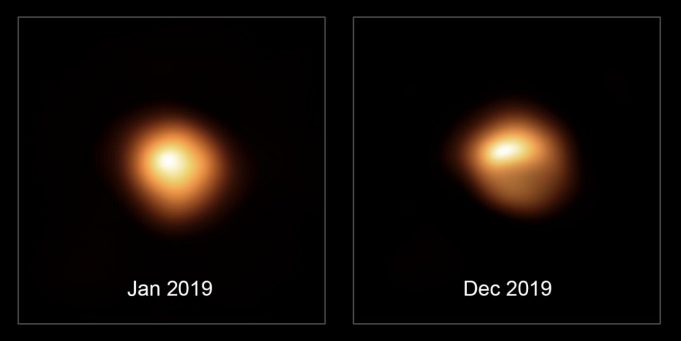
Late last year, news broke that the star Betelgeuse was fading significantly, ultimately dropping to around 40% of its usual brightness. The activity fueled popular speculation that the red supergiant would soon explode as a massive supernova.
But astronomers have...
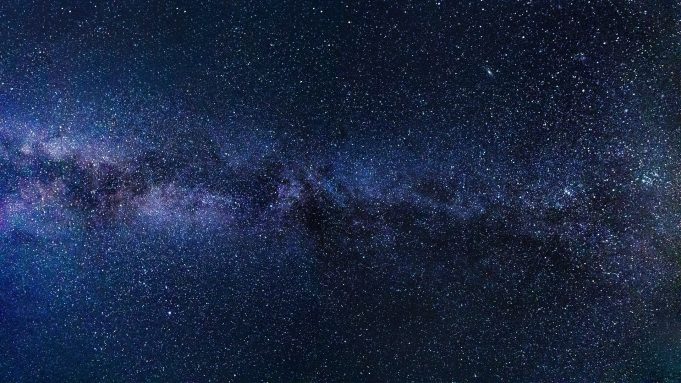
To help answer one of the great existential questions—how did life begin?—a new study combines biological and cosmological models. Professor Tomonori Totani from the Department of Astronomy looked at how life's building blocks could spontaneously form in the universe—a...
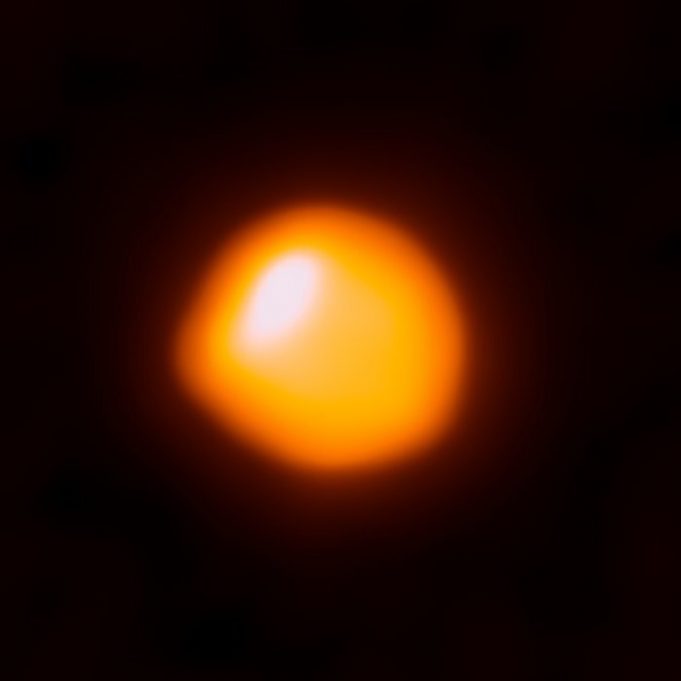
Betelgeuse has been the center of significant media attention lately. The red supergiant is nearing the end of its life, and when a star over 10 times the mass of the Sun dies, it goes out in spectacular fashion....
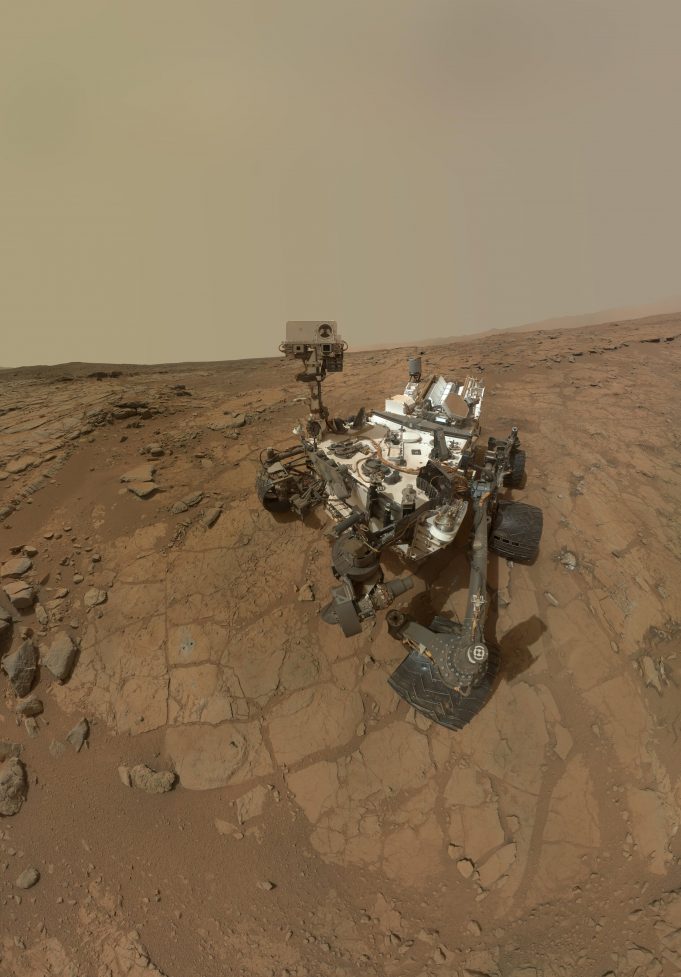
Organic compounds called thiophenes are found on Earth in coal, crude oil and oddly enough, in white truffles, the mushroom beloved by epicureans and wild pigs.
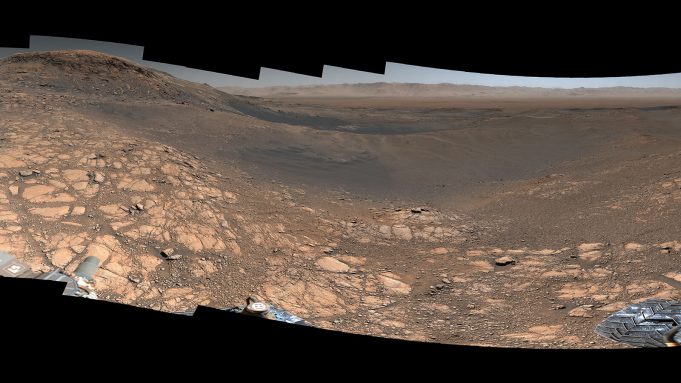
Thiophenes were also recently discovered on Mars, and Washington State University astrobiologist Dirk Schulze-Makuch...
Florida State University physicists believe they have an answer to unusual incidents of rare decay of a subatomic particle called a Kaon that were reported last year by scientists in the KOTO experiment at the Japan Proton Accelerator Research...
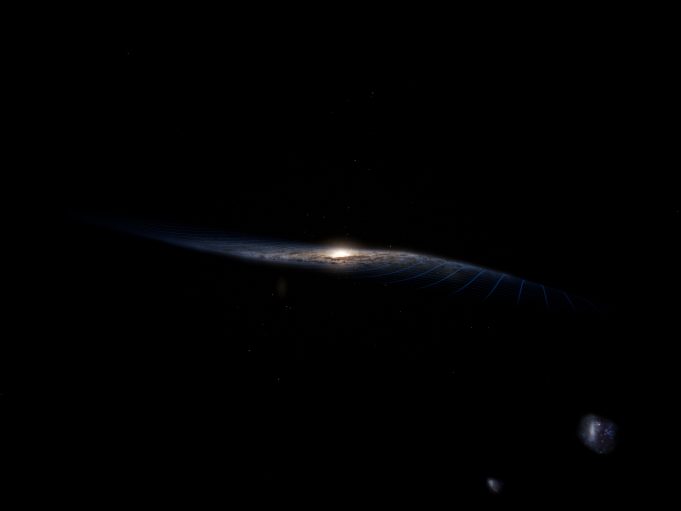
Astronomers have pondered for years why our galaxy, the Milky Way, is warped. Data from ESA's star-mapping satellite Gaia suggest the distortion might be caused by an ongoing collision with another, smaller, galaxy, which sends ripples through the galactic...
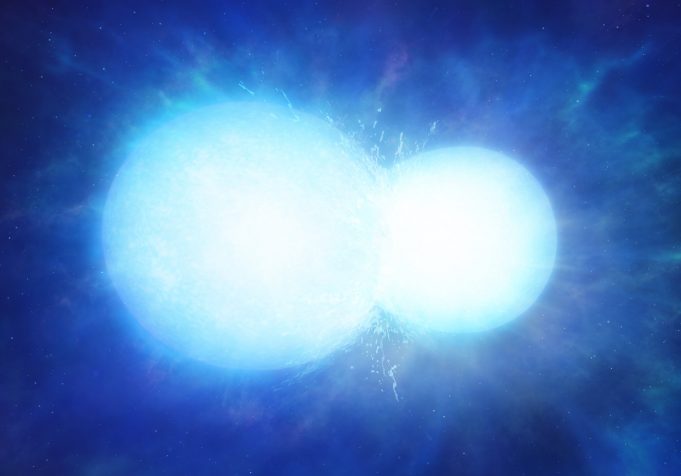
A massive white dwarf star with a bizarre carbon-rich atmosphere could be two white dwarfs merged together according to an international team led by University of Warwick astronomers, and only narrowly avoided destruction.
They have discovered an unusual ultra-massive white...

At only 1% the age of the sun, the DS Tuc binary system shows us how a planet might naturally develop before its orbit is disturbed by external forces.
A young planet located 150 light-years away has given UNSW Sydney astrophysicists a...
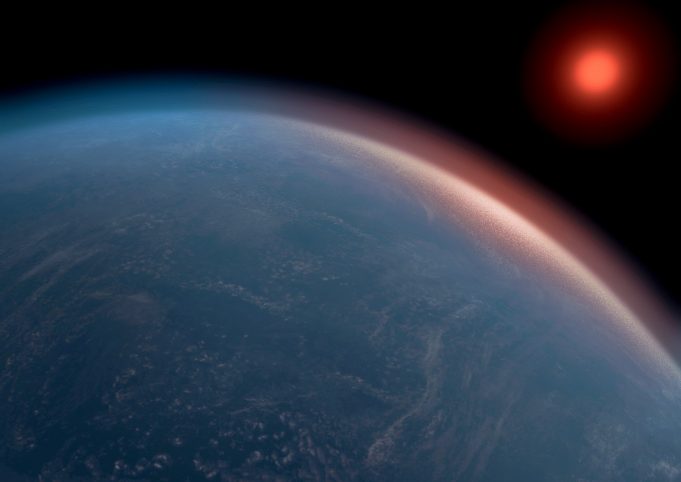
Astronomers have found an exoplanet more than twice the size of Earth to be potentially habitable, opening the search for life to planets significantly larger than Earth but smaller than Neptune.
A team from the University of Cambridge used the...
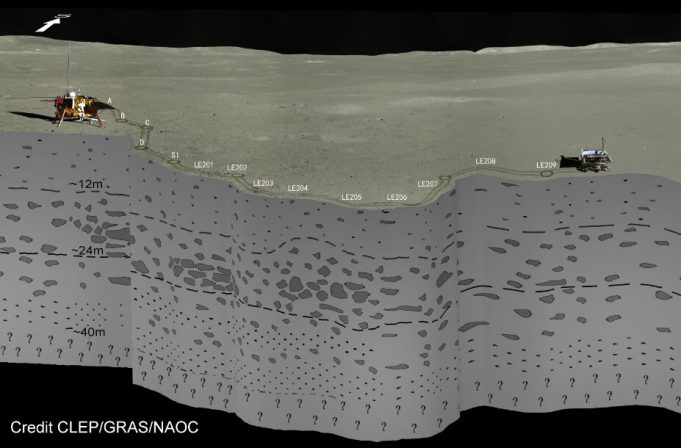
A little over a year after landing, China's spacecraft Chang'E-4 is continuing to unveil secrets from the far side of the Moon. The latest study, published on Feb. 26 in Science Advances, reveals what lurks below the surface.
Chang'E-4 (CE-4) landed...


