




Shoot a rifle, and the recoil might knock you backward. Merge two black holes in a binary system, and the loss of momentum gives a similar recoil—a "kick"—to the merged black hole.
"For some binaries, the kick can reach up...

An international team of researchers has found that neon inside a certain massive star can consume the electrons in the core, a process called electron capture, which causes the star to collapse into a neutron star and produce a...
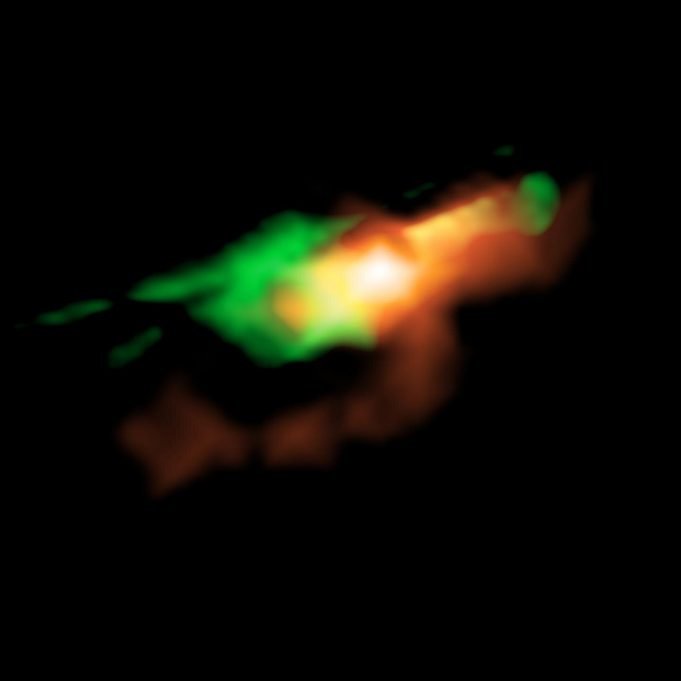
Astronomers obtained the first resolved image of disturbed gaseous clouds in a galaxy 11 billion light-years away by using the Atacama Large Millimeter/submillimeter Array (ALMA). The team found that the disruption is caused by young powerful jets ejected from...
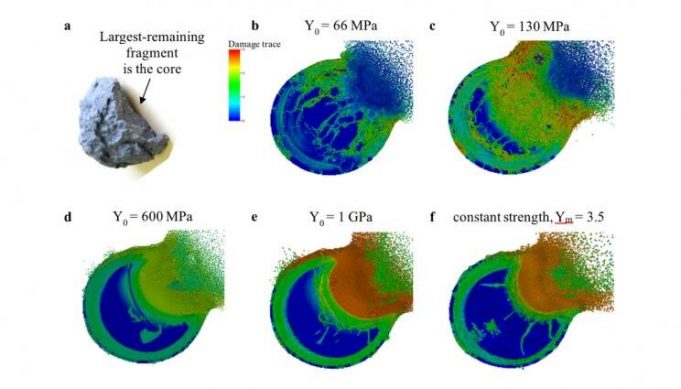
Planetary defense researchers at Lawrence Livermore National Laboratory (LLNL) continue to validate their ability to accurately simulate how they might deflect an Earth-bound asteroid in a study that will be published in the April issue of the American Geophysical...
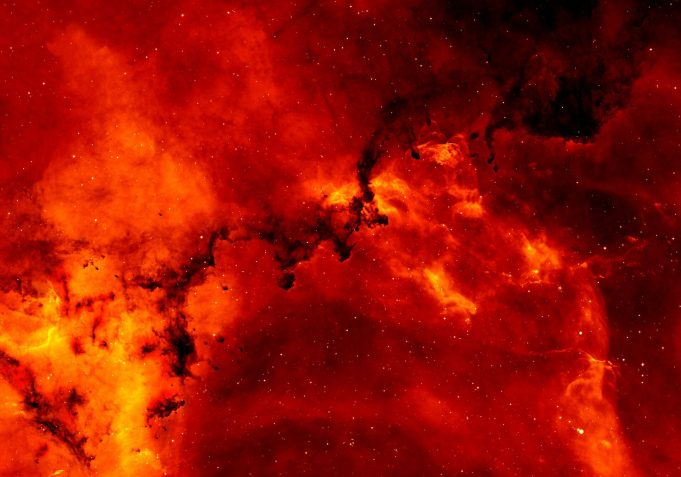
Almost 35 years ago, scientists made the then-radical proposal that colossal hydrogen bombs called novae go through a very long-term life cycle after erupting, fading to obscurity for hundreds of thousands of years and then building back up to...
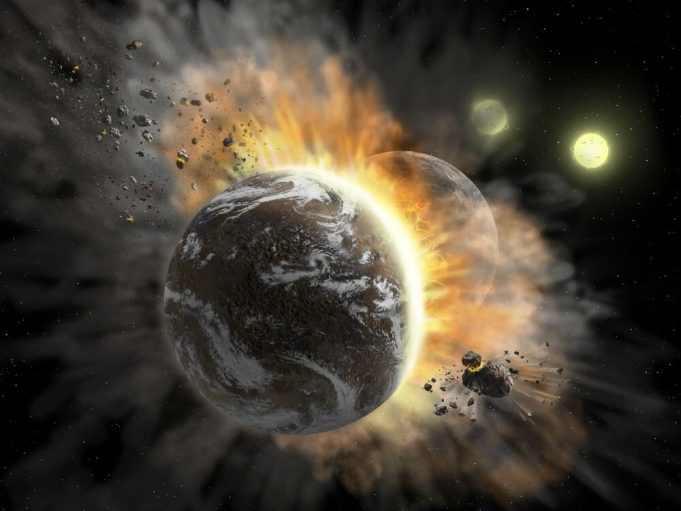
The hypothesis that the solar system originated from a gigantic cloud of gas and dust was first floated in the second half of the 18th century by German philosopher Immanuel Kant and further developed by French mathematician Pierre-Simon de...
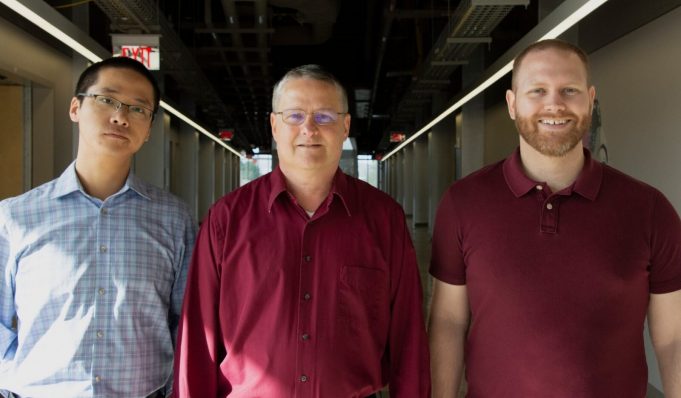
Using the unique capabilities of NASA's Hubble Space Telescope, a team of astronomers led by Virginia Tech's Nahum Arav has discovered the most energetic outflows ever witnessed in the universe.
The outflows emanate from quasars and tear across interstellar space similar to...
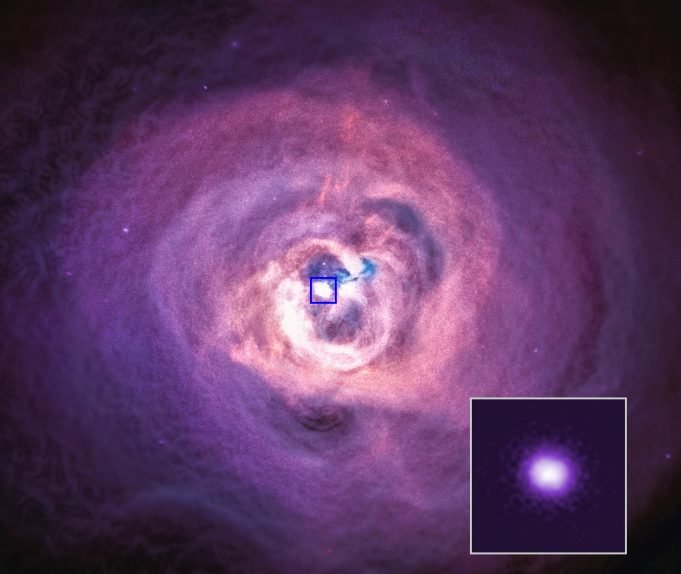
One of the biggest ideas in physics is the possibility that all known forces, particles, and interactions can be connected in one framework. String theory is arguably the best-known proposal for a "theory of everything" that would tie together...
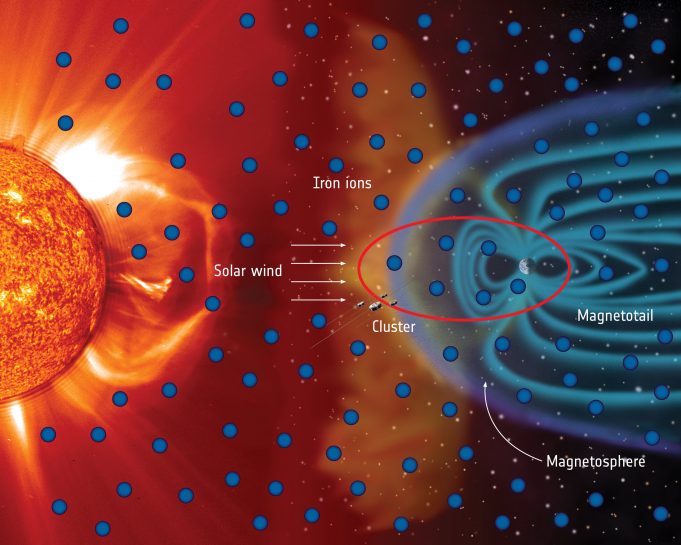
Using over 18 years of data from ESA's Cluster mission, scientists have mapped the heavy metals in the space surrounding Earth, finding an unexpected distribution and prevalence of iron and shedding light on the composition of our cosmic environment.
Space...
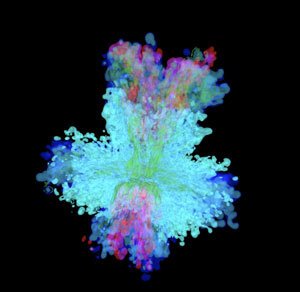
A supernova in a nearby galaxy may have originated from an explosion of a blue supergiant formed by the merger of two stars, simulations by RIKEN astrophysicists suggest. The asymmetric nature of this explosion may provide hints for where...
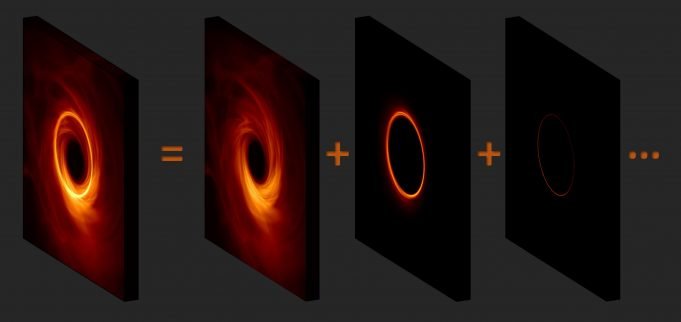
Last April, the Event Horizon Telescope (EHT) sparked international excitement when it unveiled the first image of a black hole. Today, a team of researchers have published new calculations that predict a striking and intricate substructure within black hole...


