




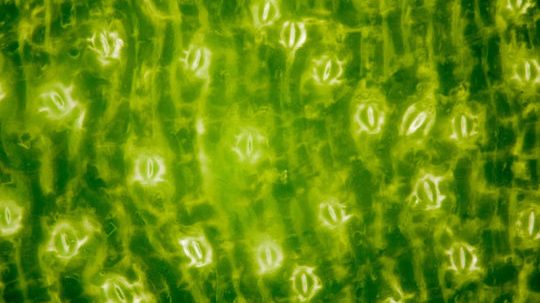
Scientists have discovered how plants create networks of air channels -- the lungs of the leaf -- to transport carbon dioxide (CO2) to their cells.
Botanists have known since the 19th century that leaves have pores -- called stomata --...

A team of researchers from Boston University, Roger Williams University, the New England Aquarium, Boston Children's Hospital and Harvard Medical School and UMass Boston, reports that one type of coral prefers to eat microplastics over natural food. In their...
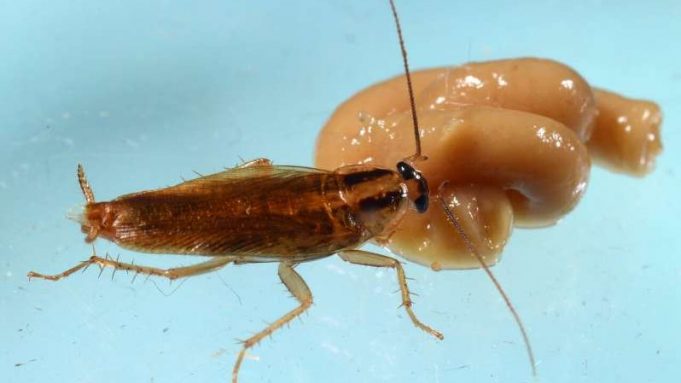
Cockroaches are serious threats to human health. They carry dozens of types of bacteria, such as E. coli and salmonella, that can sicken people. And the saliva, feces and body parts they leave behind may not only trigger allergies and asthma...

Researchers studying the behavior and neuroscience of octopuses have long suspected that the animals' arms may have minds of their own.
A new model being presented in Bellevue, Washington State, is the first attempt at a comprehensive representation of information...

Two papers publishing June 20 in the journal Cellshow that Egyptian fruit bats and mice, respectively, can "sync" brainwaves in social situations. The synchronization of neural activity in the brains of human conversation partners has been shown previously, as a...

A team of University of Copenhagen researchers has compiled the first and only evidence that narwhals and beluga whales can breed successfully. DNA and stable isotope analysis of an anomalous skull from the Natural History Museum of Denmark has...

New research publishing June 18 in the open-access journal, PLOS Biology, led by Dr Lucy Taylor from the University of Oxford's Department of Zoology now reveals that homing pigeons fit in one extra wingbeat per second when flying in pairs...
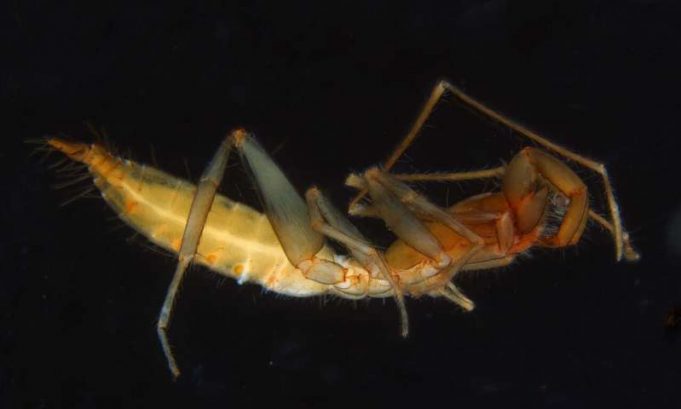
Researchers at The University of Western Australia and the Western Australian Museum have discovered 56 new species of arachnids, known as schizomids, in Western Australia's Pilbara region.
The research, published in Molecular Phylogenetics and Evolution, found all the new species, apart...
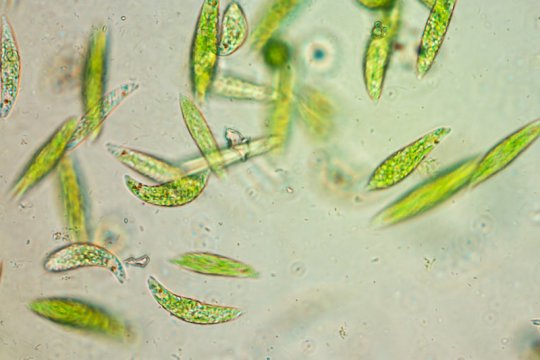
Scientists at The University of Queensland have upended biologists' century-old understanding of the evolutionary history of animals.
Using new technology to investigate how multi-celled animals developed, their findings revealed a surprising truth.
Professor Bernie Degnan said the results contradicted years of...
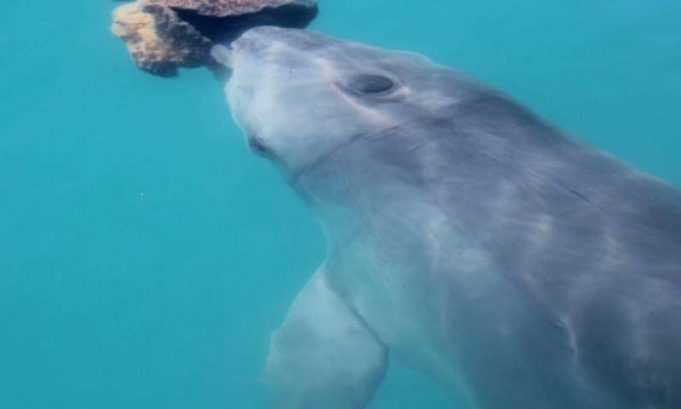
When it comes to making friends, it appears dolphins are just like us and form close friendships with other dolphins that have a common interest. The findings, published in the Proceedings of the Royal Society B by an international team of...
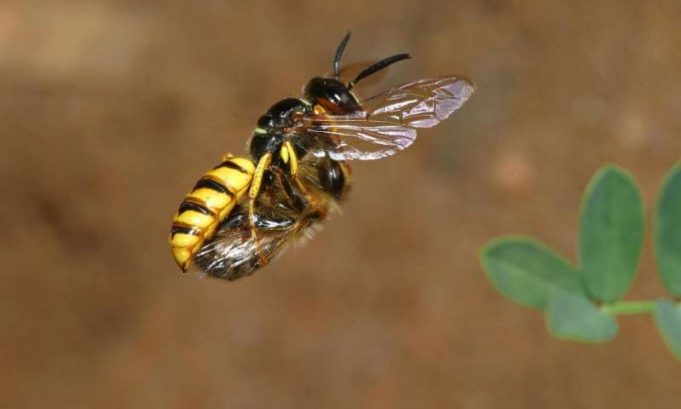
Scientists from the Universities of Regensburg and Mainz and the Max Planck Institute for Chemical Ecology discovered that the eggs of the European beewolf produce nitric oxide. The gas prevents the larvae's food from getting moldy in the warm...


