





Associate Professor Greg Neely and his team of pain researchers in the Charles Perkins Centre have found compelling evidence that insects feel persistent pain after injury.
Scientists have known insects experience something like pain since 2003, but new research published today from...

Goats can probably distinguish subtle emotional changes in the calls of other goats, according to a new study led by Queen Mary University of London.
The researchers measured behavioural and physiological changes in goats to determine if they can differentiate...

The global population is expected to reach 9.7 billion in 2050—but how will we feed all these people? Roughly one-third of the world's arable land suffers from lack of accessible iron, rendering it inhospitable to staple crops like maize...
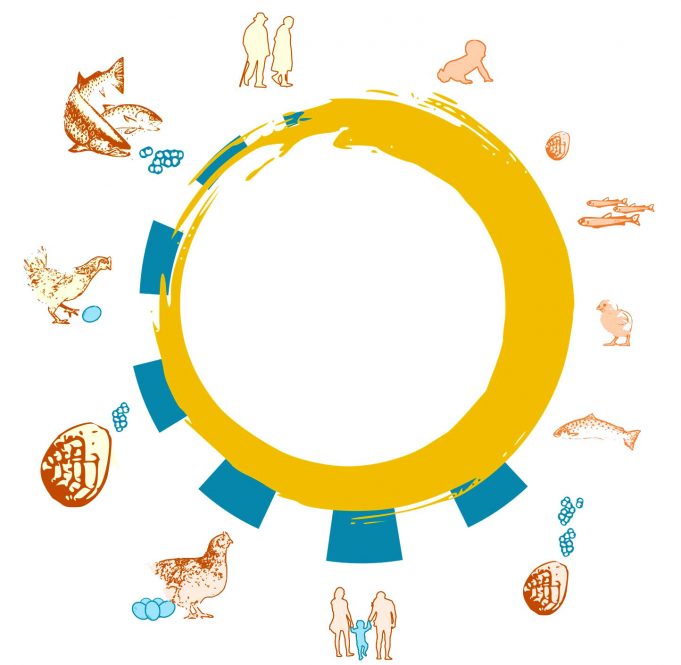
Scientists have pinpointed the "pace" and "shape" of life as the two key elements in animal life cycles that affect how different species get by in the world. Their findings, which come from a detailed assessment of 121 species...

Are our personalities and behaviors shaped more by our genes or our circumstances? While this age-old "nature vs. nurture" question continues to confound us and fuel debates, a growing body of evidence from research conducted over recent decades suggests...
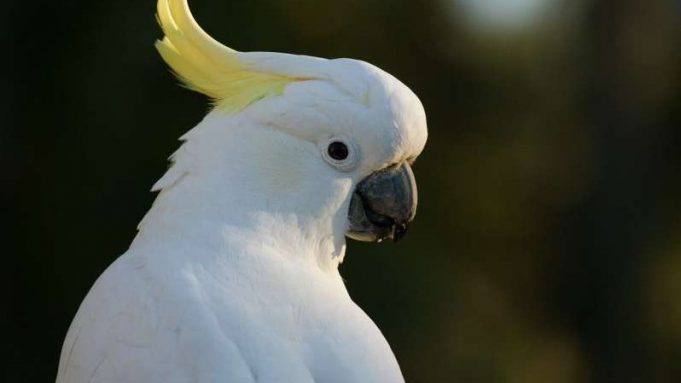
A sulphur-crested cockatoo named Snowball garnered YouTube fame and headlines a decade ago for his uncanny ability to dance to the beat of the Backstreet Boys. Now, researchers reporting in Current Biology on July 8 are back with new evidence that...

If a tree falls, and no one's there to hear it, does it feel pain and loneliness? No, experts argue in an opinion article publishing on July 3rd in the journal Trends in Plant Science. They draw this conclusion from...

ETH researchers have discovered Boletus edulis (porcini mushrooms) growing at an elevation of over 2,400 metres in the Lower Engadine—the highest altitude ever recorded for these popular edible mushrooms in the Alps. Moreover, the mushrooms have "hooked up" with a new...
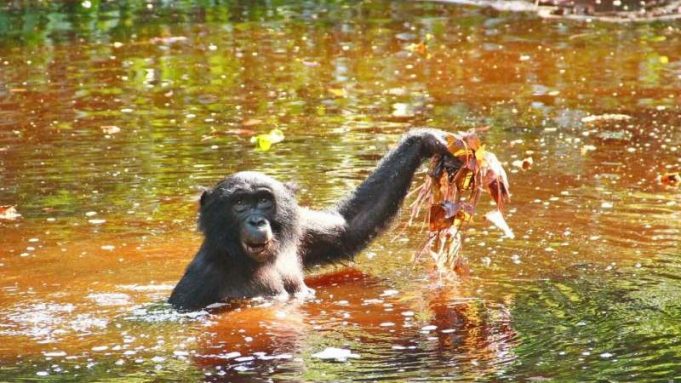
Observations of bonobos in the Congo basin foraging in swamps for aquatic herbs rich in iodine, a critical nutrient for brain development and higher cognitive abilities, may explain how the nutritional needs of prehistoric humans in the region were...
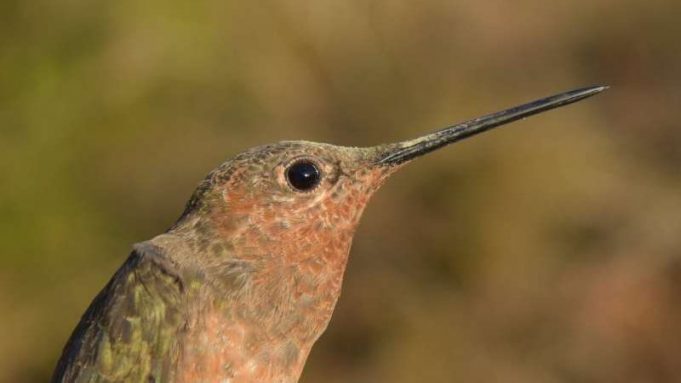
Scientists have found that multiple hummingbird species have adapted to life at high altitudes in the Andes through distinct genetic mutations that nonetheless affect the same biochemical pathways. This suggests that while the details of molecular adaptation may differ...
When an asteroid smacked into the Earth 66 million years ago, it triggered mass extinctions all over the planet. The most famous victims were the dinosaurs, but early birds, insects, and other life forms took a hit too. The...


