





Replenishing venom takes time and energy—so it pays to be stingy with stings.
According to researchers at the Australian National Institute of Tropical Health and Medicine, scorpions adapt their bodies, their behavior and even the composition of their venom, for efficient control of prey and...

New studies by two research teams published today in the journals Nature Ecology and Evolution and Current Biology challenge decades of accepted scientific opinion concerning the evolutionary relationships of tree sloths and their extinct kin. The research teams used different molecular tools—the protein...
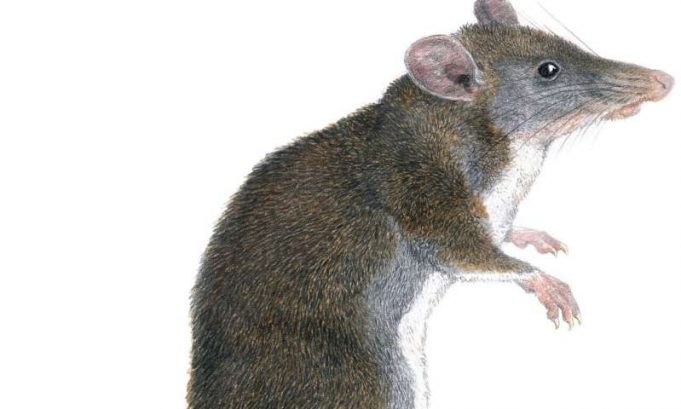
Just about everybody loves peanut butter. We put it on sandwiches and in candy, we use it to trick our dogs into taking their heartworm pills, and, when we have to, we bait mouse traps with it. But, as...

The levels of stress in dogs correlate with the stress of their owners, according to a new study from Linköping University, Sweden. The scientists believe that dogs mirror their owner's stress level, rather than vice versa. The study has...
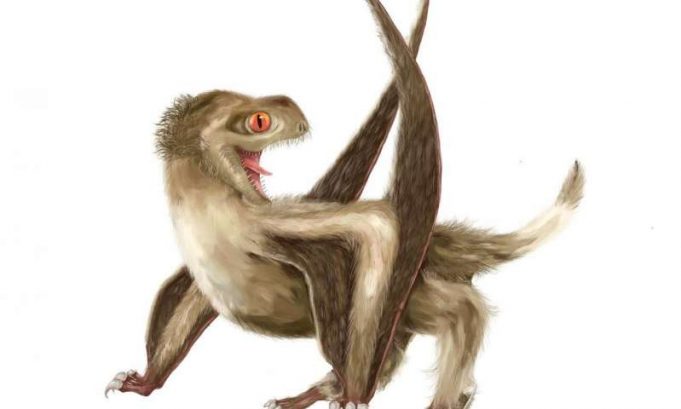
New research, led by the University of Bristol, suggests that feathers arose 100 million years before birds—changing how we look at dinosaurs, birds, and pterosaurs, the flying reptiles.
It also changes our understanding of feathers themselves, their functions and their...
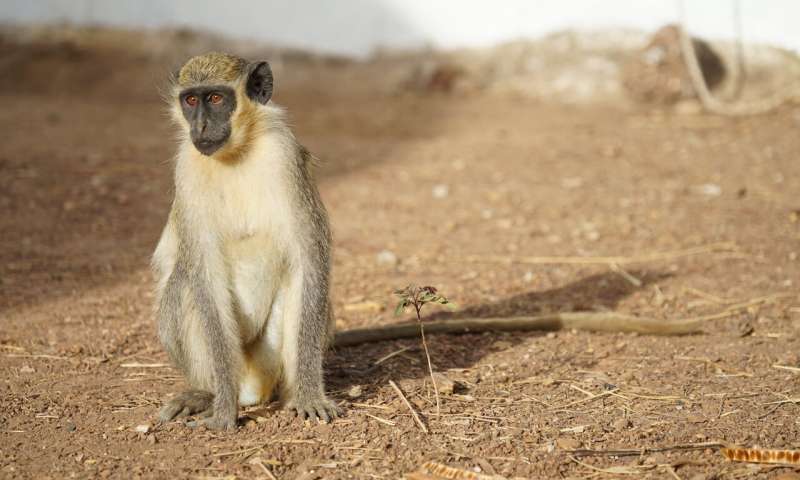
Green and vervet monkeys live on either side of Africa and their evolutionary paths diverged 3.5 million years ago, and yet the two species share a hard-wired vocabulary when faced with danger, clever experiments have shown.
The new research, published...
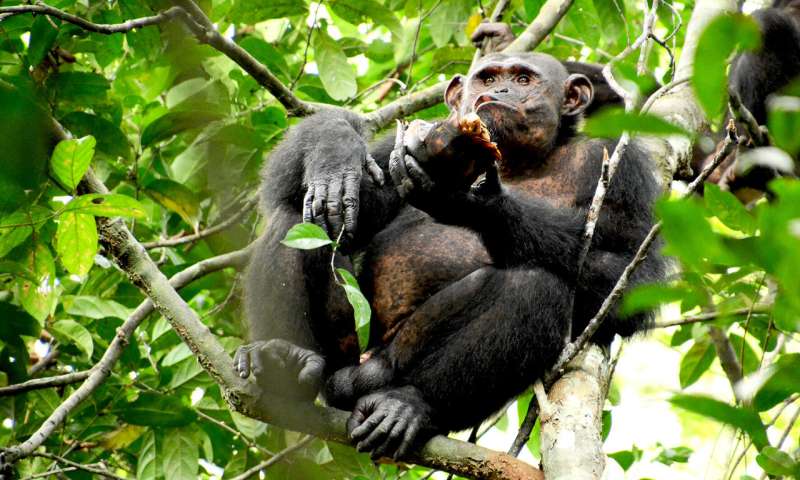
Scientists have observed wild chimpanzees tucking into an unusual snack: tortoises, whose hard shells they crack against tree trunks before scooping out the meat.
In a paper published Thursday by the journal Scientific Reports, researchers from Germany say the behavior they...
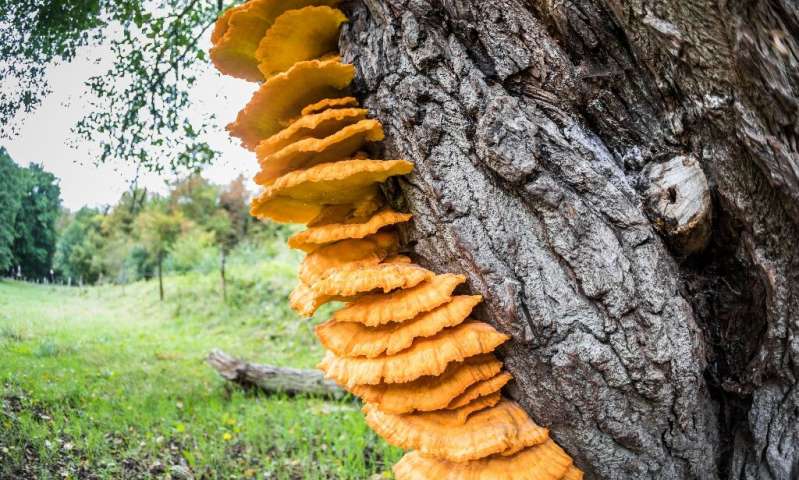
Scientists have unearthed fossilised fungi dating back up to one billion years, in a discovery that could reshape our understanding of how life on land evolved, research showed Wednesday.
For decades, the earliest known fungi—organisms such as mushrooms, mould and yeast—was thought...

The current return of wolves to human-dominated landscapes poses a major challenge for the protection of this species, says conservation biologist and private lecturer (PD) Dr. Marco Heurich from the University of Freiburg. He emphasizes that conflicts arise around...

Many social animals share child-rearing duties, but research publishing May 20 in the journal Current Biology finds that bonobo moms go the extra step and actually take action to ensure their sons will become fathers. From physically preventing other males from...
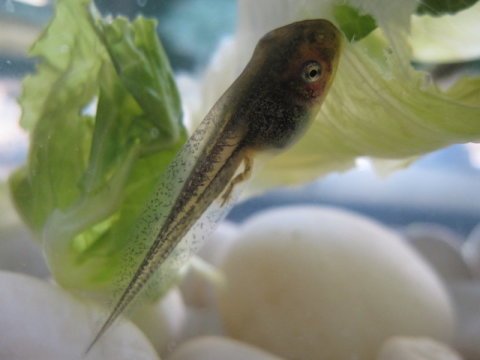
Researchers at the University of Cambridge have uncovered a specialised population of skin cells that coordinate tail regeneration in frogs. These 'Regeneration-Organizing Cells' help to explain one of the great mysteries of nature and may offer clues about how...


