




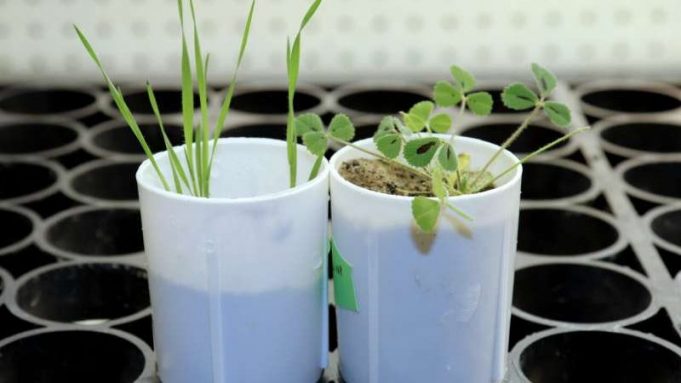
Over-fertilization of agricultural fields is a huge environmental problem. Excess phosphorus from fertilized cropland frequently finds its way into nearby rivers and lakes. A resulting boom of aquatic plant growth can cause oxygen levels in the water to plunge,...

The oldest parasite DNA ever recorded has been found in the ancient, desiccated faeces of a puma.
A team of Argentinian scientists from the National Council of Scientific and Technical Research (CONICET) made the discovery after studying a coprolite taken...

Experts have outlined "compelling evidence" that suggests banning trophy hunting can negatively affect conservation—arguing that unregulated killings are far more prevalent in non-hunting zones.
More than 130 international scientists—including two from the University of Stirling—say that certain species, such as...

Earth is teeming with strange life forms—crabs with 12-foot-long legs scuttling off the Japanese coast, mushrooms that glow at night in eastern North America, butterflies that drink the tears of Amazonian turtles.
Among all of the world's natural kingdoms, however,...
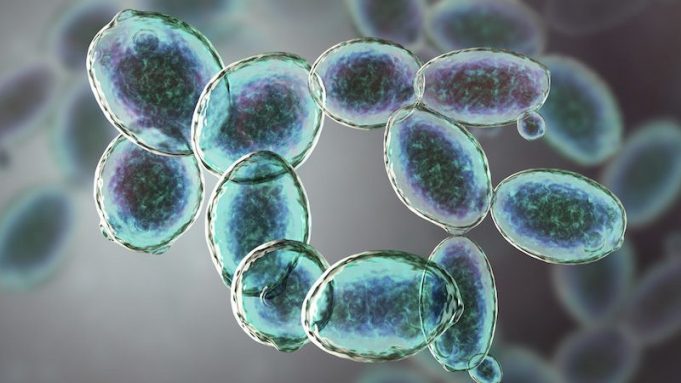
How do cells generate and use energy? This question might seem simple, but the answer is far from simple. Furthermore, knowing how microbial cell factories consume energy and how proteins are allocated to do so is crucial when working...
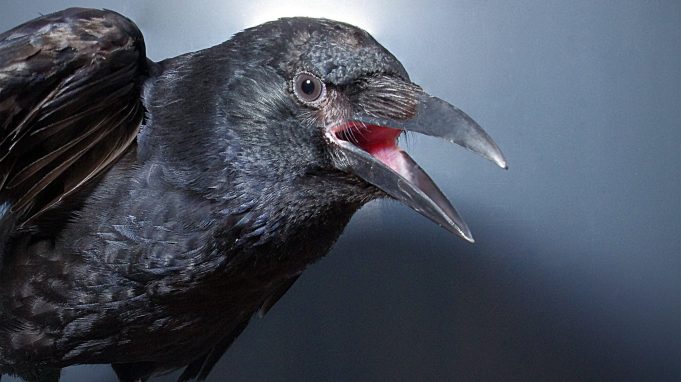
Crows can voluntarily control the release and onset of their calls, suggesting that songbird vocalizations are under cognitive control, according to a study published August 27 in the open-access journal PLOS Biology by Katharina Brecht of the University of Tübingen, and...
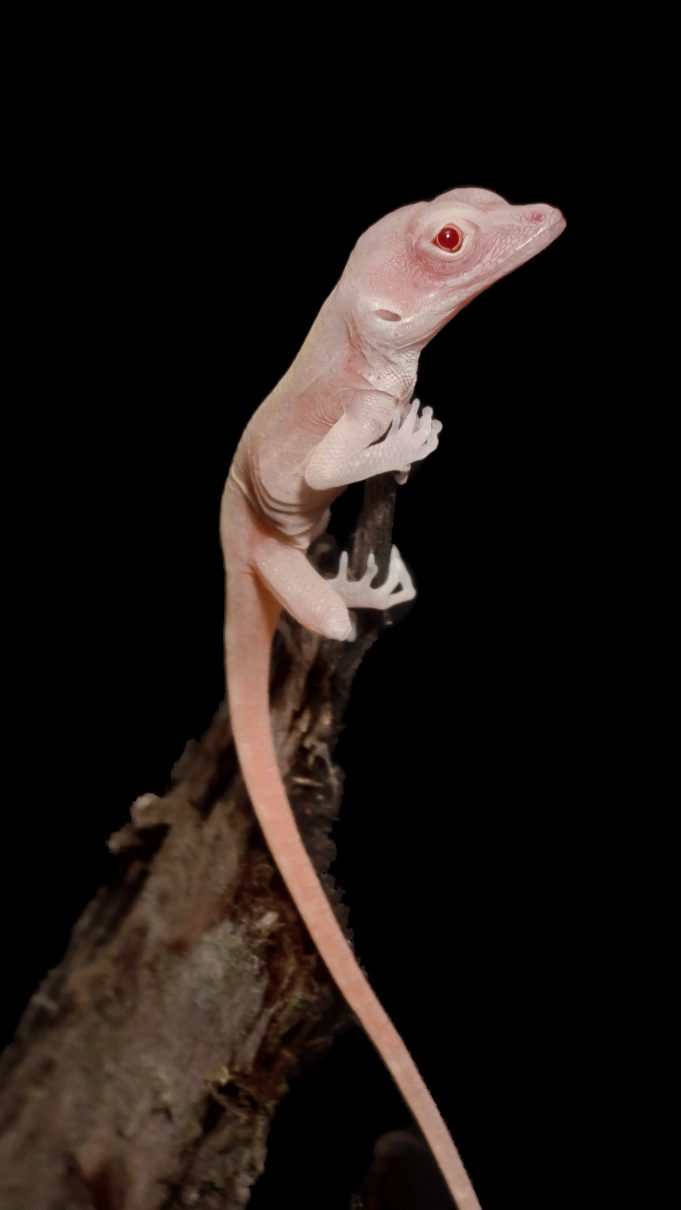
Meet the world's first gene-edited reptiles: albino lizards roughly the size of your index finger. Researchers used CRISPR-Cas9 to make the lizards, providing a technique for gene editing outside of major animal models. In their study, publishing August 27...
Saliva from a tick's bite can transmit pathogens that cause serious illnesses, such as Lyme disease, and significant agricultural losses. Current insecticides have drawbacks, so scientists have been seeking new ways to prevent these pesky arachnids from spreading pathogens....
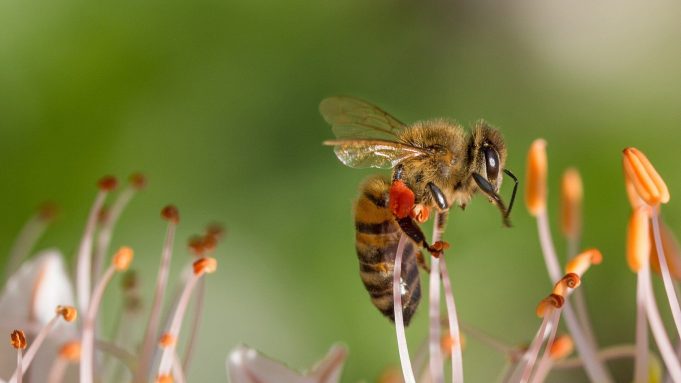
A natural, sustainable alternative to pesticides that targets specific pests, without harming beneficial pollinators such as honeybees, is being developed with the help of researchers from the Institute for Sustainable Food at the University of Sheffield.
Working in collaboration with...
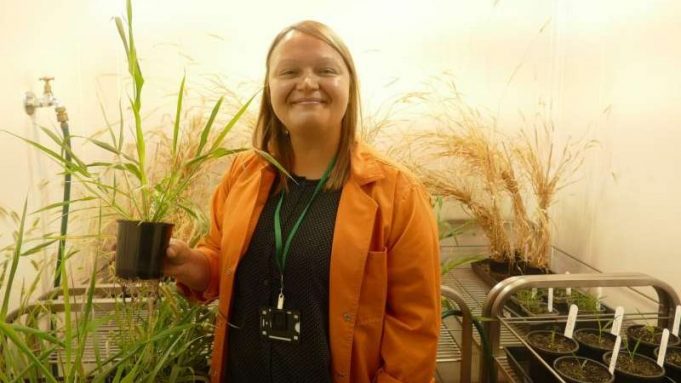
Scientists have found how to relieve a bottleneck in the process by which plants transform sunlight into food, which may lead to an increase in crop production. They discovered that producing more of a protein that controls the rate...
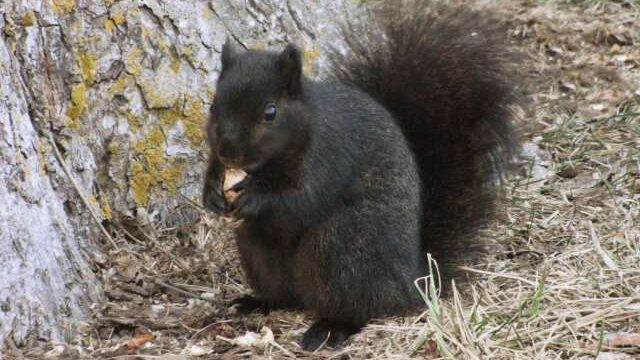
Research published in the journal BMC Evolutionary Biology has shed new light on why some grey squirrels are black.
The study was led by Dr. Helen McRobie of Anglia Ruskin University (ARU), who has previously mapped the spread of black squirrels across...


