


When faced with a predator or sudden danger, the heart rate goes up, breathing becomes more rapid, and fuel in the form of glucose is pumped throughout the body to prepare an animal to fight or flee.
These physiological changes,...
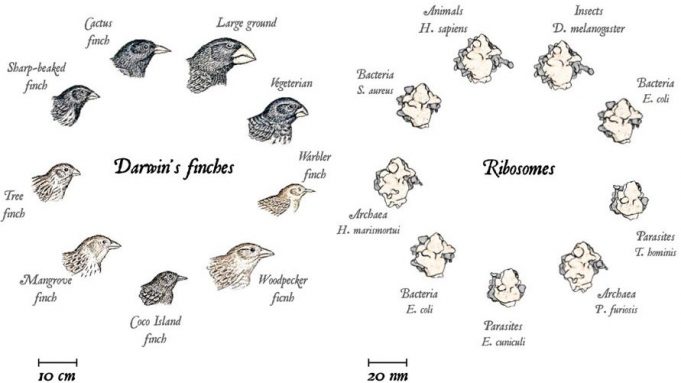
A new study by Yale scientists provides a key insight into a milestone event in the early evolution of life on Earth—the origin of the cell nucleus and complex cells called eukaryotes.
While simple prokaryotic bacteria formed within the first...
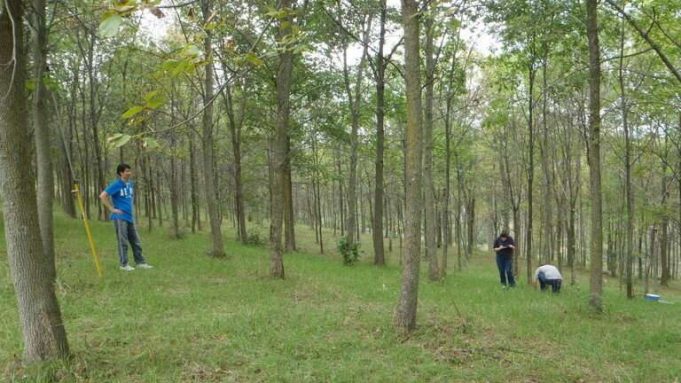
"Lingering ash." That's what the U.S. Forest Service calls the relatively few green and white ash trees that survive the emerald ash borer onslaught. Those trees do not survive by accident, and that may save the species, according to...
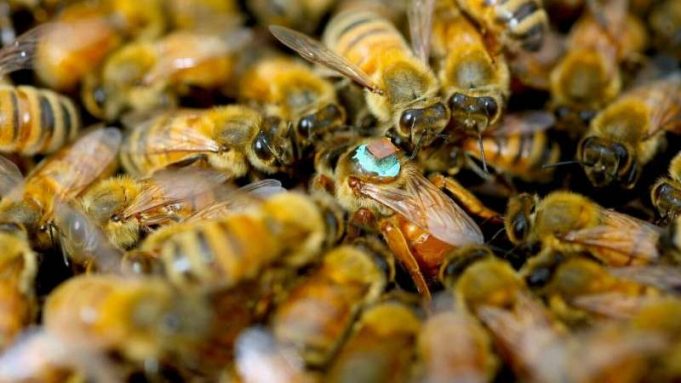
They say love is blind, but if you're a queen honeybee it could mean true loss of sight.
New research finds male honeybees inject toxins during sex that cause temporary blindness. All sexual activity occurs during a brief early period in a...
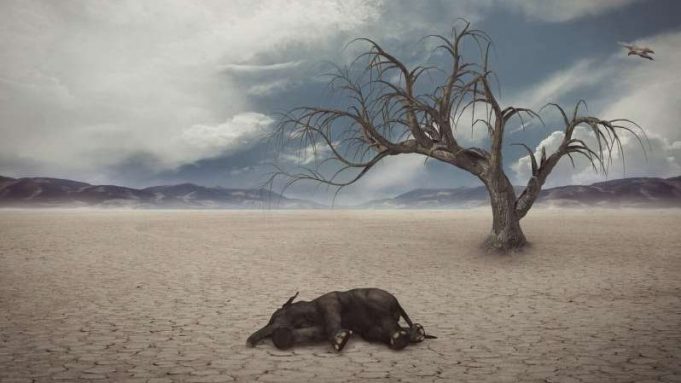
A team of scientists has concluded that earth experienced a previously underestimated severe mass-extinction event, which occurred about 260 million years ago, raising the total of major mass extinctions in the geologic record to six.
"It is crucial that we...

Dog brain structure varies across breeds and is correlated with specific behaviors, according to new research published in JNeurosci. These findings show how, by selectively breeding for certain behaviors, humans have shaped the brains of their best friends.
Over several hundred...
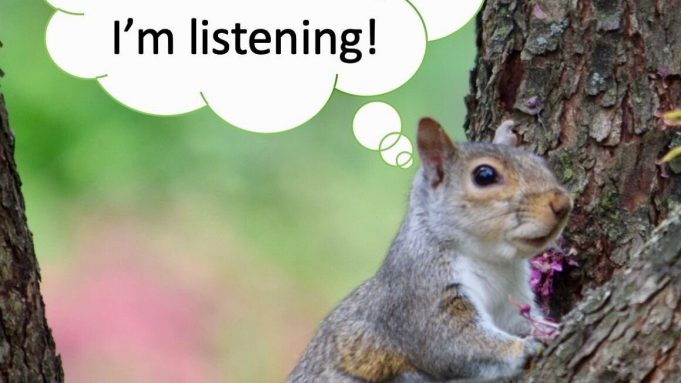
when they feel safe to communicate the absence of danger or share their location. This "chatter" from multiple bird species could therefore be a useful cue to other creatures that there is no imminent threat.
To test this hypothesis, the...
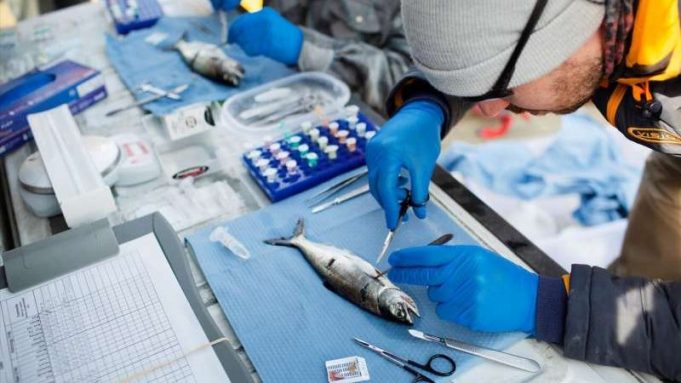
Three new viruses—including one from a group of viruses never before shown to infect fish—have been discovered in endangered Chinook and sockeye salmon populations.
While the impact of the viruses on salmon health isn't yet known, all three are related...
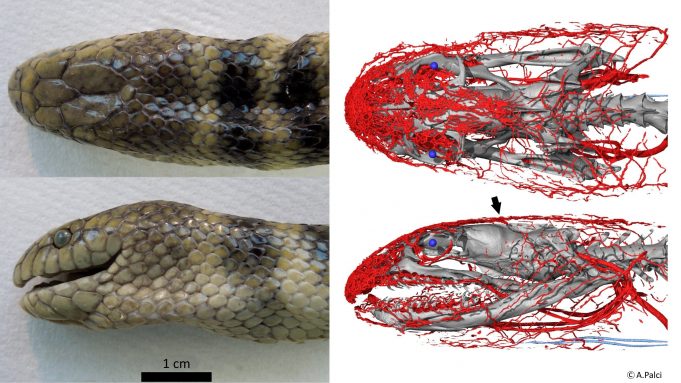
Humans use a snorkel and fish have gills. Now researchers have found a sea snake which uses a complex system of blood vessels in its head to draw in extra oxygen when it dives and swims underwater.
During submersion, the...
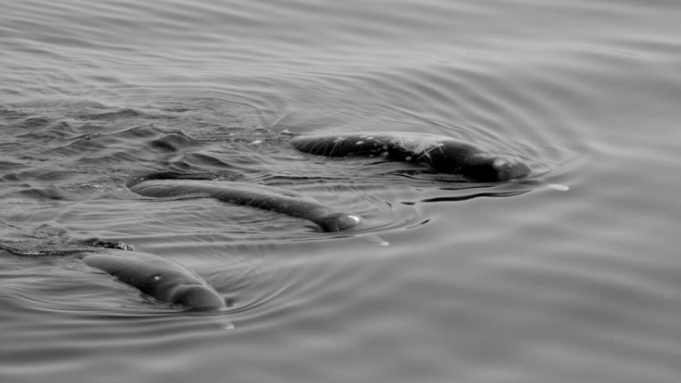
In a collaboration between the National Museum of Nature and Science, Hokkaido University, Iwate University, and the United States National Museum of Natural History, a beaked whale species which has long been called Kurotsuchikujira (black Baird's beaked whale) by...

Big brains can help an animal mount quick, flexible behavioral responses to frequent or unexpected environmental changes. But some birds just don't need 'em.
A global study comparing 2,062 birds finds that, in highly variable environments, birds tend to have...


