

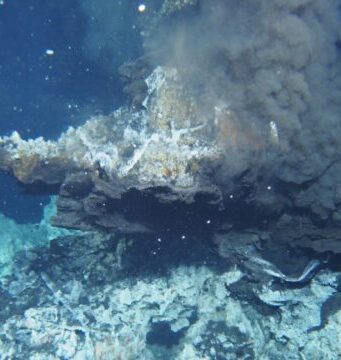


In the depths of the sea, certain shark species transform the ocean's blue light into a bright green color that only other sharks can see -- but how they biofluoresce has previously been unclear. In a study publishing August...
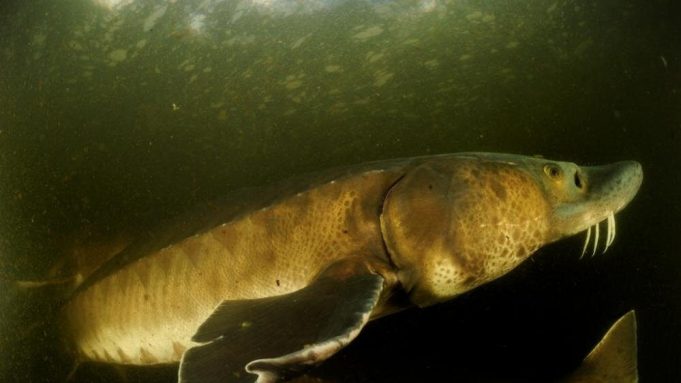
Rivers and lakes cover just about one percent of Earth's surface, but are home to one third of all vertebrate species worldwide. At the same time, freshwater life is highly threatened. Scientists from the Leibniz-Institute of Freshwater Ecology and...
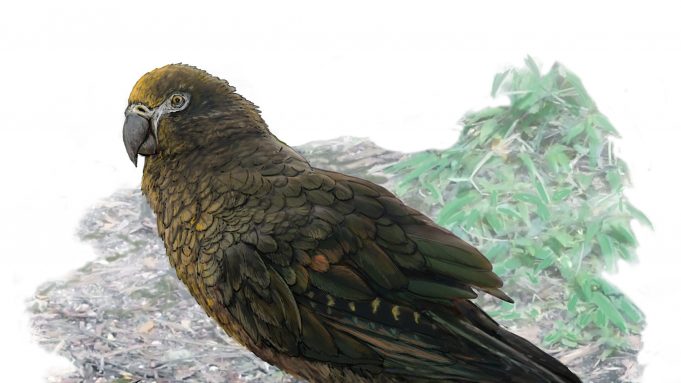
Australasian palaeontologists have discovered the world's largest parrot, standing up to 1m tall with a massive beak able to crack most food sources.
The new bird has been named Heracles inexpectatus to reflect its Herculean myth-like size and strength—and the...

We now know the DNA of guacamole.
Scientists have sequenced the avocado genome, shedding light on the ancient origins of this buttery fruit and laying the groundwork for future improvements to farming.
With regard to modern affairs, the study reveals for...

Half of New Zealand's birds have gone extinct since humans arrived on the islands. Many more are threatened. Now, researchers reporting in the journal Current Biology on August 5 estimate that it would take approximately 50 million years to recover the...

Wolves are charismatic, conspicuous, and easy to single out as the top predator affecting populations of elk, deer, and other prey animals. However, a new study has found that the secretive cougar is actually the main predator influencing the...
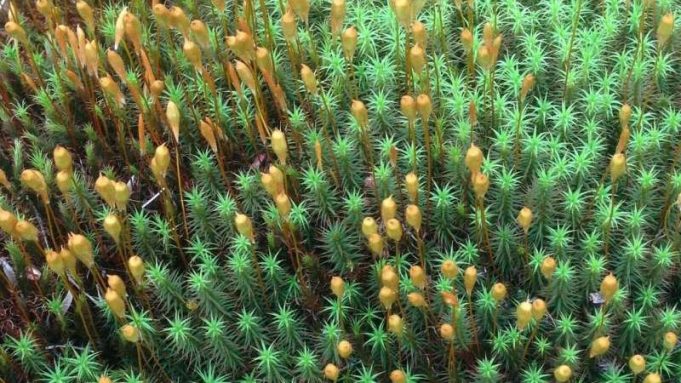
The genes that first enabled plants to grow shoots and conquer the land have been identified by University of Bristol researchers. The findings, published in Current Biology, explain how a 450-million years ago a switch enabled plants to delay reproduction...
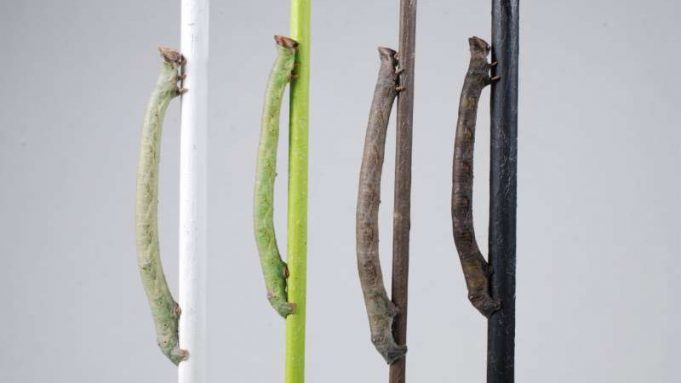
It is difficult to distinguish caterpillars of the peppered moth from a twig. The caterpillars not only mimic the form but also the color of a twig. In a new study, researchers of Liverpool University in the UK and...

A team of Peruvian and American scientists have uncovered the 18-million-year-old remains of the smallest fossil monkey ever found.
A fossilized tooth found in Peru's Amazon jungle has been identified as belonging to a new species of tiny monkey no...
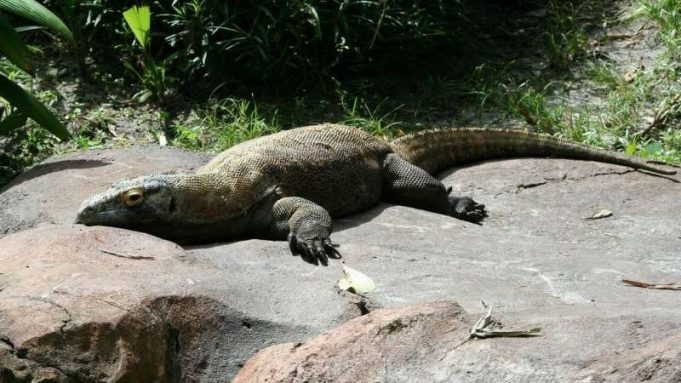
The Komodo dragons are the largest lizards in the world. These predators weighing up to 200 pounds can detect their prey from up to 7.5 miles away. And although they are cold-blooded, they can ramp up their metabolism to...

One of the last remaining megaherbivores, forest elephants shape their environment by serving as seed dispersers and forest bulldozers as they eat over a hundred species of fruit, trample bushes, knock over trees and create trails and clearings. Their...


