





Once dismissed as 'junk DNA' that served no purpose, a family of 'jumping genes' found in tomatoes has the potential to accelerate crop breeding for traits such as improved drought resistance.
Researchers from the University of Cambridge's Sainsbury Laboratory (SLCU)...
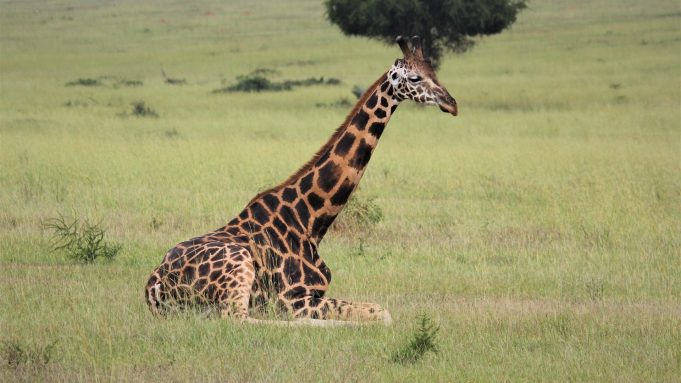
Darker male giraffes have been found to be more solitary and less social than their lighter-colored counterparts, according to new research from The University of Queensland.
A long-term study revealed that the color of male giraffes' spots more strongly relates...
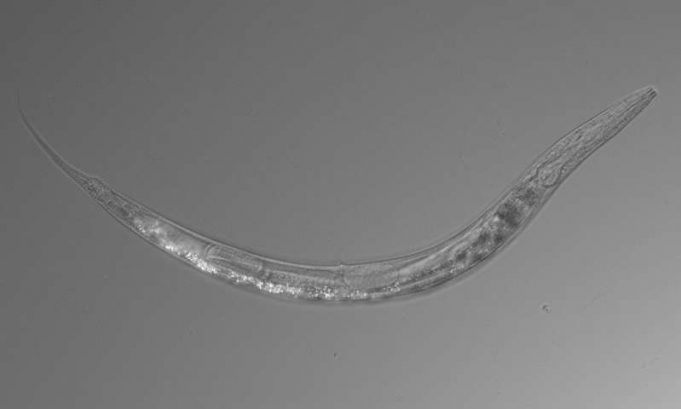
Caltech scientists have discovered a new species of worm thriving in the extreme environment of Mono Lake. This new species, temporarily dubbed Auanema sp., has three different sexes, can survive 500 times the lethal human dose of arsenic, and...

It's billed as a health booster and healing agent, but it may be the source of cognitive defects and other severe ailments. A new Stanford-led study reveals that turmeric—a commonly used spice throughout South Asia—is sometimes adulterated with a...

The Tasmanian tiger, or thylacine, was one of Australia's most enigmatic native species.
It was the largest marsupial predator to survive until the arrival of Europeans but carried its babies in a pouch like a kangaroo or koala.
Tragically, the last...
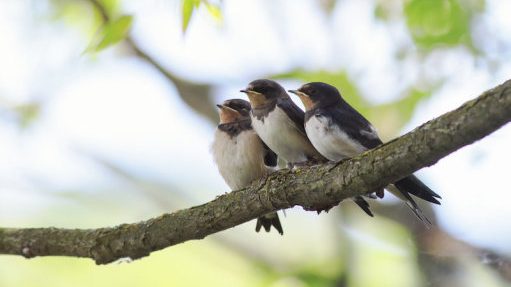
A study published today in the journal Science reveals that since 1970, bird populations in the United States and Canada have declined by 29 percent, or almost 3 billion birds, signaling a widespread ecological crisis. The results show tremendous losses across...

Inspired by octopuses, researchers have developed a structure that senses, computes and responds without any centralized processing -- creating a device that is not quite a robot and not quite a computer, but has characteristics of both. The new...
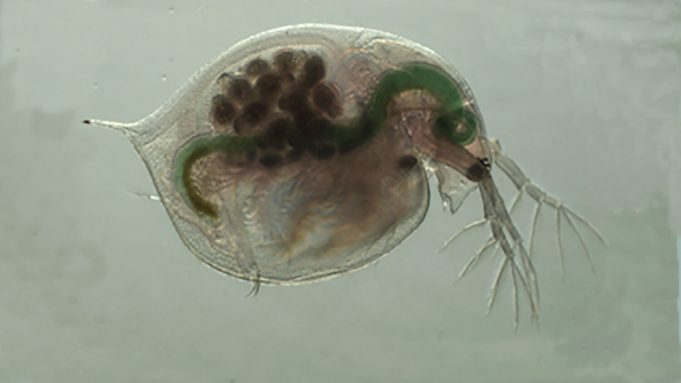
Researchers from North Carolina State University have shown that the E75 protein is a key regulator of some biological rhythms through interactions with nitric oxide. Suppression of E75 results in longer molt cycles and reduced numbers of offspring in...
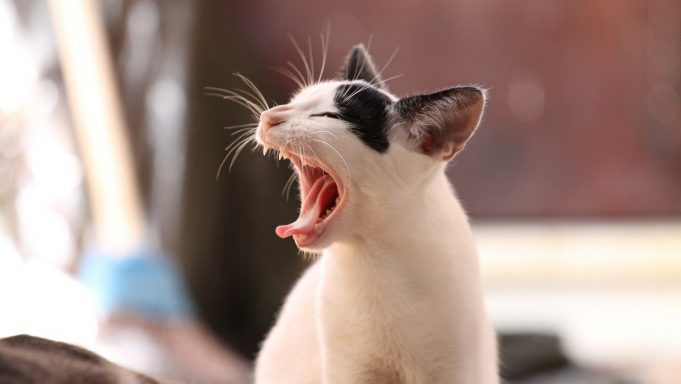
Domestic cats, like many other mammals, use smelly secretions from anal sacs to mark territory and communicate with other animals. A new study from the Genome Center at the University of California, Davis shows that many odiferous compounds from...
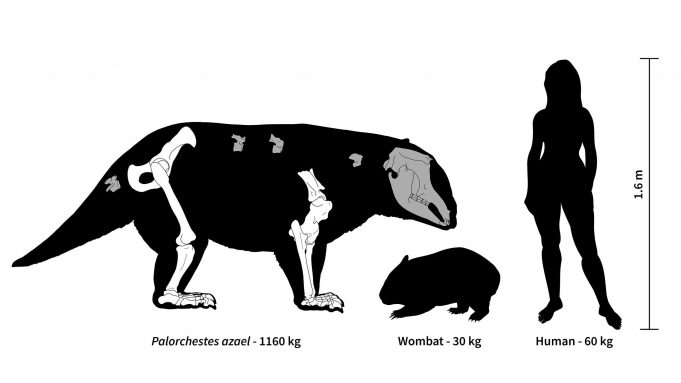
Palorchestid marsupials, an extinct group of Australian megafauna, had strange bodies and lifestyles unlike any living species, according to a study released September 13, 2019 in the open-access journal PLOS ONE by Hazel Richards of Monash University, Australia and colleagues.
For most...

It was a puzzle about birds.
Migratory birds are known to rely on Earth's magnetic field to help them navigate the globe. And it was suspected that a protein called cryptochrome, which is sensitive to blue light, was making it possible for birds to...


