




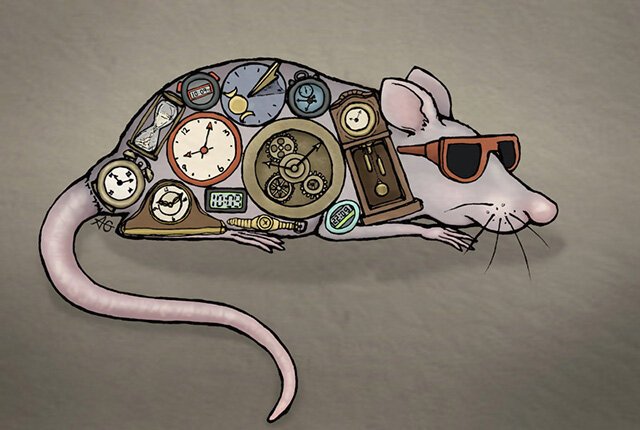
Squids, octopuses, cuttlefish, amphibians, and chameleon lizards are among the animals that can change the color of their skin in a blink of an eye. They have photoreceptors in their skin that operate independently of their brain. The photoreceptors...
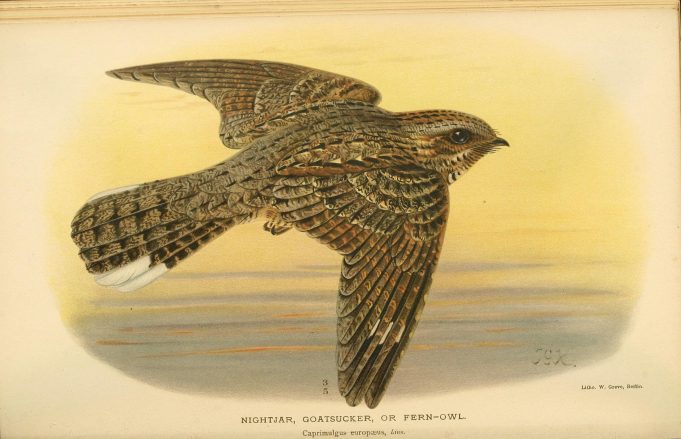
GPS tracking data reveals that the foraging activity of the European nightjar more than doubles during moon-lit nights, and the birds then migrate simultaneously about 10 days after the full moon, according to a study published October 15 in...

When it comes to being willing to explore more efficient options to solving a problem, monkeys exhibit more cognitive flexibility than humans, according to a study by Georgia State University psychology researchers.
"We are a unique species and have various...
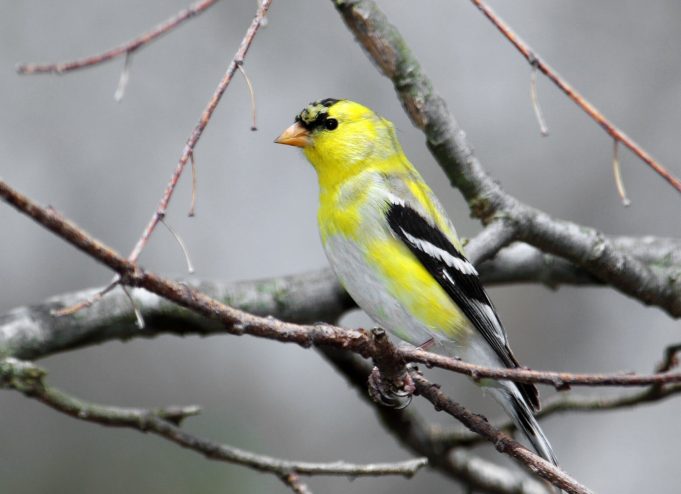
The males of species that form long-lasting pair-bonds, like many birds, often continue to make elaborate displays of plumage, colors and dances after they mate with a female. While their time and energy might be better spent taking care...
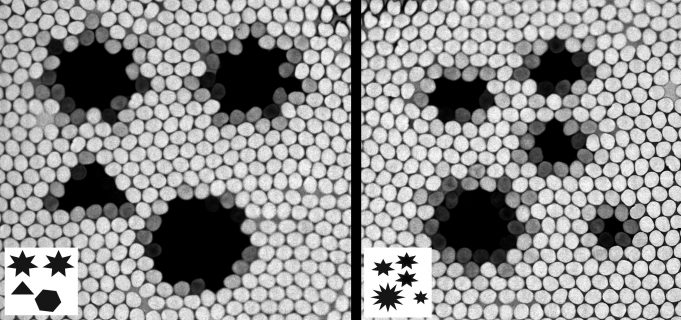
Start thinking about numbers and they can become large very quickly. The diameter of the universe is about 8.8×10²³ km and the largest known number—googolplex, 1010100—outranks it enormously. Although that colossal concept was dreamt up by brilliant mathematicians, we're still...
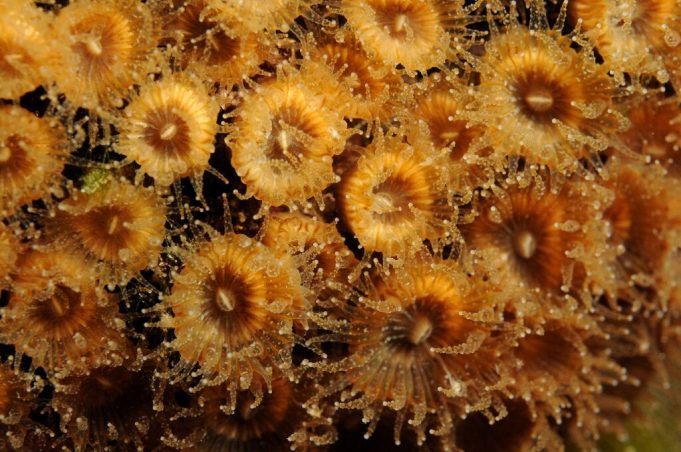
For the first time ever, scientists have found corals that were thought to have been killed by heat stress have recovered, a glimmer of hope for the world's climate change-threatened reefs.
The chance discovery, made by Diego K. Kersting from...
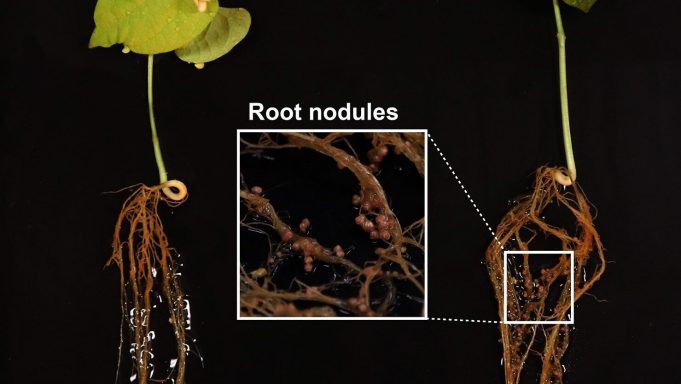
Scientists from Rutgers University and around the world have discovered an antibiotic produced by a soil bacterium from a Mexican tropical forest that may help lead to a "plant probiotic," more robust plants and other antibiotics.
Probiotics, which provide friendlier...
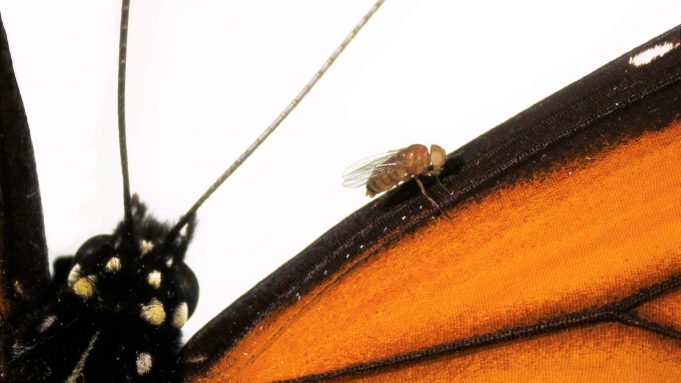
The fruit flies in Noah Whiteman's lab may be hazardous to your health.
Whiteman and his University of California, Berkeley, colleagues have turned perfectly palatable fruit flies—palatable, at least, to frogs and birds—into potentially poisonous prey that may cause anything that...
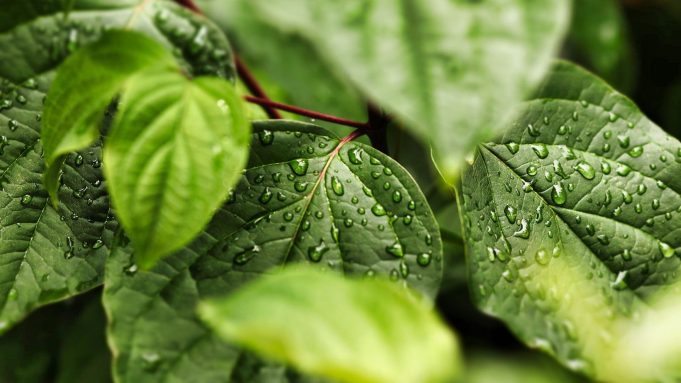
New research from Cornell University shows that plants can communicate with each other when they come under attack from pests.
The study shows that plants can share messages in the form of airborne chemicals known as volatile organic compounds (VOCs) that transfer...

A father holds up his newborn, their faces only inches apart, and slowly repeats the syllables "da" and "dee." After months of hearing these sounds, the baby begins to babble and gradually "da da da" is refined to the...
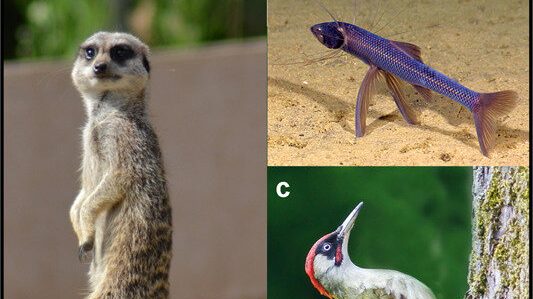
If "Why?" is the first question in science, "Why not?" must be a close second. Sometimes it's worth thinking about why something does not exist.
Such as a truly three-legged animal. Tracy Thomson, graduate student in the UC Davis Department of Earth...


