





Monarch butterflies are moving south through Texas on their annual autumn migration to overwintering sites in Central Mexico, but millions die in collisions with vehicles while flying low across Texas highways. Monarch numbers have declined about 82% over the...
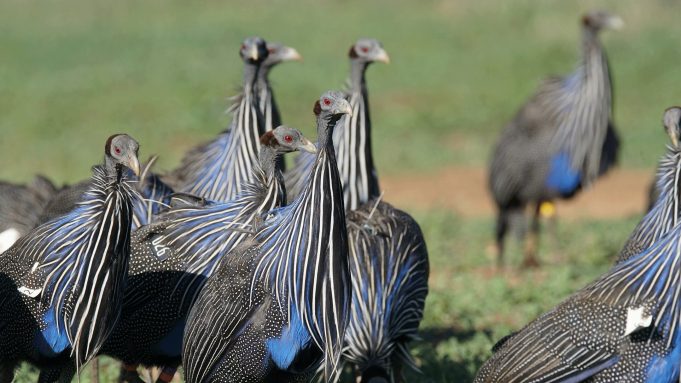
Multilevel societies have, until now, only been known to exist among large-brained mammals including humans, other primates, elephants, giraffes and dolphins. Now, scientists from the Max Planck Institute of Animal Behavior and the University of Konstanz report the existence...
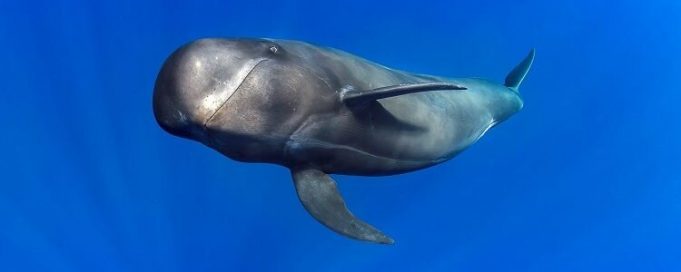
A new international study led by Aarhus University in Denmark, in collaboration with the Universities of St Andrews and La Laguna, Tenerife, reveals how whales have evolved to live in the world's deepest oceans.
Many whales and dolphins, including the...
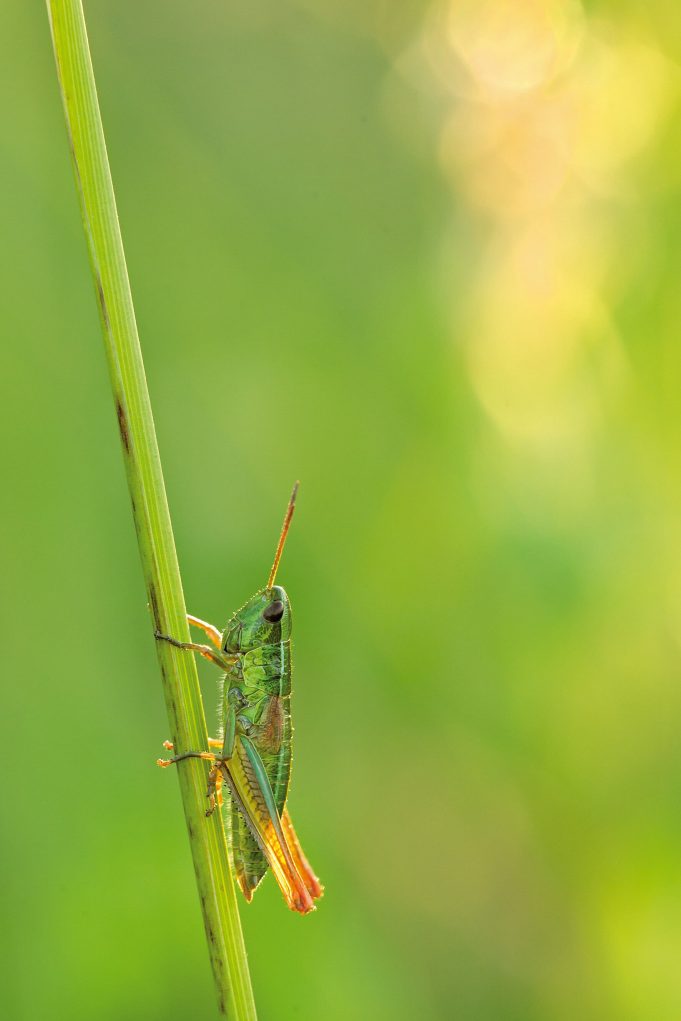
Compared to a decade ago, today the number of insect species in many areas has decreased by about one-third. This is the result of a survey of an international research team led by scientists from the Technical University of...
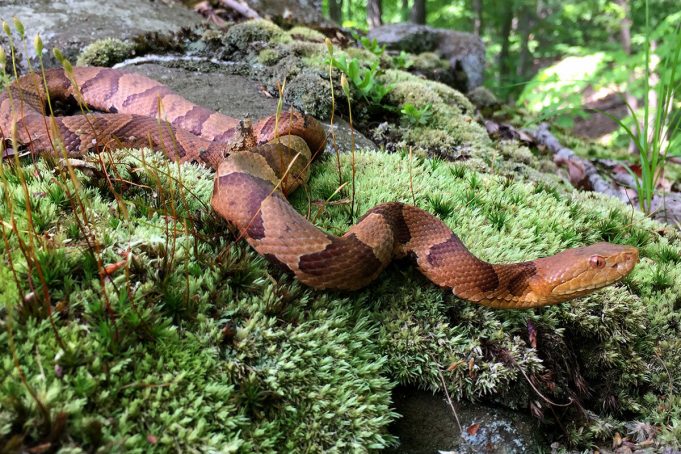
A long-term study of copperhead snakes in a forest near Meriden, Connecticut, revealed that five consecutive years of drought effectively ended the snakes' reproductive output.
Not one of the dozens of female snakes in the closely monitored population became pregnant...
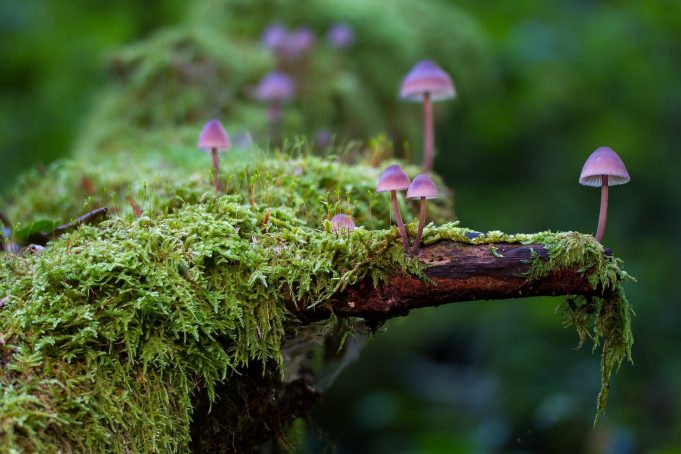
For a plant to thrive, it needs the help of a friendly fungus—preferably one that will dig its way deep into the cells of the plant's roots.
Plants live in symbiosis with root-associated, or mycorrhizal, fungi. The fungi provide up...
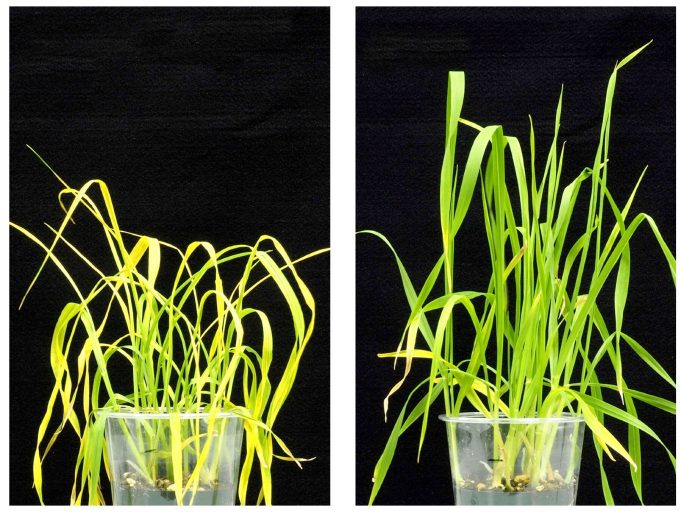
A UC Riverside-led team has created a chemical to help plants hold onto water, which could stem the tide of massive annual crop losses from drought and help farmers grow food despite a changing climate.
"Drought is the No. 1...

Together with a Ukrainian colleague, Senckenberg researchers examined the 120-year-old specimen of a "Crimean lizard." Until now, these animals had been considered a species of green lizard restricted to the Crimean Peninsula. Based on the complete mitochondrial genome, the...
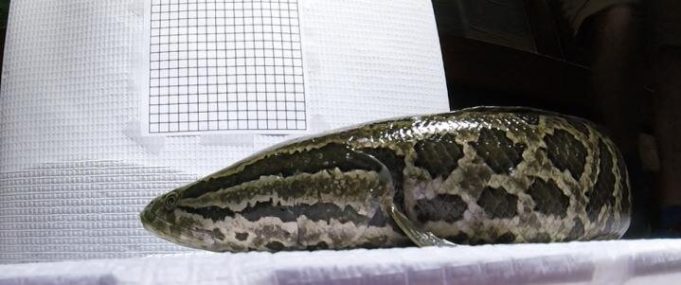
The largest fish to walk on land, the voracious northern snakehead, will flee water that is too acidic, salty or high in carbon dioxide—important information for future management of this invasive species.
Snakeheads eat native species of fish, frogs and crayfish,...

Sometimes life really can be a rat race.
US scientists have reported successfully training a group of the rodents to drive tiny cars in exchange for bits of Froot Loops cereal, and found that learning the task lowered their stress levels.
Their...
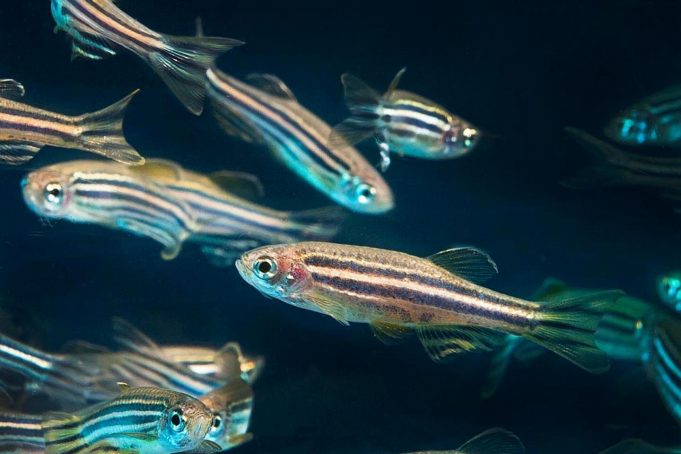
It is already known that zebrafish can flexibly regenerate their hearts after injury. An international research group led by Prof. Nadia Mercader of the University of Bern now shows that certain heart muscle cells play a central role in...


