



A quasi-particle that travels along the interface of a metal and dielectric material may be the solution to problems caused by shrinking electronic components, according to an international team of engineers.
"Microelectronic chips are ubiquitous today," said Akhlesh Lakhtakia, Evan...
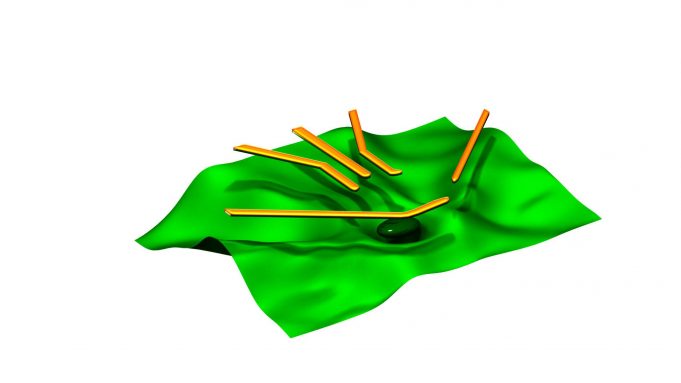
Scientists from the University of Oxford, in collaboration with University of Basel and Lancaster University, have developed an algorithm that can be used to measure quantum dots automatically.
The electron spin of individual electrons in quantum dots could serve as...
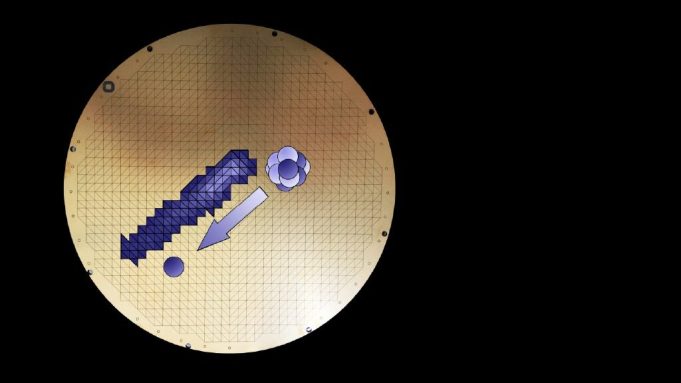
Researchers from the National Superconducting Cyclotron Laboratory (NSCL) at Michigan State University (MSU) and TRIUMF (Canada's national particle accelerator) have observed a rare nuclear decay. Namely, the team measured low-kinetic-energy protons emitted after the beta decay of a neutron-rich...
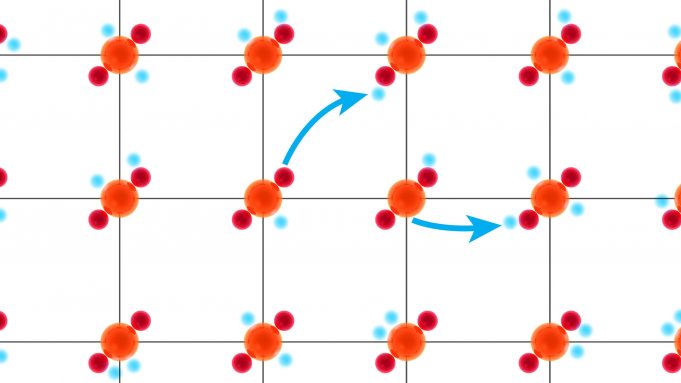
Researchers at Stanford University and the Department of Energy's SLAC National Accelerator Laboratory say they have found the first, long-sought proof that a decades-old scientific model of material behavior can be used to simulate and understand high-temperature superconductivity -...
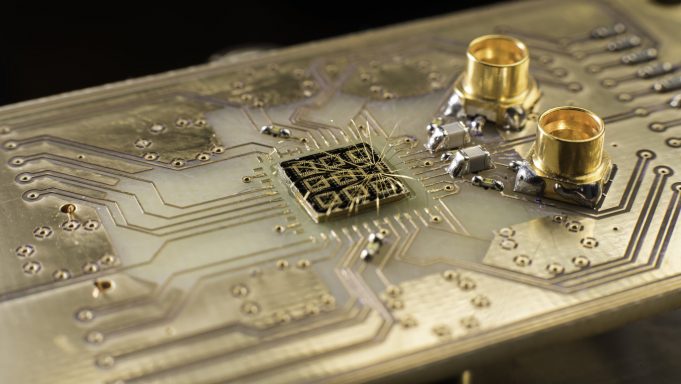
Quantum computing has the potential to revolutionize technology, medicine, and science by providing faster and more efficient processors, sensors, and communication devices.
But transferring information and correcting errors within a quantum system remains a challenge to making effective quantum computers.
In a paper...
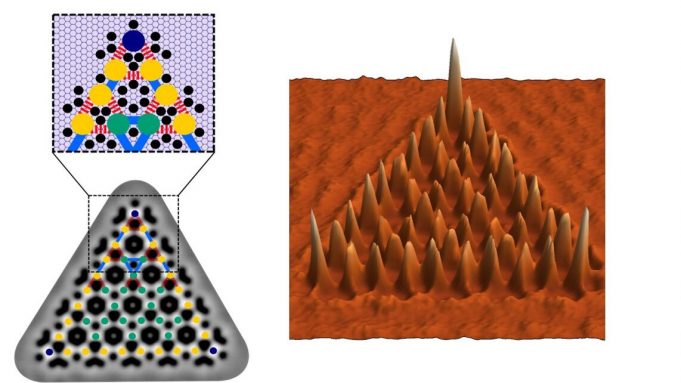
A group of physicists in Utrecht, San Sebastián and Pennsylvania have created a new artificial molecule that is insulating inside but has electronic states localized in its corners. These states have zero energy, and for this reason, are resilient...
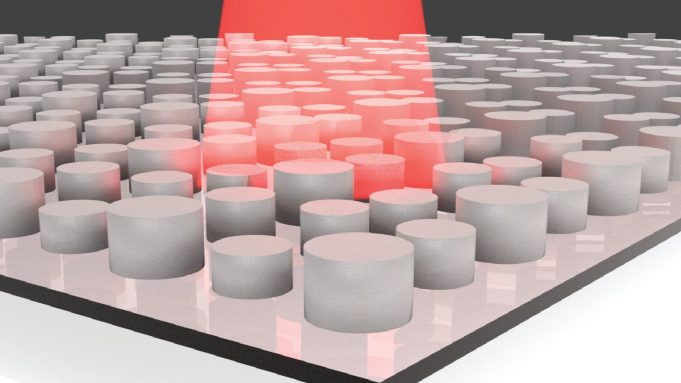
Electrical engineers at Duke University have harnessed the power of machine learning to design dielectric (non-metal) metamaterials that absorb and emit specific frequencies of terahertz radiation. The design technique changed what could have been more than 2000 years of...

A new study shows that, contrary to widespread belief within the solar power industry, new kinds of solar cells and panels don't necessarily have to last for 25 to 30 years in order to be economically viable in today's...
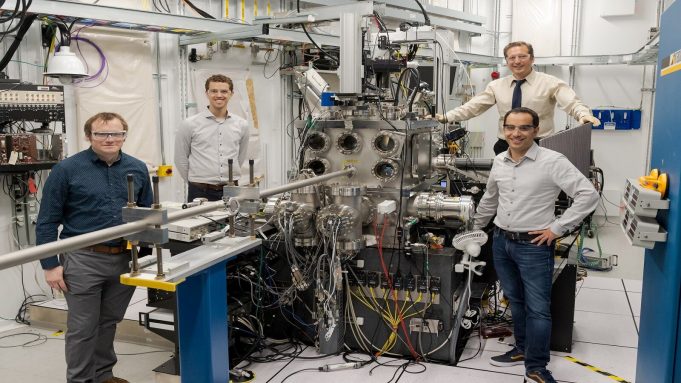
When exposed to stress and strain, materials can display a wide range of different properties. By using sound waves, scientists have begun to explore fundamental stress behaviors in a crystalline material that could form the basis for quantum information...
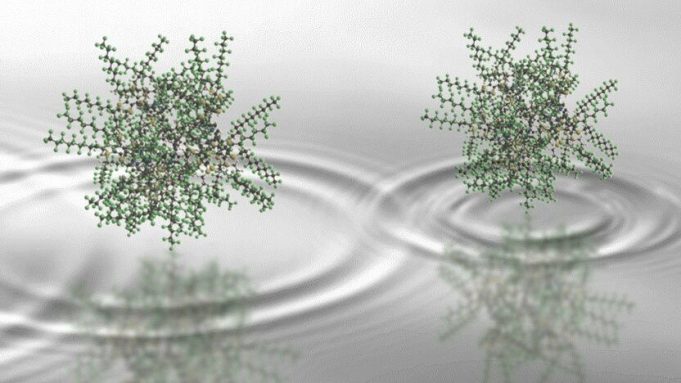
The quantum superposition principle has been tested on a scale as never before in a new study by scientists at the University of Vienna in collaboration with the University of Basel. Hot, complex molecules composed of nearly two thousand...
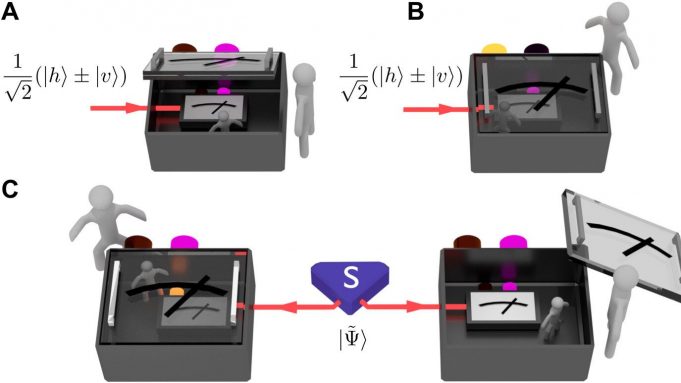
Science is based on facts that are established by independent observations agreed by everyone.
But scientists at Heriot-Watt University's Mostly Quantum Lab have now shown that, in the quantum world, facts may depend on who observes them.
Imagine tossing a coin. A quantum coin...


