


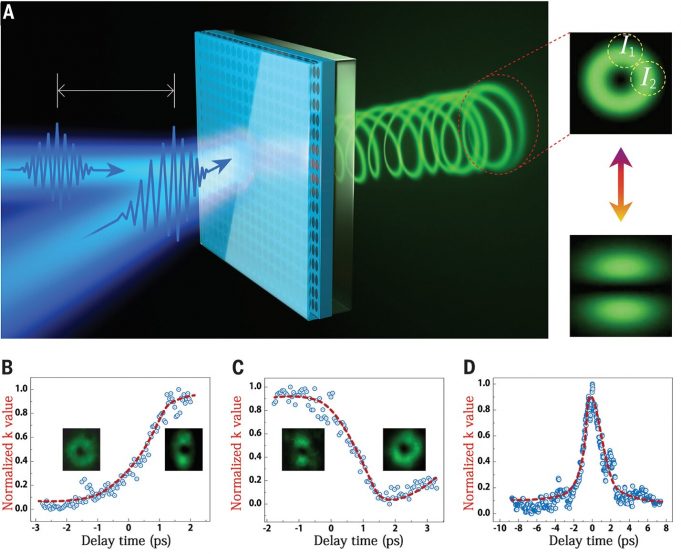
The all-optical switch is a kind of device that controls light with light, which is the fundamental building block of modern optical communications and information processing. Creating an efficient, ultrafast, and compact all-optical switch has been recognized as the...
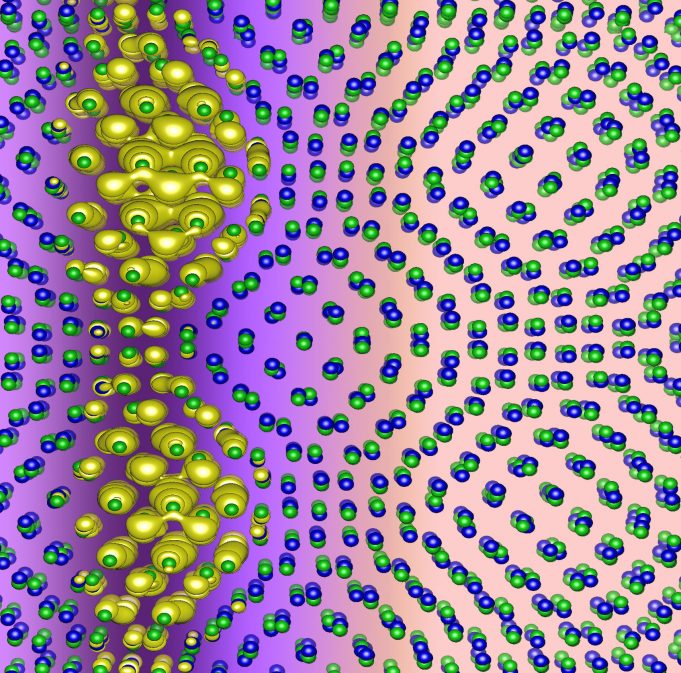
Researchers from the Max Planck Institute for the Structure and Dynamics of Matter (MPSD) in Hamburg, the RWTH Aachen University (both in Germany) and the Flatiron institute in the U.S. have revealed that the possibilities created by stacking two...
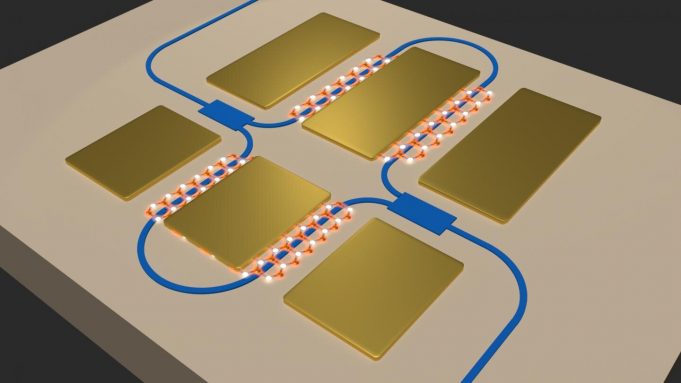
Optical manipulation on the nano-scale, or nanophotonics, has become a critical research area, as researchers seek ways to meet the ever-increasing demand for information processing and communications. The ability to control and manipulate light on the nanometer scale will...
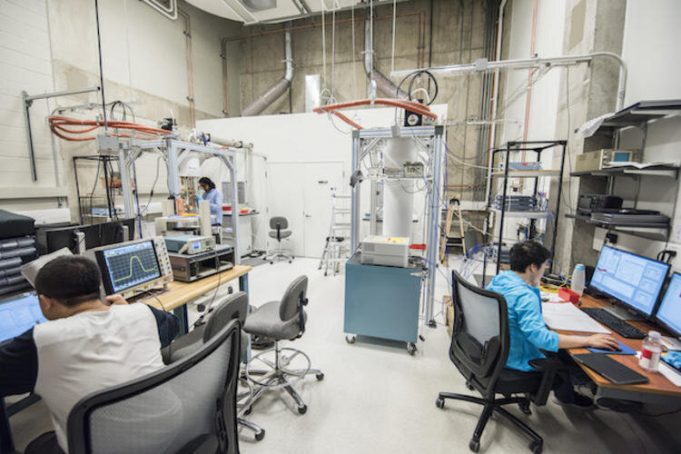
Researchers from the Institute for Quantum Computing (IQC) at the University of Waterloo report the first occurrence of directly splitting one photon into three.
The occurrence, the first of its kind, used the spontaneous parametric down-conversion method (SPDC) in quantum...
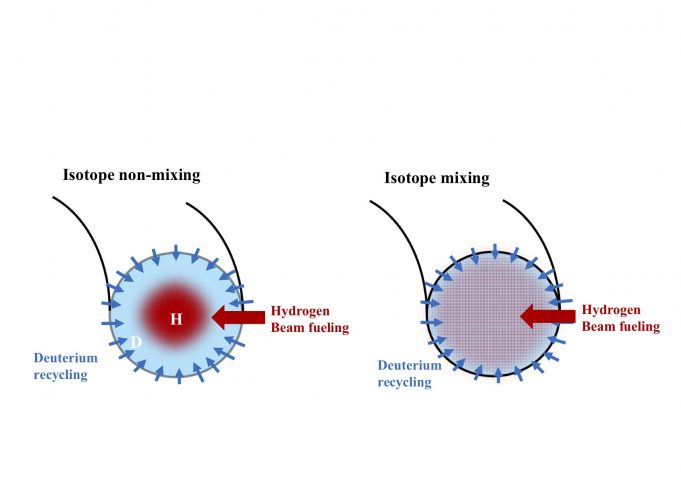
Fusion may be the future of clean energy. The same way the sun forces reactions between light elements, such as hydrogen, to produce heavy elements and heat energy, fusion on Earth can generate electricity by harnessing the power of...
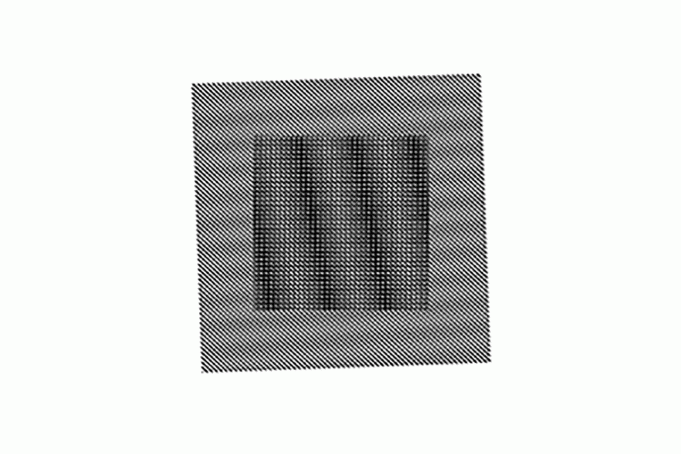
Humans have been studying electric charge for thousands of years, and the results have shaped modern civilization. Our daily lives depend on electric lighting, smartphones, cars, and computers, in ways that the first individuals to take note of a...
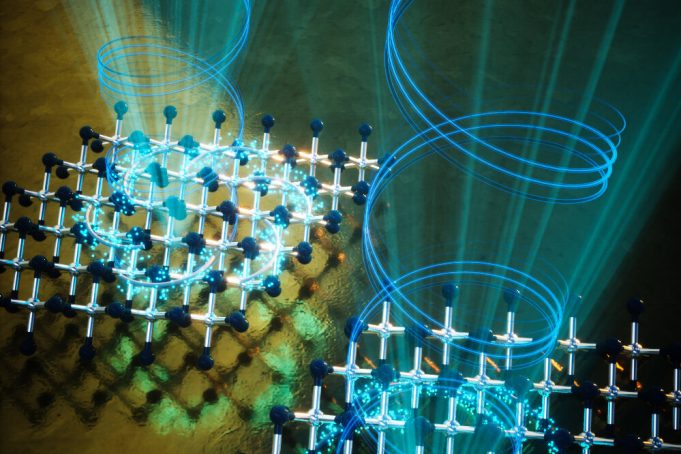
Some molecules, including most of the ones in living organisms, have shapes that can exist in two different mirror-image versions. The right- and left-handed versions can sometimes have different properties, such that only one of them carries out the...

Most ordinary matter is held together by an invisible subatomic glue known as the strong nuclear force—one of the four fundamental forces in nature, along with gravity, electromagnetism, and the weak force. The strong nuclear force is responsible for...

For 20 years, researchers have studied how light rotates around a longitudinal axis parallel to the direction light travels. But could it move in other ways? After two years of research, and thanks to a sabbatical, University of Dayton...
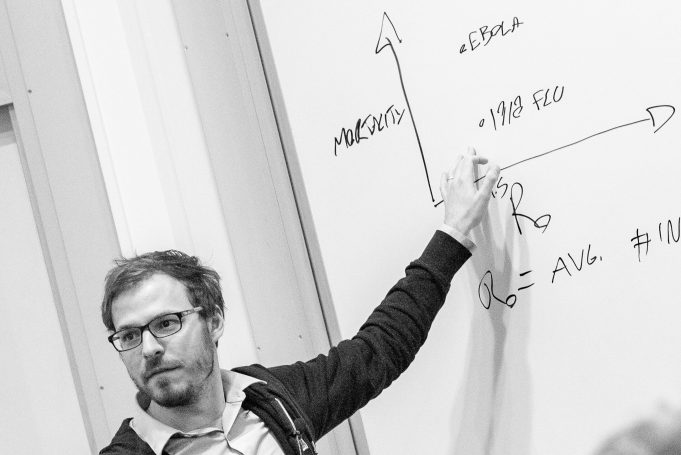
Interacting contagious diseases like influenza and pneumonia follow the same complex spreading patterns as social trends. This new finding, published in Nature Physics, could lead to better tracking and intervention when multiple diseases spread through a population at the same...
To develop futuristic technologies like quantum computers, scientists will need to find ways to control photons, the basic particles of light, just as precisely as they can already control electrons, the basic particles in electronic computing. Unfortunately, photons are...


