



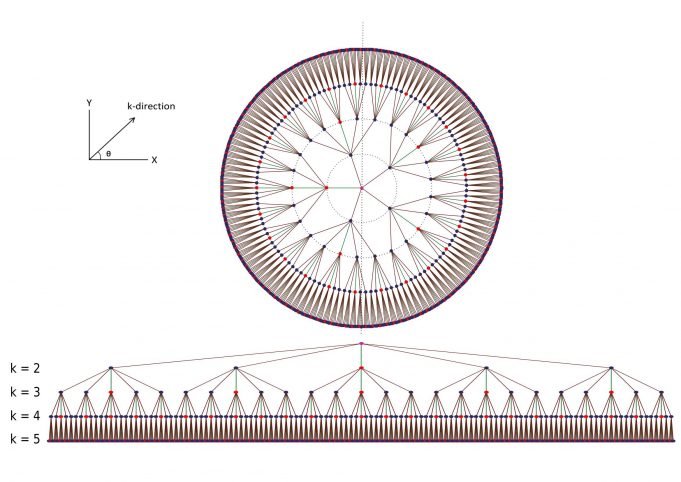
Quantum circuits, the building blocks of quantum computers, use quantum mechanical effects to perform tasks. They are much faster and more accurate than the classical circuits that are found in electronic devices today. In reality, however, no quantum circuit...
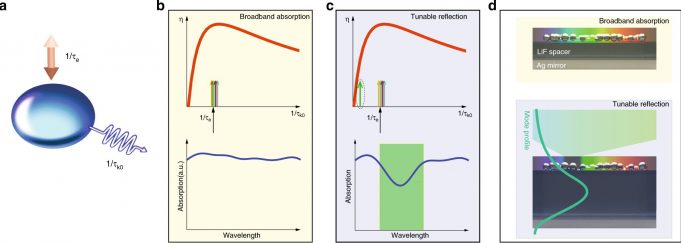
Scientists have developed a way of extracting a richer palette of colours from the available spectrum by harnessing disordered patterns inspired by nature that would typically be seen as black.
Colours that we see in nature often come from nanoscale...
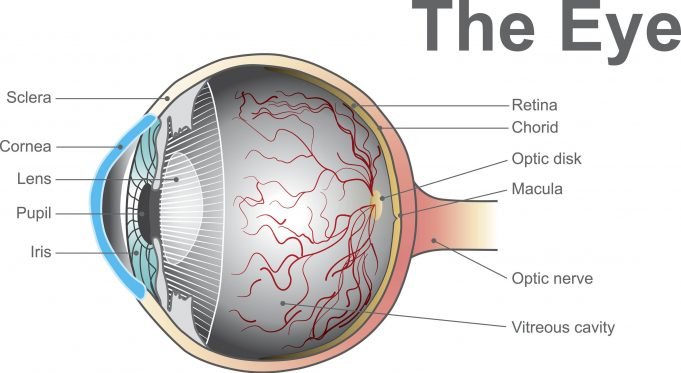
EPFL researchers have developed a device that can zoom in on previously invisible cells at the back of the eye. The technology could be extremely useful for ophthalmologists, in particular for detecting age-related macular degeneration early and assessing new...

What is interaction, and when does it occur? Intuition suggests that the necessary condition for the interaction of independently created particles is their direct touch or contact through physical force carriers. In quantum mechanics, the result of the interaction...
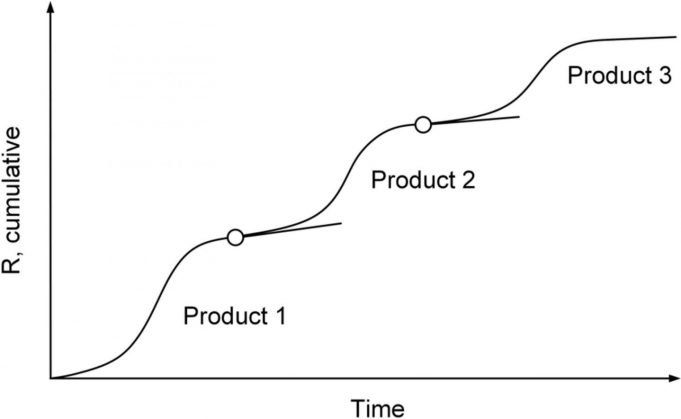
A professor at Duke University says that the way spilled milk spreads across the floor can explain why economic downturns regularly occur.
In a paper published online on March 5 in the International Journal of Energy Research, Adrian Bejan, the J.A....
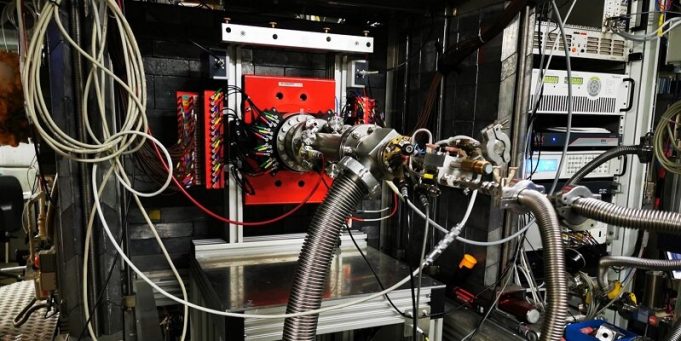
Scientists have made a breakthrough in the development of a new generation of electronics that will require less power and generate less heat.
It involves exploiting the complex quantum properties of electrons—in this case, the spin state of electrons.
In a world first,...
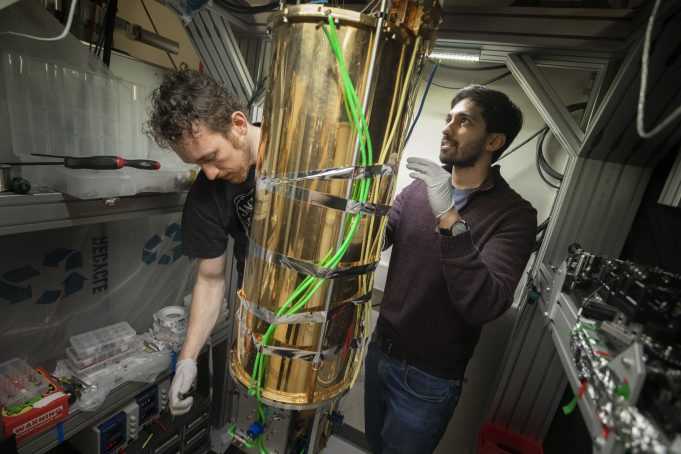
A quantum internet could be used to send unhackable messages, improve the accuracy of GPS, and enable cloud-based quantum computing. For more than twenty years, dreams of creating such a quantum network have remained out of reach in large...
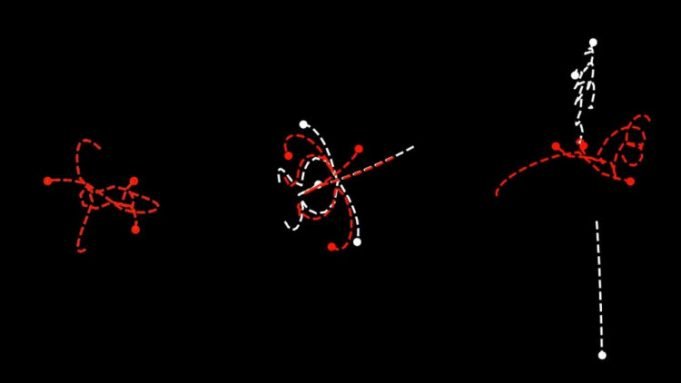
If three or more objects move around each other, history cannot be reversed. That is the conclusion of an international team of researchers based on computer simulations of three black holes orbiting each other. The researchers, led by the...
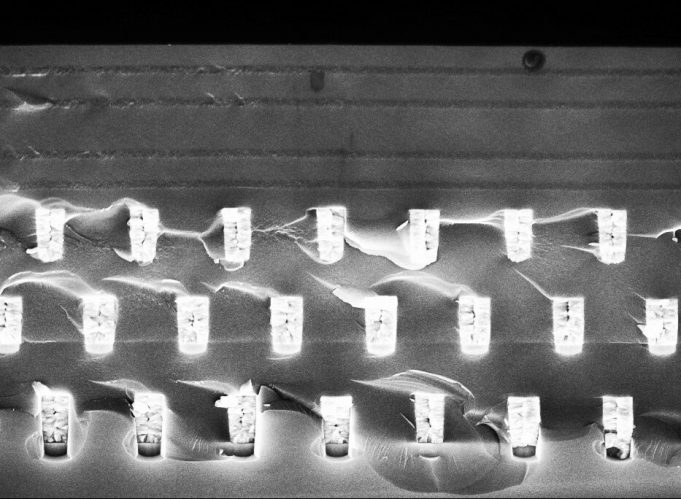
Could there be a new kind of light in the universe? Since the late 19th century, scientists have understood that, when heated, all materials emit light in a predictable spectrum of wavelengths. Research published today in Nature Scientific Reports presents a material...
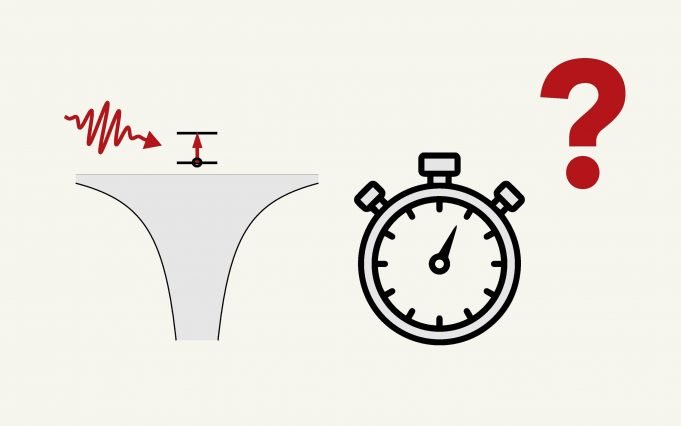
The dynamics of electrons change ever so slightly on each interaction with a photon. Physicists at ETH Zurich have now measured such interplay in its arguably purest form—by recording the attosecond-scale time delays associated with one-photon transitions in an...
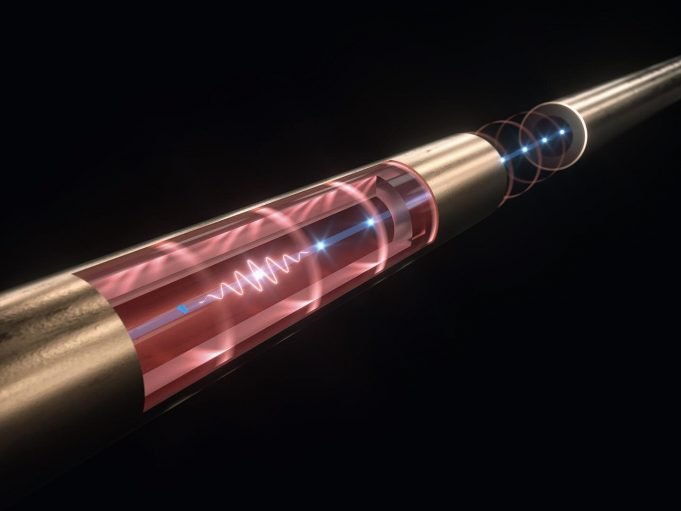
A team of DESY scientists has built a miniature double particle accelerator that can recycle some of the laser energy fed into the system to boost the energy of the accelerated electrons a second time. The device uses narrowband...


