



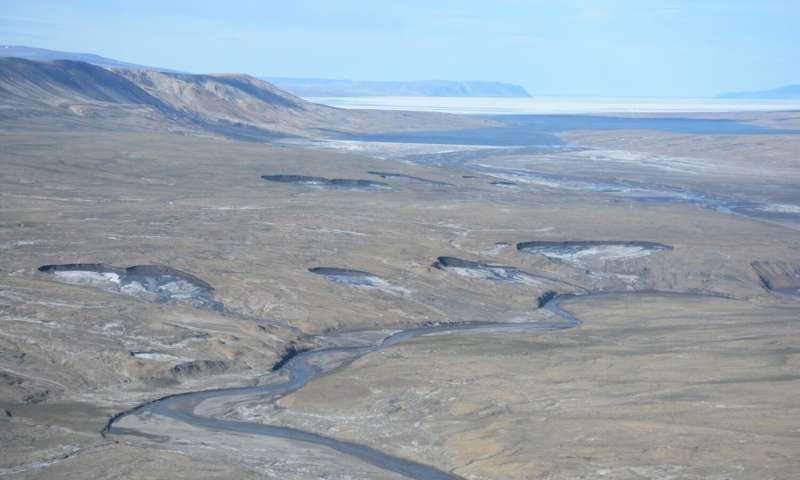
Rapid changes in terrain are taking place in Canada's high Arctic polar deserts due to increases in summer air temperatures.
A McGill-led study published recently in Environmental Research Letters presents close to 30 years of aerial surveys and extensive ground mapping of...
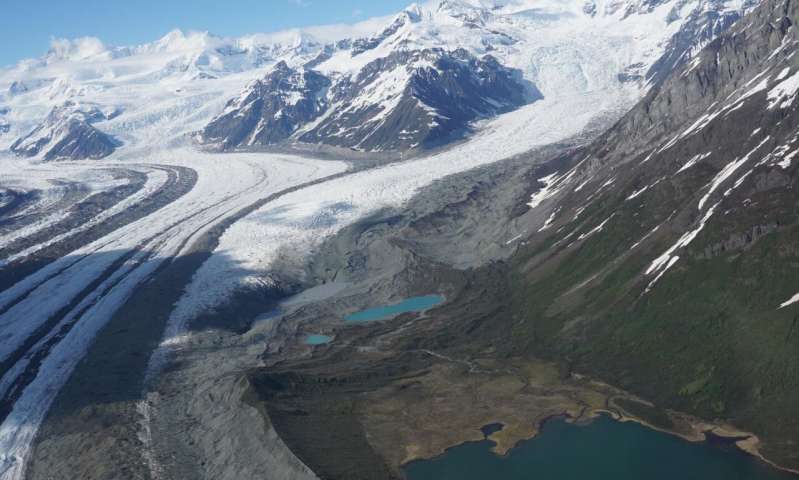
A new review of glacier research data paints a picture of a future planet with a lot less ice and a lot more water. Glaciers worldwide are projected to lose anywhere from 18% to 36% of their mass by...

Since 2013, annual emissions of a banned chlorofluorocarbon (CFC) have increased by around 7,000 tonnes from eastern China, according to new research published in Nature today by an international team of scientists from the UK, South Korea, Japan, USA, Australia...
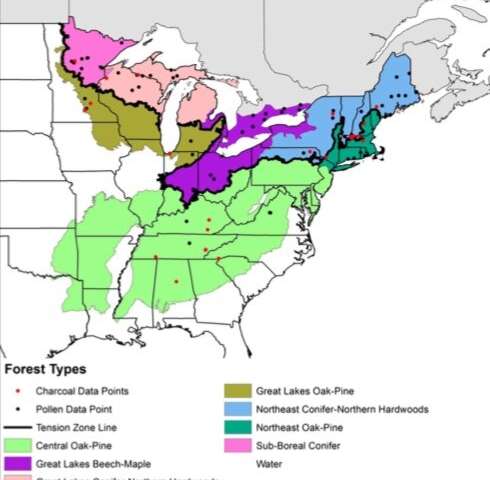
Native Americans' use of fire to manage vegetation in what is now the Eastern United States was more profound than previously believed, according to a Penn State researcher who determined that forest composition change in the region was caused...
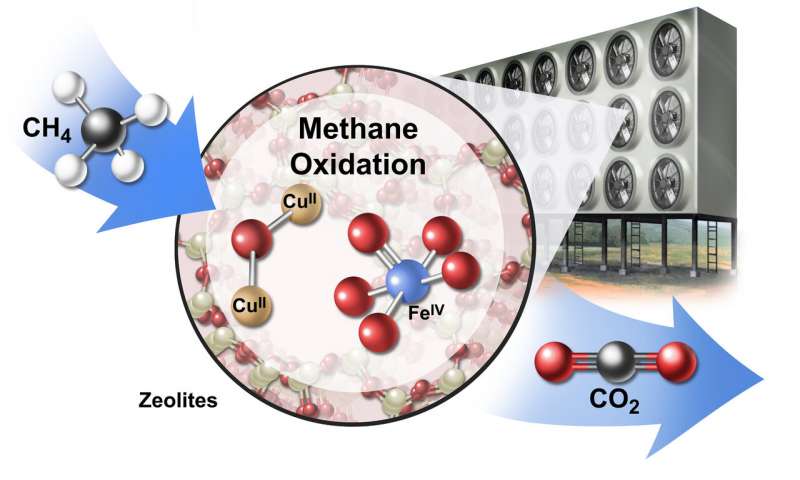
A relatively simple process could help turn the tide of climate change while also turning a healthy profit. That's one of the hopeful visions outlined in a new Stanford-led paper that highlights a seemingly counterintuitive solution: converting one greenhouse...

By combining 25 years of European Space Agency satellite altimeter measurements and a model of the regional climate, the UK Centre for Polar Observation and Modelling (CPOM) have tracked changes in snow and ice cover across the continent.
A team...
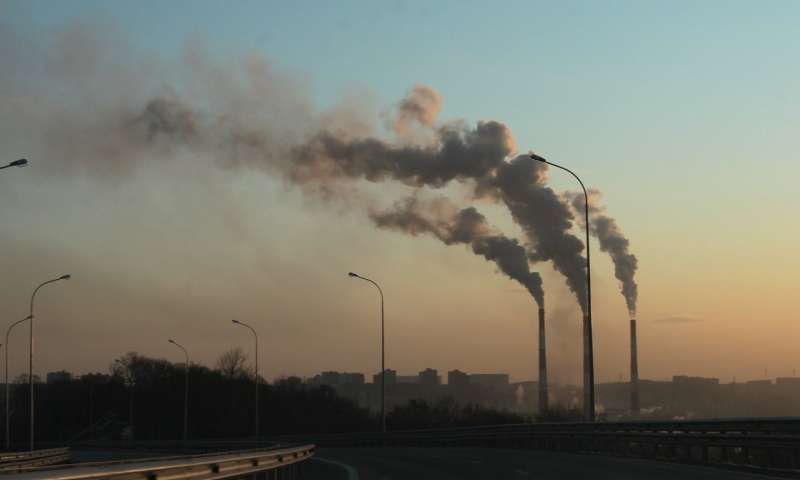
With global emissions continuing unabated, climate change is proceeding at a startling pace. But a team of scientists from UC Santa Barbara and RWTH Aachen University in Germany have a new—and novel—destination in mind for all the carbon dioxide...

Larch trees in the permafrost forests of northeastern China—the northernmost tree species on Earth—are growing faster as a result of climate change, according to new research.
A new study of growth rings from Dahurian larch in China's northern forests finds...

Virtually all marine life depends on the productivity of phytoplankton—microscopic organisms that work tirelessly at the ocean's surface to absorb the carbon dioxide that gets dissolved into the upper ocean from the atmosphere.
Through photosynthesis, these microbes break down carbon dioxide into...
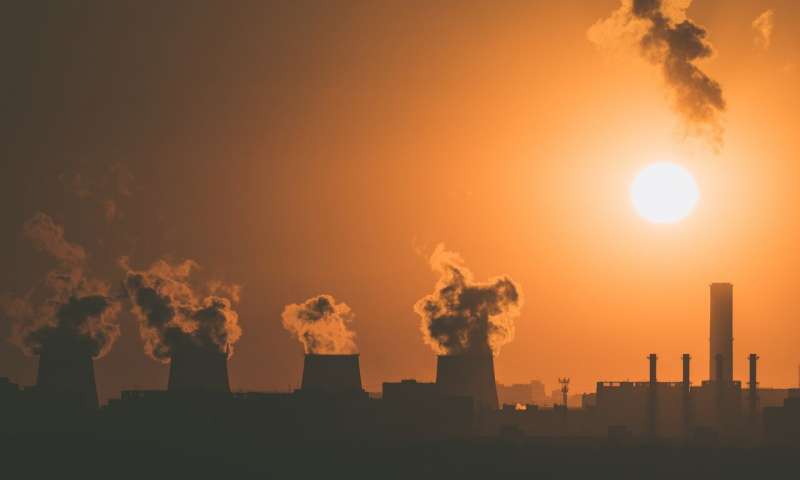
The price tag for cutting global emissions may seem expensive, until the human toll of deaths from air pollution and climate change are factored in, new research says.
The new study in Nature Communicationsreports that immediate, dramatic cuts in carbon emissions—aggressive enough...

Climate change has raised the risk of a fungal disease that ravages banana crops, new research shows.
Black Sigatoka disease emerged from Asia in the late 20th Century and has recently completed its invasion of banana-growing areas in Latin America...


