



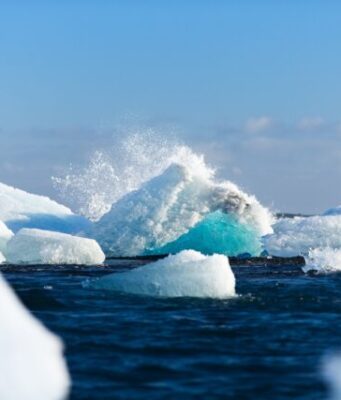
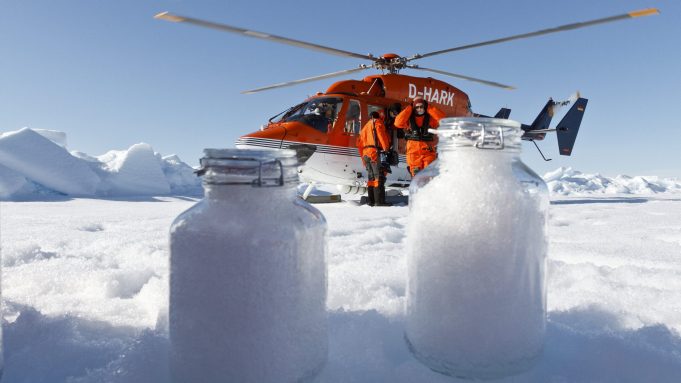
Over the past several years, microplastic particles have repeatedly been detected in seawater, drinking water, and even in animals. But these minute particles are also transported by the atmosphere and subsequently washed out of the air, especially by snow—and...

Climate deniers have garnered far more media attention than prominent climate scientists over the years, fuelling public confusion and slowing the response to global warming, researchers reported Tuesday.
From 2000 through 2016, hundreds of academics, business people and politicians who doubted global warming or...
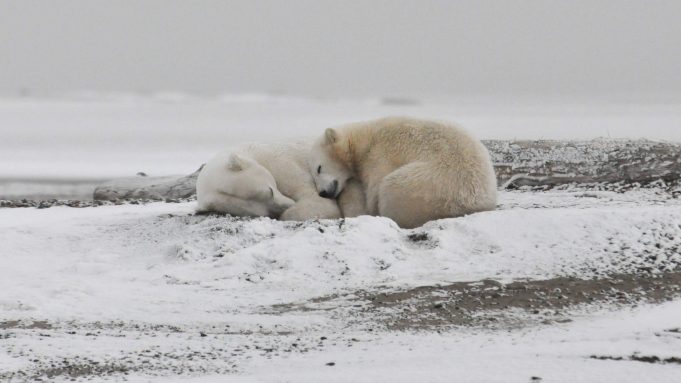
Arctic sea ice could disappear completely through September each summer if average global temperatures increase by as little as 2 degrees, according to a new study by the University of Cincinnati.
The study by an international team of researchers was...

A vast region of Africa affected by drought and changing land use emits as much carbon dioxide each year as 200 million cars, research suggests.
Observations from two satellites have consistently shown emissions over northern tropical Africa of between 1...

Like the eponymous character in Shel Silverstein's classic children's tale, trees are generous with their gifts, cleaning the air we breathe and slowing the ravages of global warming by absorbing about a quarter of all human-caused carbon dioxide emissions....

Over the recent decade, total human impacts to the world's oceans have, on average, nearly doubled and could double again in the next decade without adequate action. That's according to a new study by researchers from the National Center...
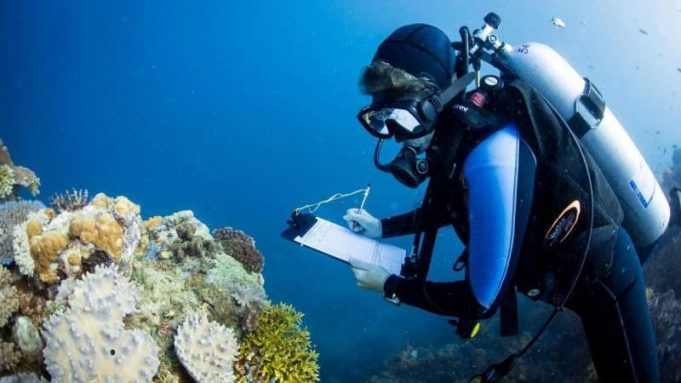
The largest study ever conducted of its kind has identified where and how to save coral reef communities in the Indo-Pacific, according to an international group of scientists from WCS (Wildlife Conservation Society) and other conservation NGOs, government agencies,...

Major volcanic eruptions spew ash particles into the atmosphere, which reflect some of the Sun's radiation back into space and cool the planet. But could this effect be intentionally recreated to fight climate change? A new paper in Geophysical Research...
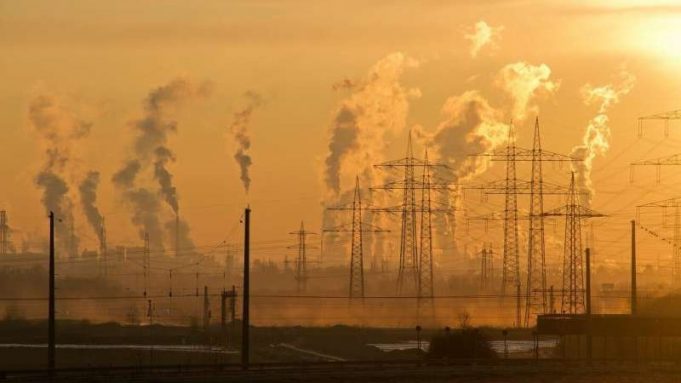
Fears that efforts to reduce air pollution could dramatically speed up the process of global warming have been allayed with the publication of a landmark new study.
Scientists have long worried that air pollution, while having a devastating impact on human...

It was the most serious release of radioactive material since Fukushima 2011, but the public took little notice of it: In September 2017, a slightly radioactive cloud moved across Europe. Now, a study has been published, analyzing more than...
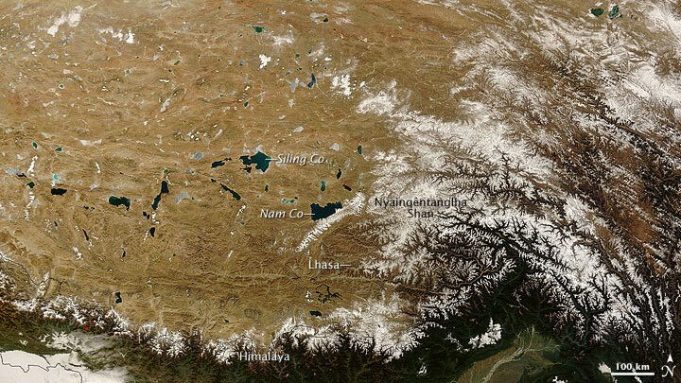
Melting Himalayan glaciers are releasing decades of accumulated pollutants into downstream ecosystems, according to a new study.
The new research in AGU's Journal of Geophysical Research: Atmospheres finds chemicals used in pesticides that have been accumulating in glaciers and ice sheets...


