



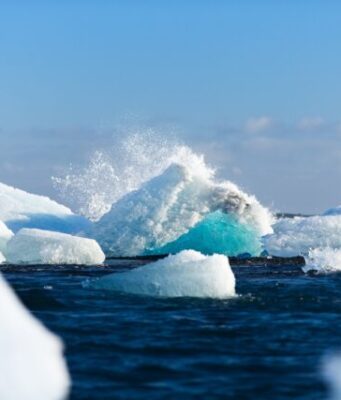

The environmental effects of agriculture and food are hotly debated. But the most widely used method of analysis often tends to overlook vital factors such as biodiversity, soil quality, pesticide impacts and societal shifts, and these oversights can lead...
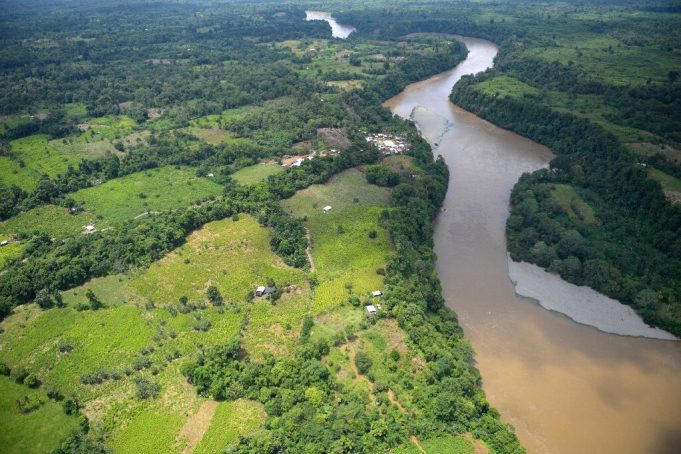
Restoring and protecting the world's soil could absorb more than five billion tonnes of carbon dioxide each year—roughly what the US emits annually—new research showed Monday.
Last year the United Nations' Intergovernmental Panel on Climate Change said that the world...
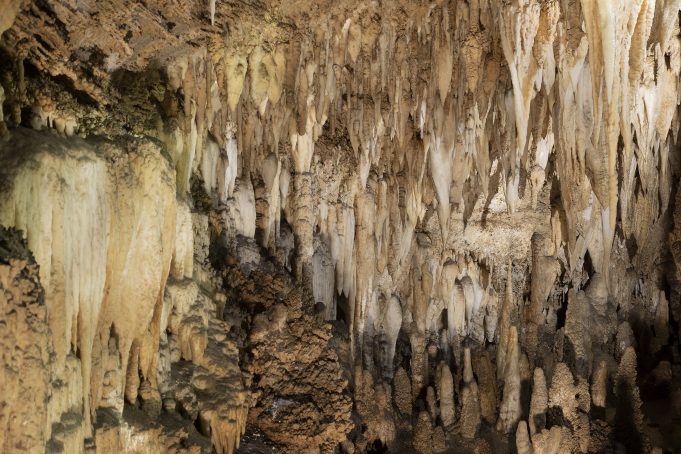
New University of Melbourne research has revealed that ice ages over the last million years ended when the tilt angle of the Earth's axis was approaching higher values.
During these times, longer and stronger summers melted the large Northern Hemisphere...
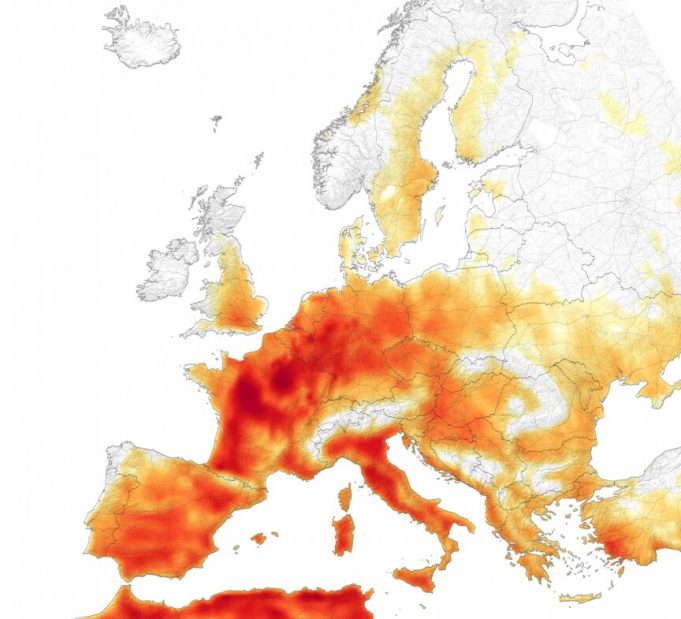
Heat stress from extreme heat and humidity will annually affect areas now home to 1.2 billion people by 2100, assuming current greenhouse gas emissions, according to a Rutgers study.
That's more than four times the number of people affected today,...
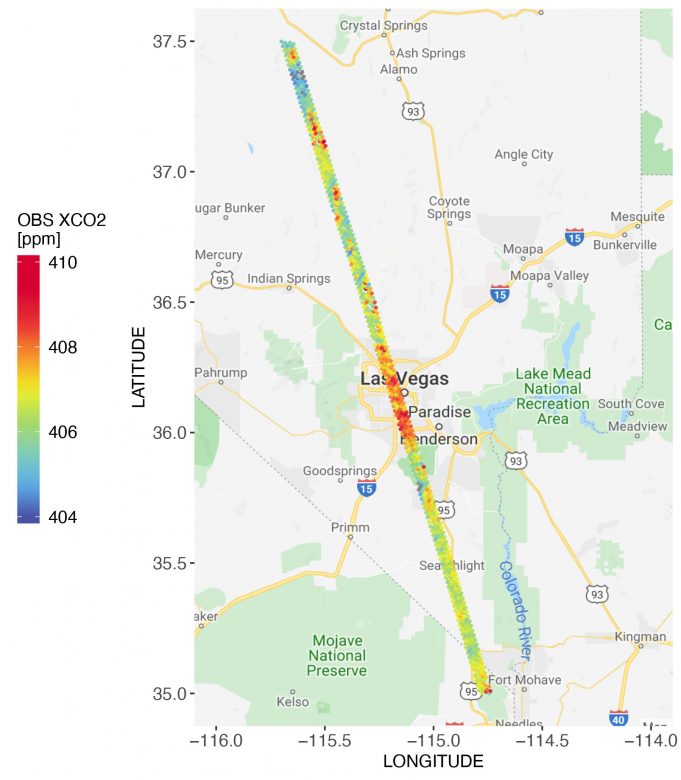
A new NASA/university study of carbon dioxide emissions for 20 major cities around the world provides the first direct, satellite-based evidence that as a city's population density increases, the carbon dioxide it emits per person declines, with some notable...
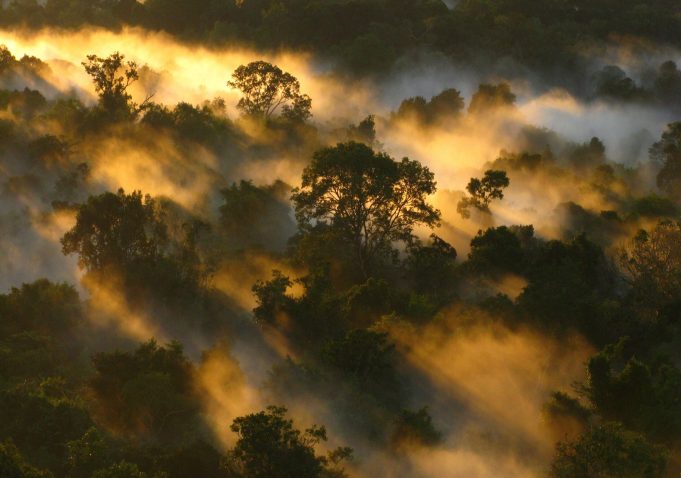
The ability of the world's tropical forests to remove carbon from the atmosphere is decreasing, according to a study tracking 300,000 trees over 30 years, published today in Nature.
The global scientific collaboration, led by the University of Leeds, reveals that...
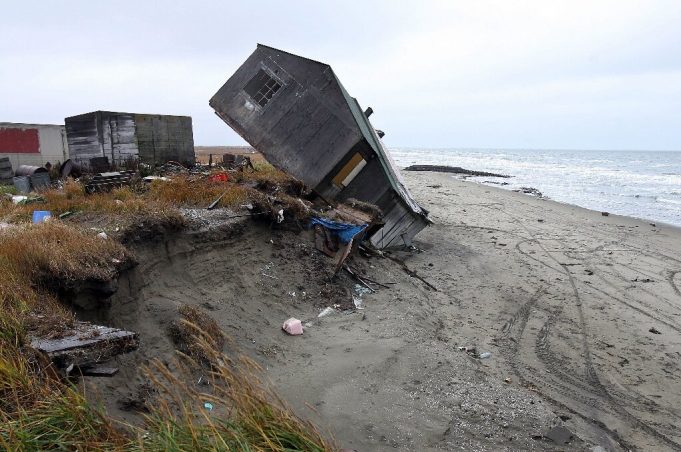
Climate change and sea level rise are currently on track to wipe out half the world's sandy beaches by 2100, researchers warned Monday.
Even if humanity sharply reduces the fossil fuel pollution that drives global warming, more than a third of...
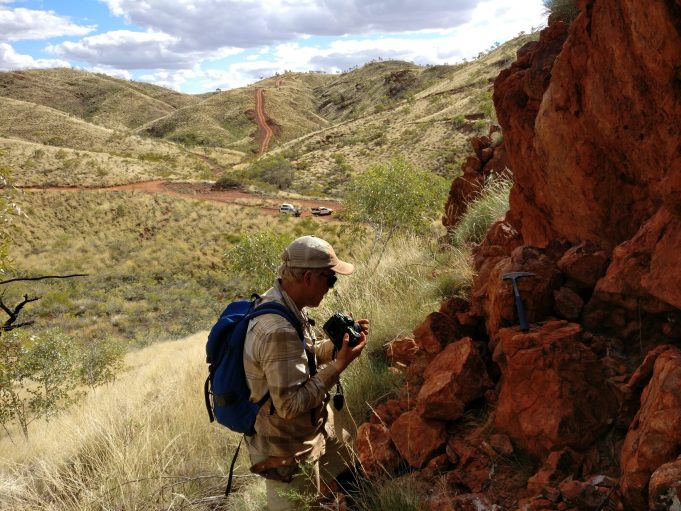
Kevin Costner, eat your heart out. New research shows that the early Earth, home to some of our planet's first lifeforms, may have been a real-life "waterworld"— without a continent in sight.
The study, which appears March 2 in Nature Geoscience,...

The Arctic has experienced the warming effects of global climate change faster than any other region on the planet. Scientists at the Scripps Institution of Oceanography have developed a new theory aided by computer simulations and observations that helps...
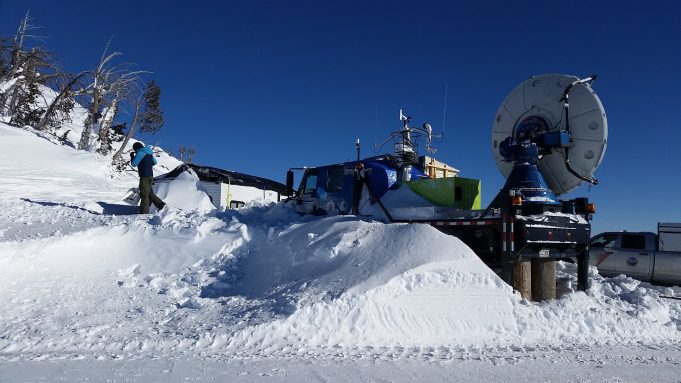
For the first time, researchers have used radar and other tools to accurately measure the volume of snow produced through cloud seeding.
Led by University of Colorado Boulder atmospheric scientist Katja Friedrich and her colleagues, the research began on a...
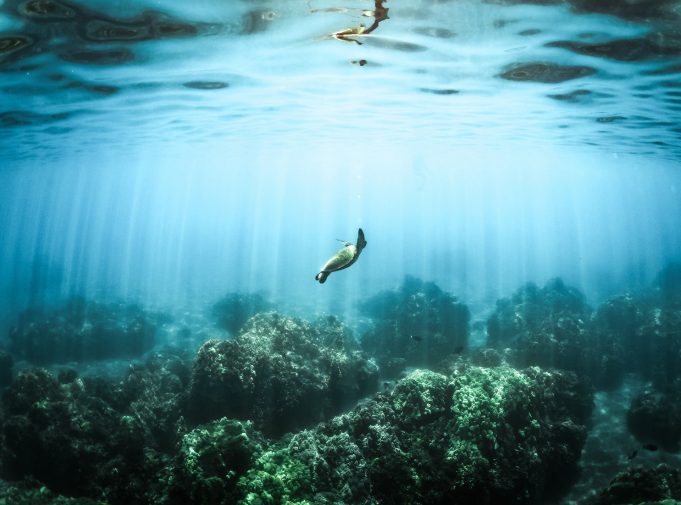
At least 26 per cent of our oceans need urgent conservation attention to preserve Earth's marine biodiversity, a University of Queensland-led international study has found.
Dr. Kendall Jones said the international community needed to rapidly increase marine conservation efforts to maintain the health of...


