




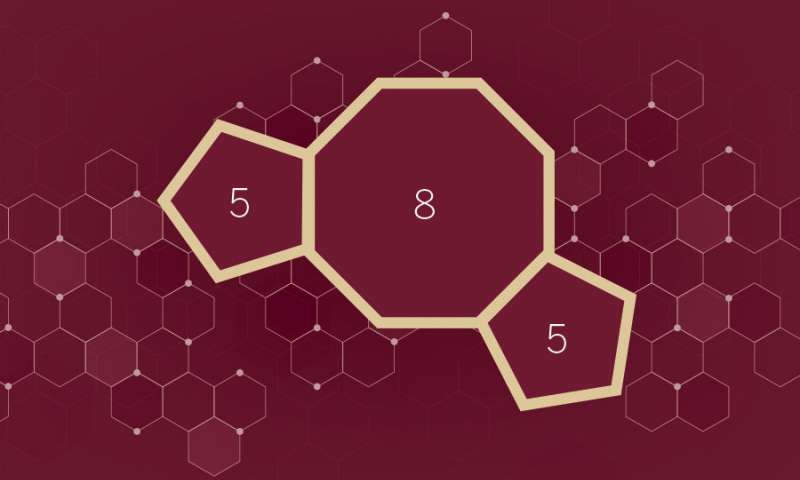
In pharmacology, not all molecular structures are created equal. Some frameworks are overrepresented in nature, making them especially attractive to scientists on the hunt for more effective drugs.
One such structure, known to scientists as the carbocyclic 5-8-5 fused ring...
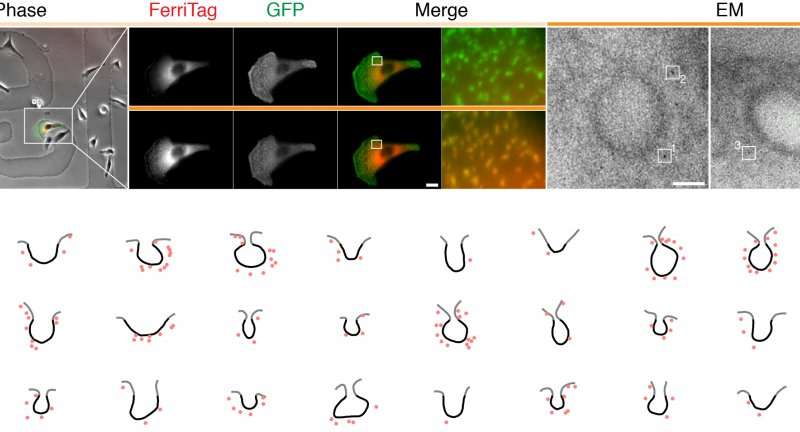
Scientists at the University of Warwick have created a new way to view proteins that are inside human cells.
Using Ferritin, a large protein shell that our cells use to store iron, the researchers have found a method they have...

A hiker gets disoriented while on a desert trek when she comes upon a drying puddle left by a recent rain.
Consumed by thirst, miles from home, the hiker must decide whether to drink and risk infection from whatever bacteria...

Researchers at The University of Texas at Austin have designed a way to sense dangerous chemicals using, in part, a simple rig consisting of a smartphone and a box made from Lego bricks, which could help first responders and...
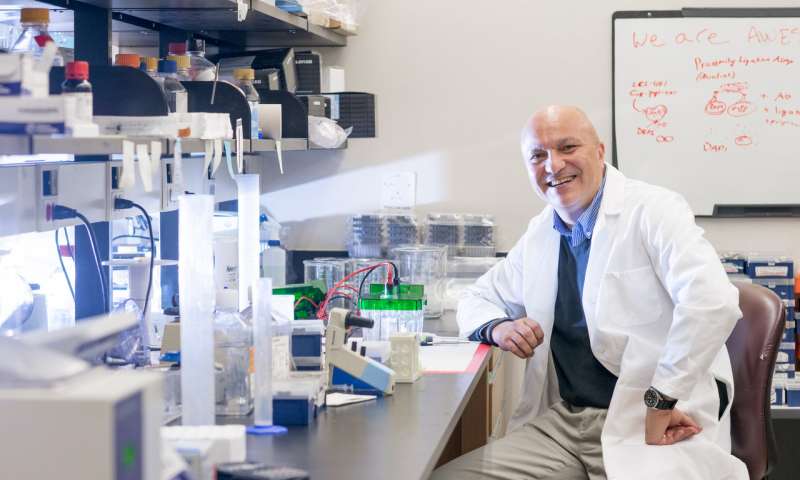
Scientists at Hollings Cancer Center at the Medical University of South Carolina have found that human lung cancer cells resist dying by controlling parts of the aging process, in results published online May 10th in the Journal of Biological...
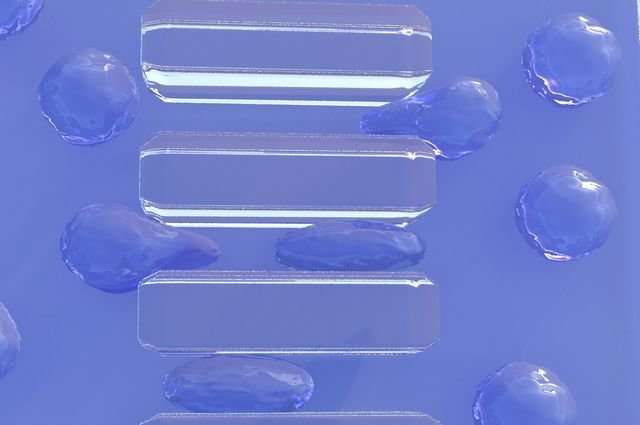
UCLA researchers have developed synthetic T lymphocytes, or T cells, that are near-perfect facsimiles of human T cells.
The ability to create the artificial cells could be a key step toward more effective drugs to treat cancer and autoimmune diseases...

Chemical secrets of a plant used throughout history for its calming effects have been revealed in new research.
These new findings came from research into Indian Snakeroot (Rauwolfia serpentina) which has been used for millennia in South and South East-Asia...

Colorado State University polymer chemists have taken another step toward a future of high-performance, biorenewable, biodegradable plastics.
Publishing in Nature Communications, the team led by Professor of Chemistry Eugene Chen describes chemical synthesis of a polymer called bacterial poly(3-hydroxybutyrate) –...

The complex 3-D structure of one of the world's most lethal families of plant viruses has been revealed in unprecedented detail by scientists at the UK's University of Leeds.
Geminiviruses are responsible for diseases affecting crops such as cassava and...

Bacteria found in soil may harbor a potential game-changer for drug design. A new study by Scripps Research, published today in Nature Communications, suggests scientists could build better drugs by learning from bacteria-derived molecules called thiocarboxylic acids.
The finding comes...
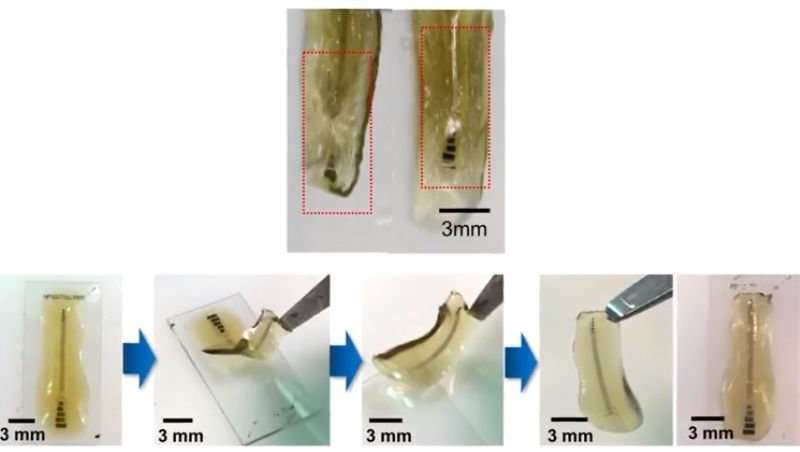
The nervous system is loaded with encoded information: thoughts, emotions, motor control. This system in our bodies is an enigma, and the more we can do to understand it, the more we can do to improve human life. Brain-machine...


