




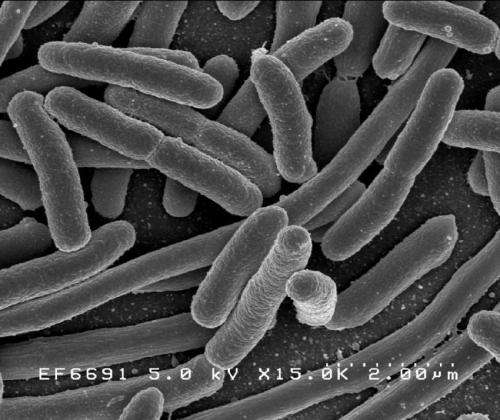
A genetic disruption strategy developed by University of Colorado Boulder researchers effectively stymies the evolution of antibiotic-resistant bacteria such as E. coli, giving scientists a crucial leg up in the ongoing battle against deadly superbugs.
These multidrug-resistant pathogens—which adapt to...

The reintroduction of wolves into Yellowstone National Park is tied to the recovery of aspen in areas around the park, according to a new study.
The study was published today in the journal Ecosphere.
This is the first large-scale study to...

Researchers at The University of Texas at Austin have developed a new approach to treating cancer using enzyme therapy.
The enzyme, PEG-KYNase, does not directly kill cancer cells but instead empowers the immune system to eradicate unwanted cells on its...
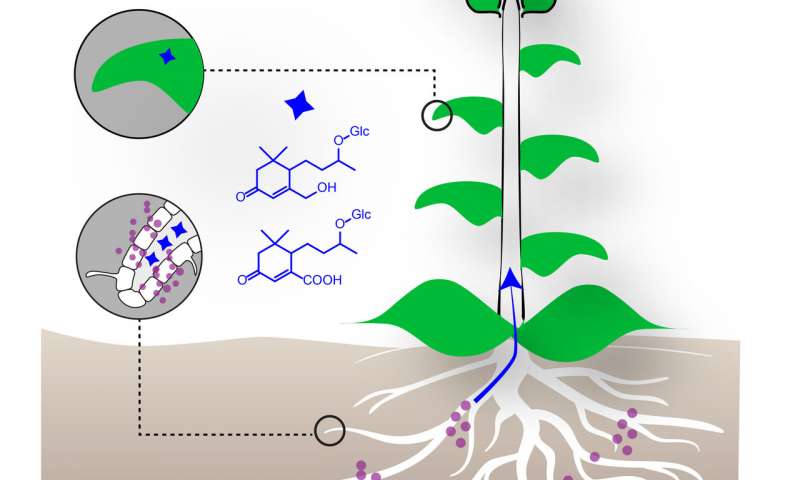
In nature, most plants establish mutual relationships with root fungi, so-called mycorrhiza. Mycorrhizal fungi facilitate the plants' nutrient uptake and help them thrive under extreme conditions. Researchers at the Max Planck Institute for Chemical Ecology in Jena, Germany, discovered...
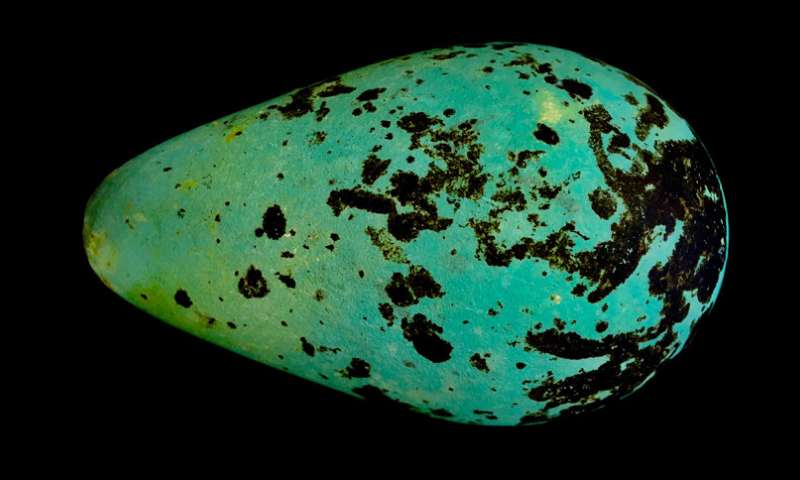
A centuries-old mystery behind the shape of a bird's egg has been solved by scientists at the University of Sheffield as part of one of the longest-running scientific studies of its kind.
The study, led by Professor Tim Birkhead from...
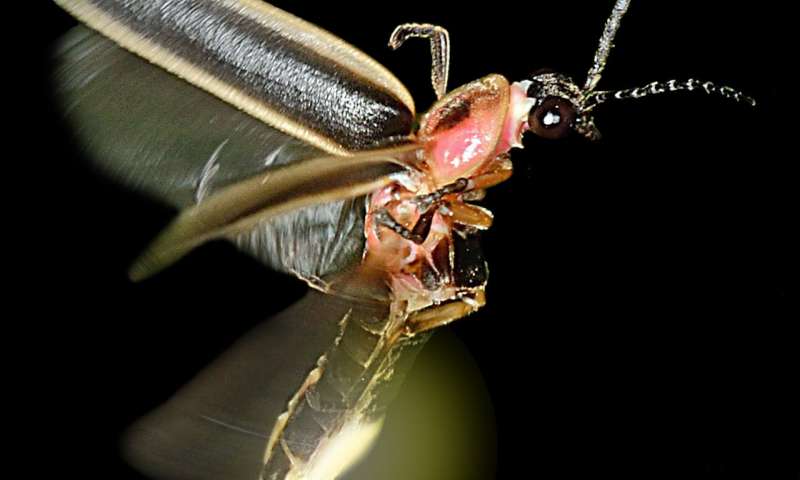
Fireflies flash not just for sex, but survival, a new study suggests.
Scientists wanted to find out if there's more to the lightning bug's signature blinking glow than finding a mate. Some experts had speculated it was a glaring signal...

If you've got an unemployed, 30-year-old adult child still living in the basement, fear not.
A new large-data study of fossil and extant bivalves and gastropods in the Atlantic Ocean suggests laziness might be a fruitful strategy for survival of...

Newly-discovered genes that helped supersize human brains along with DNA retrieved from extinct humans, which can still be found in people living today, are expanding scientists' understanding of how our species evolved.
One of the major features that distinguish humans...

Leaves provide us with food, forest canopies and football fields. Every leaf grows from only a few cells.
But what guides these cells to become the leaf shapes we recognise in the natural world?
One idea is that the hundreds of...

A new study led by scientists from the University of Bristol has used a combination of genomic and fossil data to explain the history of life on Earth, from its origin to the present day.
Palaeontologists have long sought to...

To understand how cells in the body behave, bioengineers create miniature models of the cells' environment in their lab. But recreating this niche environment is incredibly complex in a controlled setting, because researchers are still learning all the factors...


