




Scientists from The University of Manchester have found a way to trick the eye into thinking the world is brighter than it actually is.
Using a chemical compound, the team activated a small group of retinal neurons in dim light,...

Water flow through plants is critical to our food supply: without proper water flow, plants cannot carry out photosynthesis, or grow or reliably produce flowers, fruit or seeds. Water flows within specialized structures from the roots, through the stem...
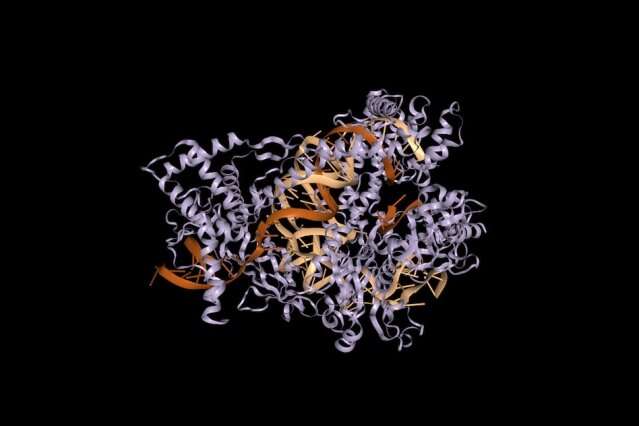
A team that includes the scientist who first harnessed the revolutionary CRISPR-Cas9 and other systems for genome editing of eukaryotic organisms, including animals and plants, has engineered another CRISPR system, called Cas12b. The new system offers improved capabilities and...

Food additives known as dietary emulsifiers, commonly found in processed foods to improve texture and extend shelf life, may adversely affect anxiety-related and social behaviors in mice, Georgia State researchers have found.
The scientists also observed sex differences in the...

Often considered immortal, the freshwater Hydra can regenerate any part of its body, a trait discovered by the Geneva naturalist Abraham Trembley nearly 300 years ago. Any fragment of its body containing a few thousands cells can regenerate the...

Three in five species of wild coffee are at risk of extinction as a deadly mix of climate change, disease and deforestation puts the future of the world's favourite beverage in jeopardy, new research warned Wednesday.
More than two billion...

A University of Wisconsin-Madison researcher and his collaborators at the University of California, San Francisco have repurposed the gene-editing tool CRISPR to study which genes are targeted by particular antibiotics, providing clues on how to improve existing antibiotics or...

Patients with cystic fibrosis are often infected by pseudomonas aeruginosa, a bacterium that infects the lungs and prevents breathing, often causing death.
P. aeruginosa itself can also be infected by viruses, which can affect the clinical outcomes of cystic fibrosis...
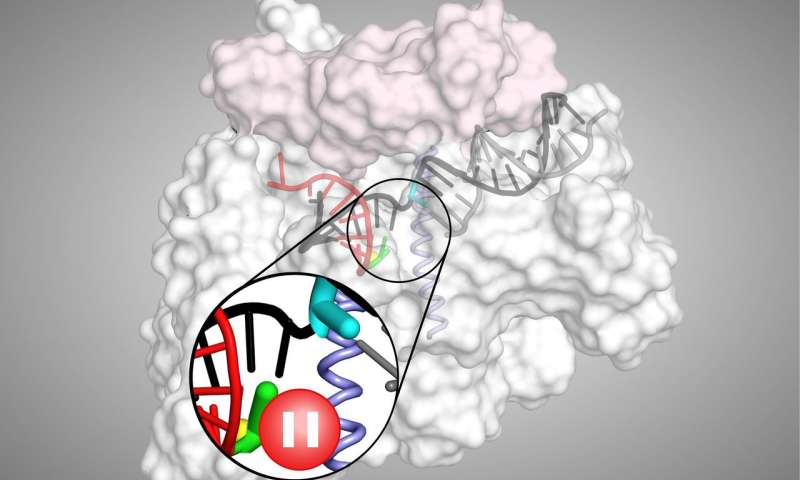
Researchers have provided new insight on the mechanism underlying the control of gene expression in all living organisms, according to a study published today in eLife.
The findings, first reported on bioRxiv, could ultimately improve our understanding of how certain...

DNA regions susceptible to breakage and loss are genetic hot spots for important evolutionary changes, according to a Stanford study. The findings may lead to new understanding of human evolution.
Regions of DNA susceptible to deletion during replication may have...

Plants convert sunlight into energy through photosynthesis; however, most crops on the planet are plagued by a photosynthetic glitch, and to deal with it, evolved an energy-expensive process called photorespiration that drastically suppresses their yield potential. Researchers from the...


