




Scientists have used genome sequencing to reveal the extent to which a drug-resistant gastrointestinal bacterium can spread within a hospital, highlighting the challenge hospitals face in controlling infections.
Enterococcus faecium is a bacterium commonly found in the gastrointestinal tract, where...
Researchers from the University of Seville, in collaboration with colleagues from the Universities of Murcia and Marburg (Germany) have identified a new protein that makes it possible to repair DNA. The protein in question, called cryptochrome, has evolved to...
The dominant thinking in evolution focuses on inheritance between parent and offspring – or 'vertical gene transfer (VGT)'.
But now scientists are paying more attention to 'horizontal gene transfer (HGT)': the transmission of DNA other than from parent to offspring,...

A team led by scientists in the Perelman School of Medicine at the University of Pennsylvania has engineered powerful new antimicrobial molecules from toxic proteins found in wasp venom. The team hopes to develop the molecules into new bacteria-killing...
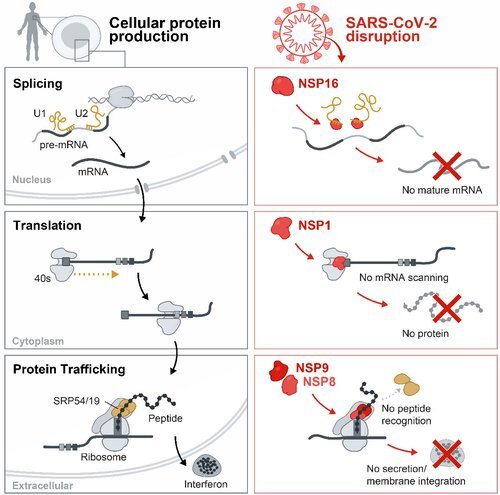
As the world is more than half a year into the COVID-19 pandemic, doctors and researchers have a fairly good idea of what the main symptoms of the disease look like: cough, fever, shortness of breath, and fatigue, among...

Each year, the flu vaccine has to be redesigned to account for mutations that the virus accumulates, and even then, the vaccine is often not fully protective for everyone.
Researchers at MIT and the Ragon Institute of MIT, MGH, and...

Humans haven't developed genetic mutations for telepathy or superpowers just yet, but a new study shows our species is still evolving in unique ways and changes in the natural selection could be the major reason.
An investigation by Dr. Teghan...
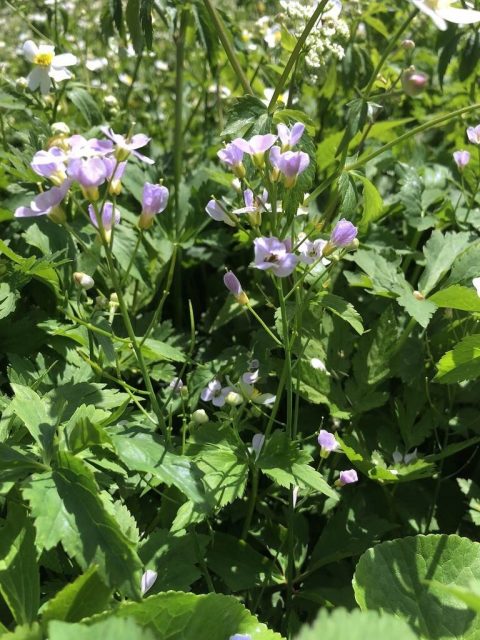
A new plant species named Cardamine insueta appeared in the region of Urnerboden in the Swiss alps, after the land has changed from forest to grassland over the last 150 years. The inheritance of two key traits from its...

An Oregon State University study has identified four new species of parasitic, cockroach-killing ensign wasps that became encased in tree resin 25 million years ago and were preserved as the resin fossilized into amber.
"Some species of ensign wasps have even been...

A novel optical switch makes it possible to precisely control the lifespan of genetic copies. These are used by the cell as building instructions for the production of proteins. The method was developed by researchers from the universities of...
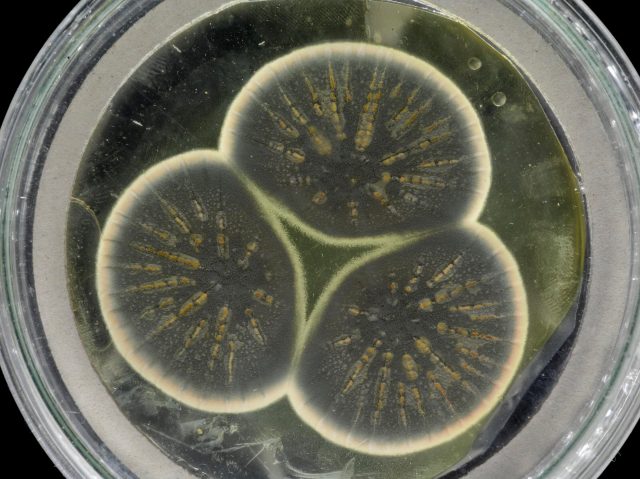
Researchers have sequenced the genome of Alexander Fleming's penicillin mould for the first time and compared it to later versions.
Alexander Fleming famously discovered the first antibiotic, penicillin, in 1928 while working at St Mary's Hospital Medical School, which is now...


