


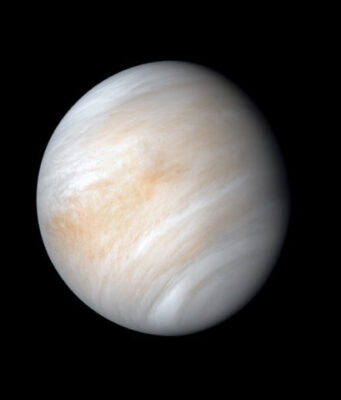


As planets in our solar system go, Venus is one for the textbooks.
Although about the same size as Earth, Venus is a terrestrial planet with a similar composition to our planet, and has about the same proximity to the sun. But...
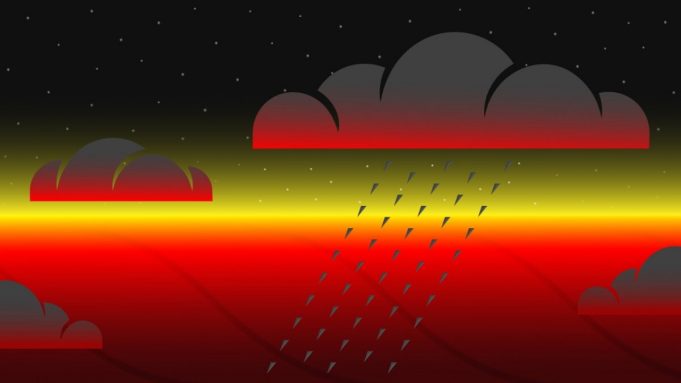
A new study by McGill University astronomers has found that the temperature on the nightsides of different hot Jupiters is surprisingly uniform, suggesting the dark side of these massive gaseous planets have clouds made of minerals and rocks.
Using data...
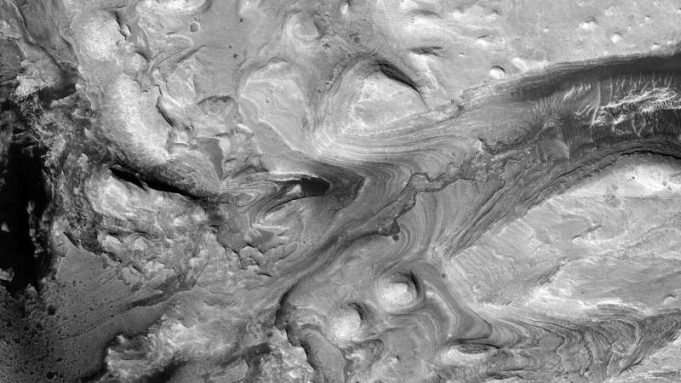
For centuries, miners have burrowed into the earth in search of salt—laid down in thick layers from ancient oceans long since evaporated. When scientists saw huge deposits of salt on Mars, they immediately wondered whether it meant Mars too...
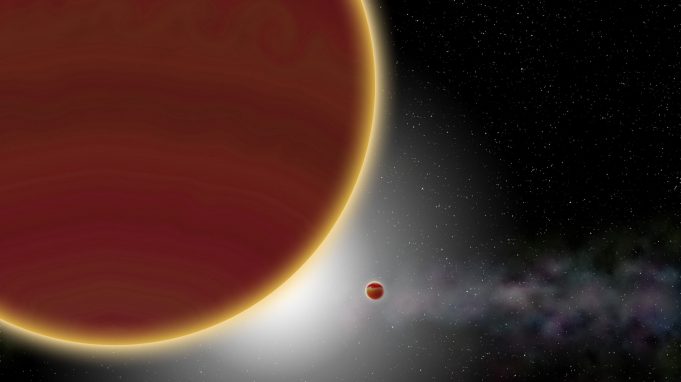
A second planet has been discovered circling Beta Pictoris, a fledgling star in our own galaxy offering astronomers a rare glimpse of a planetary system in the making, according to a study published Monday.
"We talking about a giant planet...
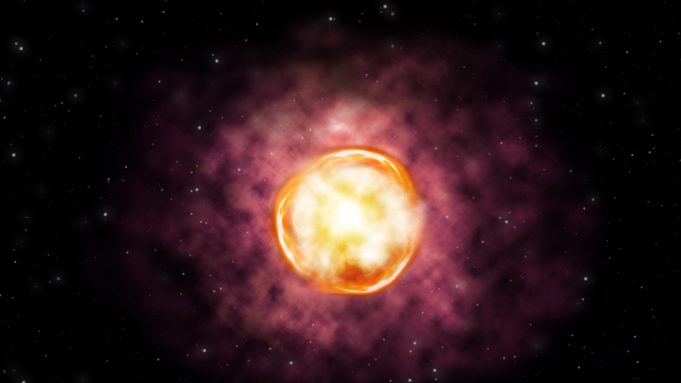
A renegade star exploding in a distant galaxy has forced astronomers to set aside decades of research and focus on a new breed of supernova that can utterly annihilate its parent star—leaving no remnant behind. The signature event, something...

A new study provides the most accurate estimate of the frequency that planets that are similar to Earth in size and in distance from their host star occur around stars similar to our Sun. Knowing the rate that these...
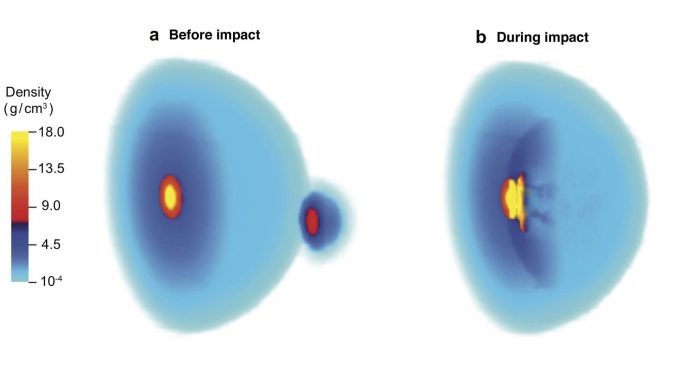
A colossal, head-on collision between Jupiter and a still-forming planet in the early solar system, about 4.5 billion years ago, could explain surprising readings from NASA's Juno spacecraft, according to a study this week in the journal Nature.
Astronomers from Rice...
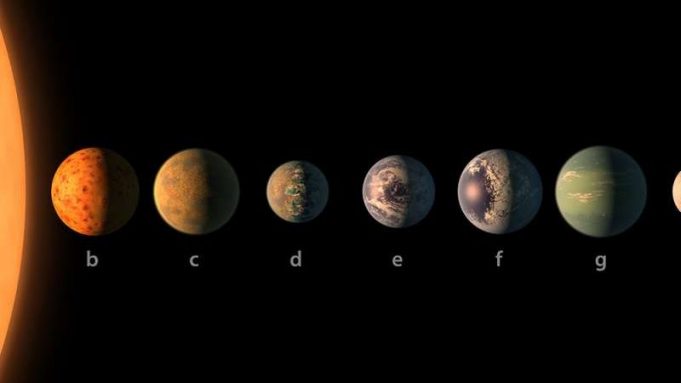
New research from astronomers at the University of Washington uses the intriguing TRAPPIST-1 planetary system as a kind of laboratory to model not the planets themselves, but how the coming James Webb Space Telescope might detect and study their...
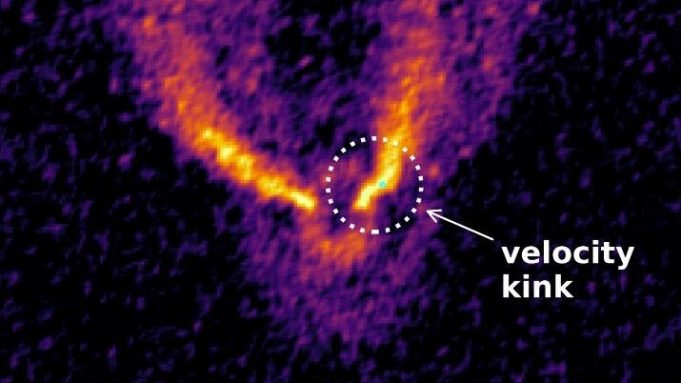
Monash astrophysicists using the ALMA telescope in Chile have a made a world-first discovery with the sighting of a second new 'baby' planet (two to three times heavier than Jupiter) inside a gas and dust gap.
The research team were...
Neutron stars are not only the most dense objects in the Universe, but they rotate very fast and regularly. Until they don't.
Occasionally these neutron stars start to spin faster, caused by portions of the inside of the star moving outwards. It's...
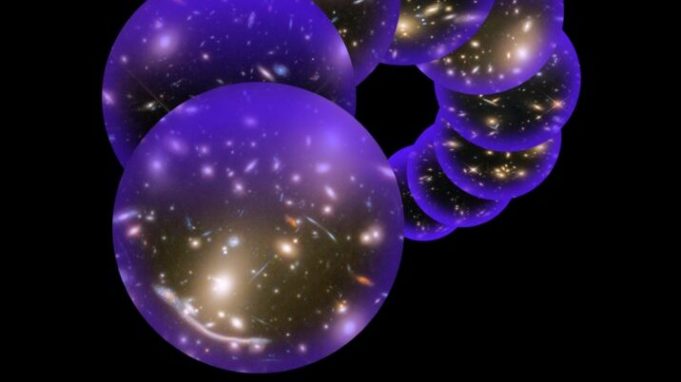
How do galaxies such as our Milky Way come into existence? How do they grow and change over time? The science behind galaxy formation has remained a puzzle for decades, but a University of Arizona-led team of scientists is...


