





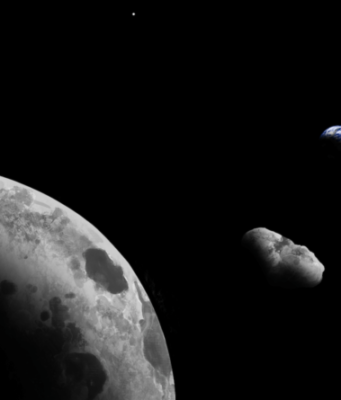
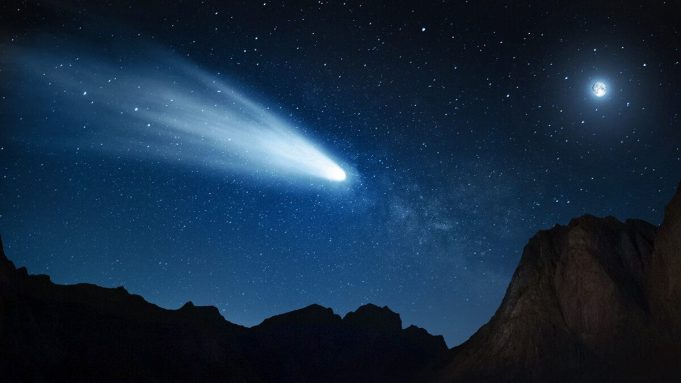
A new study led by a University of Central Florida researcher may fundamentally alter our understanding of how comets arrive from the outskirts of the solar system and are funneled to the inner solar system coming closer to Earth.
In...
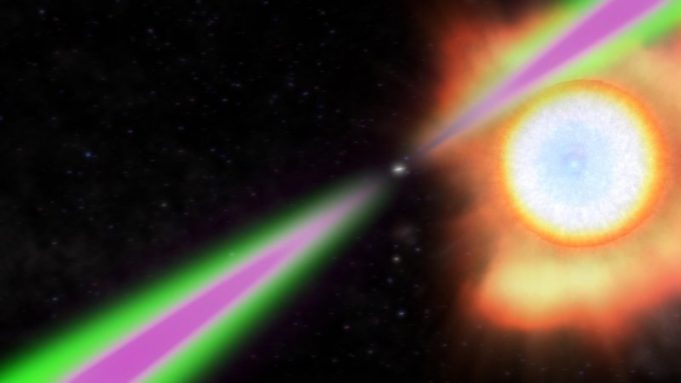
An international research team led by the Max Planck Institute for Gravitational Physics (Albert Einstein Institute; AEI) in Hannover has discovered that the radio pulsar J0952-0607 also emits pulsed gamma radiation. J0952-0607 spins 707 times in one second and...
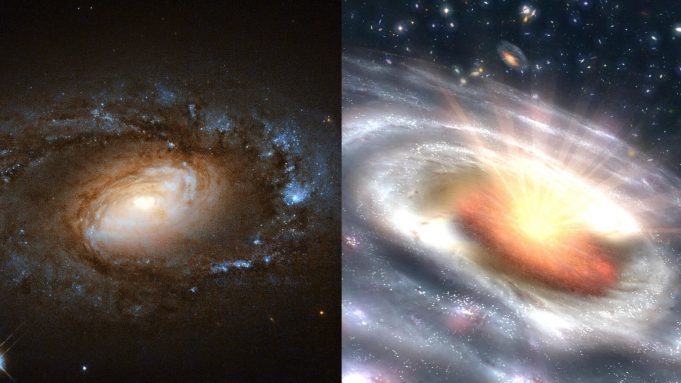
Galaxies come in a wide variety of shapes, sizes and brightnesses, ranging from humdrum ordinary galaxies to luminous active galaxies. While an ordinary galaxy is visible mainly because of the light from its stars, an active galaxy shines brightest...
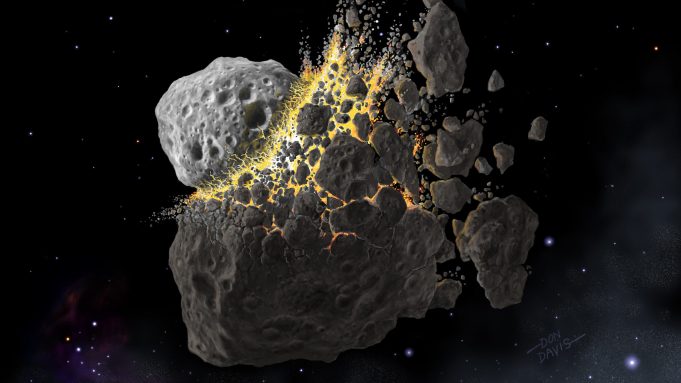
About 466 million years ago, long before the age of the dinosaurs, the Earth froze. The seas began to ice over at the Earth's poles, and the new range of temperatures around the planet set the stage for a...
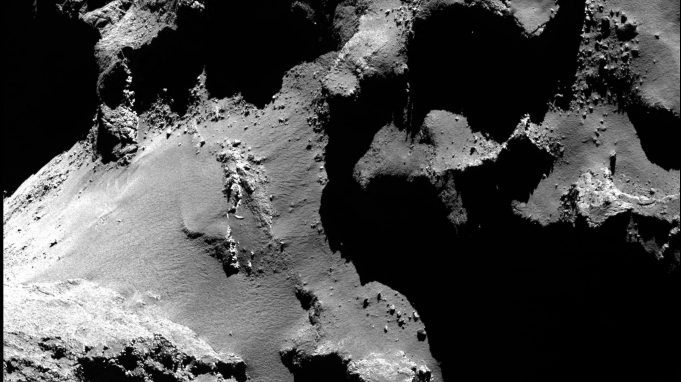
Scientists analyzing the treasure trove of images taken by ESA's Rosetta mission have turned up more evidence for curious bouncing boulders and dramatic cliff collapses.
Rosetta operated at Comet 67P/Churyumov-Gerasimenko between August 2014 and September 2016, collecting data on the...

Neutron stars -- the compressed remains of massive stars gone supernova -- are the densest "normal" objects in the known universe. (Black holes are technically denser, but far from normal.) Just a single sugar-cube worth of neutron-star material would...
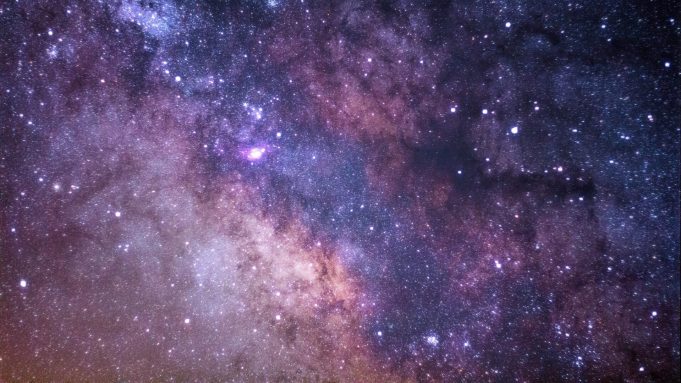
New research by Kent astrophysicists reveals vital clues about the role recycling plays in the formation of life in our universe.
By investigating the different stages in the life journey of stars and gaining new knowledge about their evolutionary cycle, scientists at the Centre...
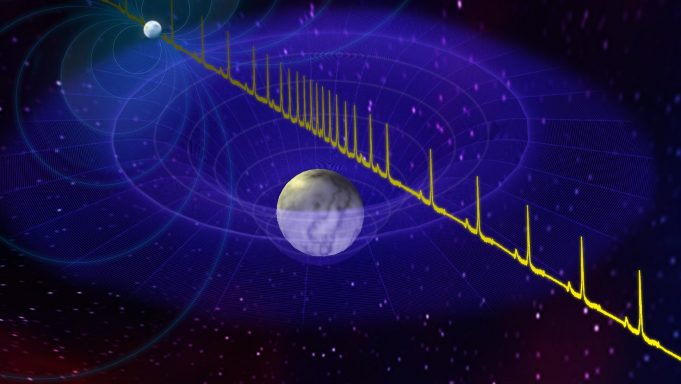
West Virginia University researchers have helped discover the most massive neutron star to date, a breakthrough uncovered through the Green Bank Telescope in Pocahontas County.
The neutron star, called J0740+6620, is a rapidly spinning pulsar that packs 2.17 times the mass of the...
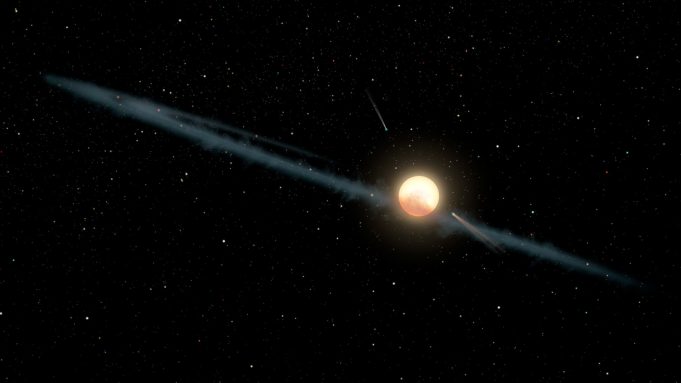
For years, astronomers have looked up at the sky and speculated about the strange dimming behavior of Tabby's Star.
First identified more than a century ago, the star dips in brightness over days or weeks before recovering to its previous...
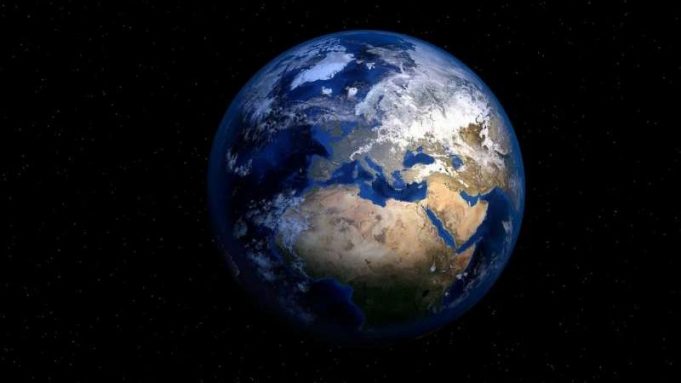
Life is unique to our planet. Or is it?
Central to this question is the emergence of plate tectonics, which transported oxygen and water from the Earth's interior to the atmosphere and formed mountain highs and deep oceans, where life...
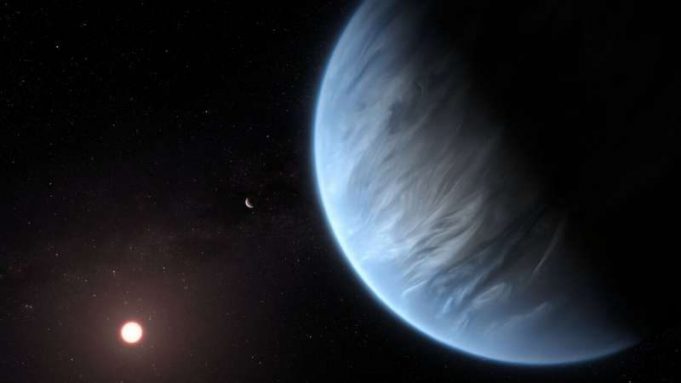
K2-18b, which is eight times the mass of Earth, is now the only planet orbiting a star outside the Solar System, or 'exoplanet', known to have both water and temperatures that could support life.
The discovery, published today in Nature Astronomy,...


