



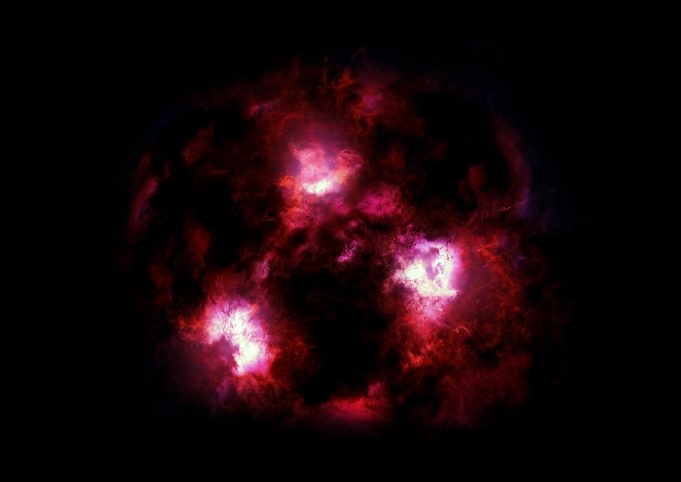
Astronomers accidentally discovered the footprints of a monster galaxy in the early universe that has never been seen before. Like a cosmic Yeti, the scientific community generally regarded these galaxies as folklore, given the lack of evidence of their...
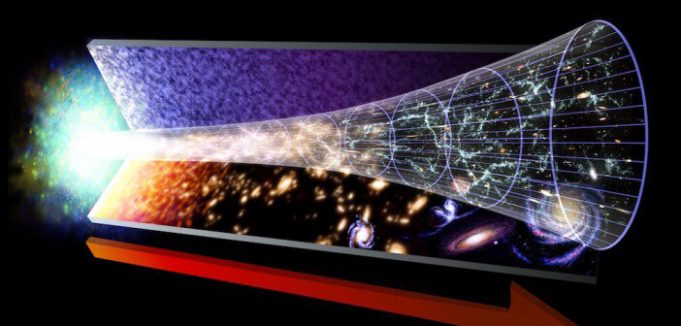
The universe bathes in a sea of light, from the blue-white flickering of young stars to the deep red glow of hydrogen clouds. Beyond the colors seen by human eyes, there are flashes of X-rays and gamma rays, powerful...
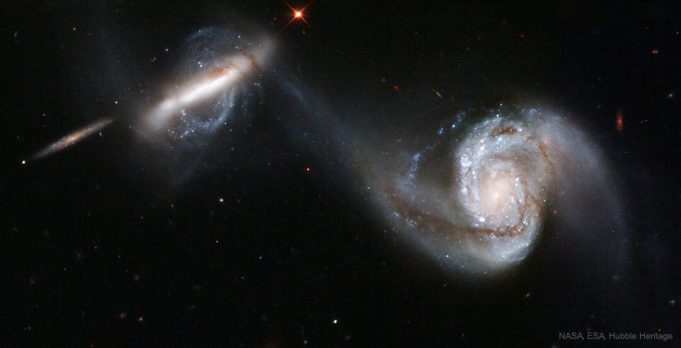
When two galaxies merge, there are brief periods of stellar baby booms. A group of astronomers led by Lingyu Wang (SRON Netherlands Institute for Space Research) has now used a sample of over 200,000 galaxies to confirm that galaxy...

Earth-like planets may be common in the universe, a new UCLA study implies. The team of astrophysicists and geochemists presents new evidence that the Earth is not unique. The study was published in the journal Science on Oct. 18.
"We have just...
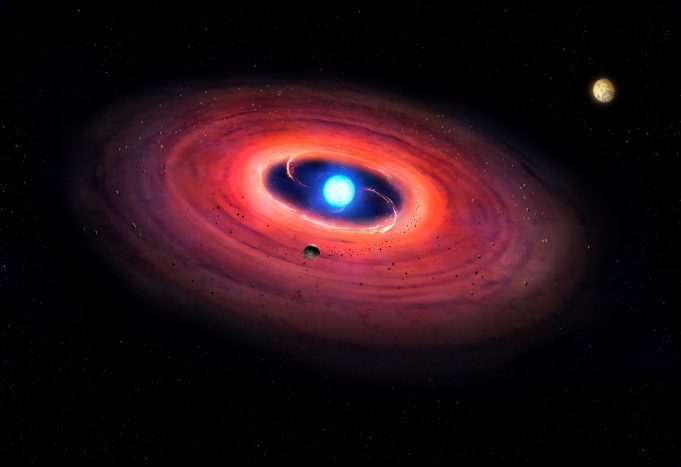
Earth-like planets may be common in the universe, a new UCLA study implies. The team of astrophysicists and geochemists presents new evidence that the Earth is not unique. The study was published in the journal Science on Oct. 18.
"We have just...
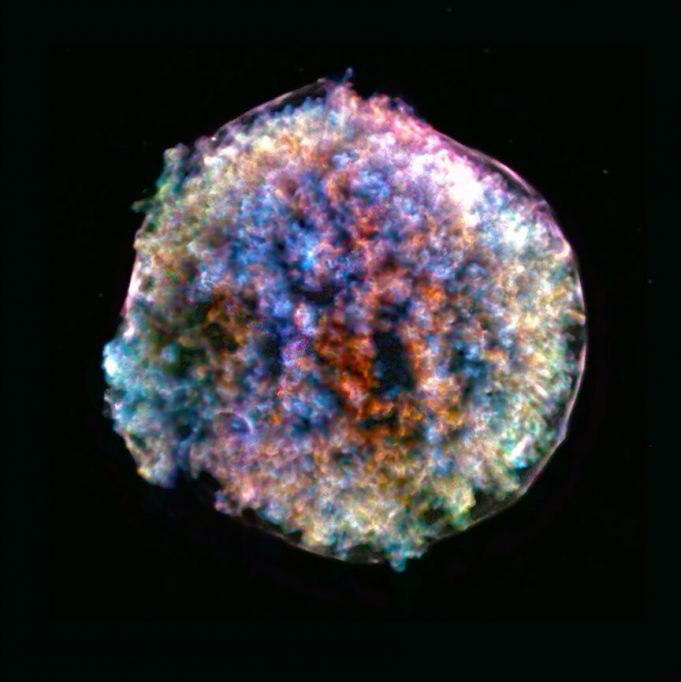
In 1572, Danish astronomer Tycho Brahe was among those who noticed a new bright object in the constellation Cassiopeia. Adding fuel to the intellectual fire that Copernicus started, Tycho showed this "new star" was far beyond the Moon, and that...
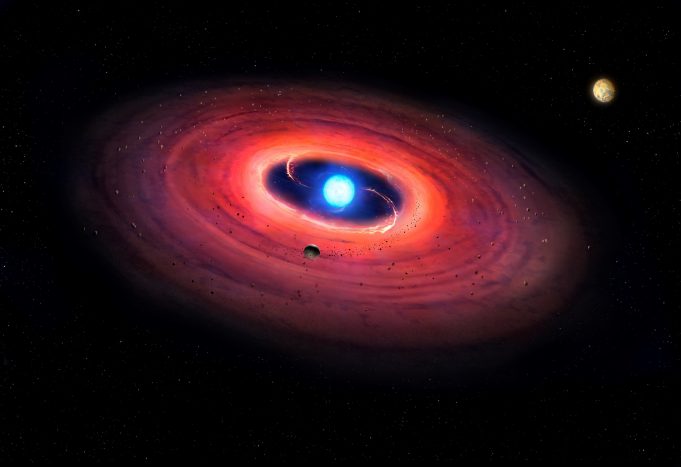
Earth-like planets may be common in the universe, a new UCLA study implies. The team of astrophysicists and geochemists presents new evidence that the Earth is not unique. The study was published in the journal Science on Oct. 18.
"We have just...
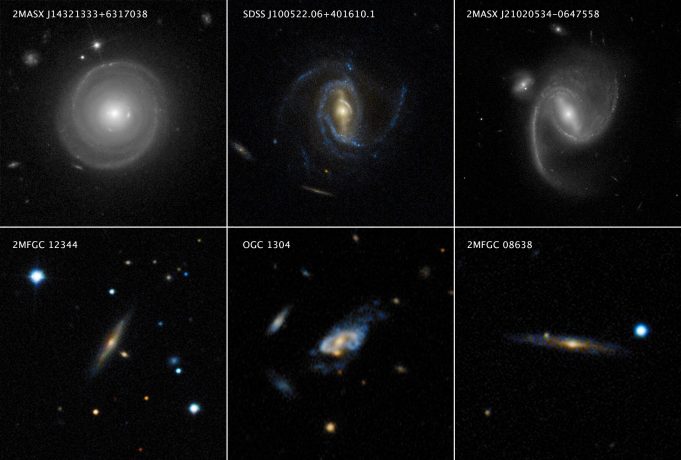
When it comes to galaxies, how fast is fast? The Milky Way, an average spiral galaxy, spins at a speed of 130 miles per second (210 km/sec) in our Sun's neighborhood. New research has found that the most massive...
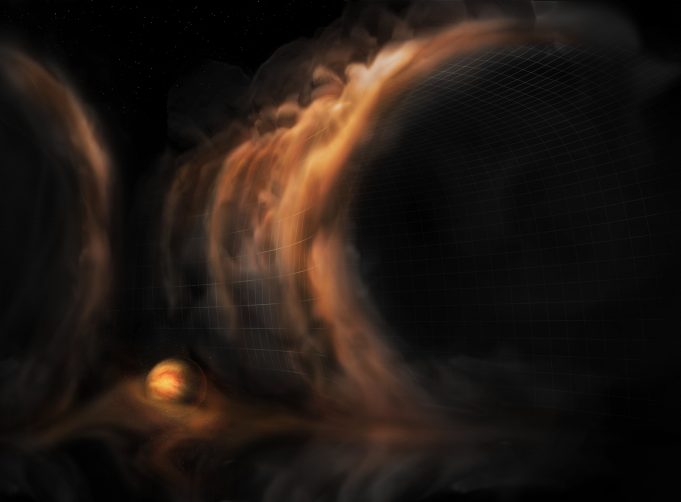
The birthplaces of planets are disks made out of gas and dust. Astronomers study these so-called protoplanetary disks to understand the processes of planet formation. Beautiful images of disks made with the Atacama Large Millimeter/submillimeter Array (ALMA) how distinct...
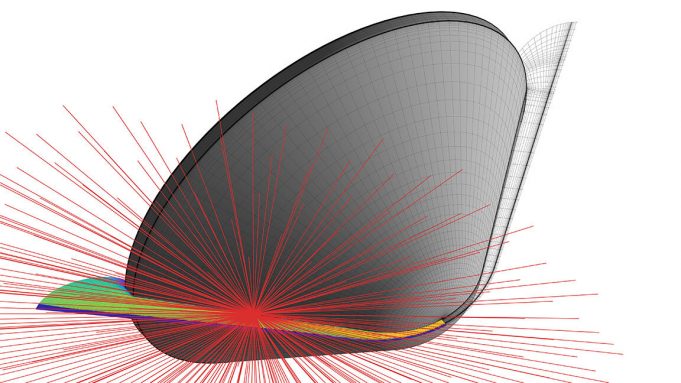
The entry probe of the Galileo mission to Jupiter entered the planet's atmosphere in 1995 in fiery fashion. As the probe descended from Mach 50 to Mach 1 and generated enough heat to cause plasma reactions on its surface,...
Astronomers at MIT and elsewhere have used a massive cluster of galaxies as an X-ray magnifying glass to peer back in time, to nearly 9.4 billion years ago. In the process, they spotted a tiny dwarf galaxy in its...


