





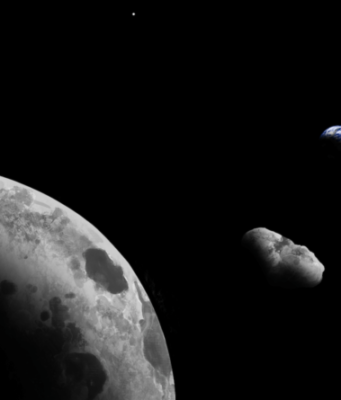

A hot, metallic, Earth-sized planet with a density similar to Mercury—situated 340 light years away—has been detected and characterised by a global team of astronomers, including the University of Warwick.
Named K2-229b, the planet is almost 20% larger than Earth...
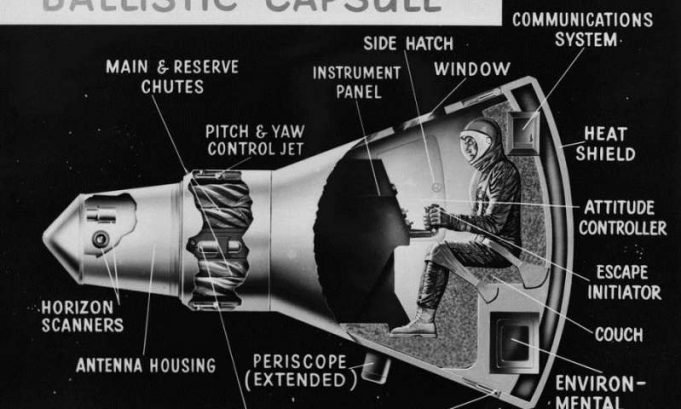
NASA's Project Mercury was the United States' first human-in-space program. Between 1961 and 1963, six astronauts carried out successful one-person spaceflights that offered physicians and scientists the first opportunity to observe the effects of living in space on the...
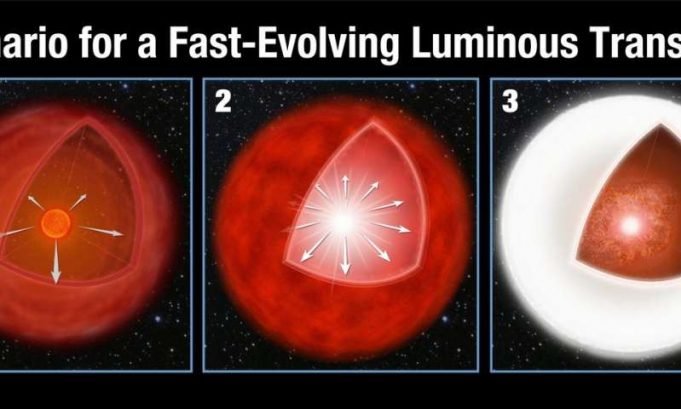
The universe is full of mysterious exploding phenomena that go boom in the dark. One particular type of ephemeral event, called a Fast-Evolving Luminous Transient (FELT), has bewildered astronomers for a decade because of its very brief duration.
Now, NASA's...
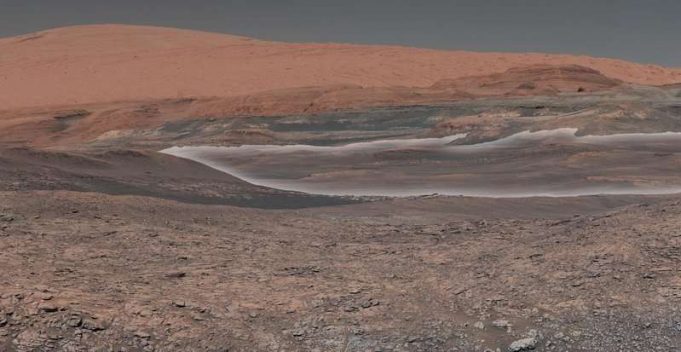
NASA's Mars Curiosity rover just hit a new milestone: its two-thousandth Martian day, or sol, on the Red Planet. An image mosaic taken by the rover in January offers a preview of what comes next.
Looming over the image is...
A defunct Chinese space station, Tiangong-1, is expected to fall to Earth any day now—on March 31, give or take a few days. When it does, it will be the largest manmade object to re-enter Earth's atmosphere in a...
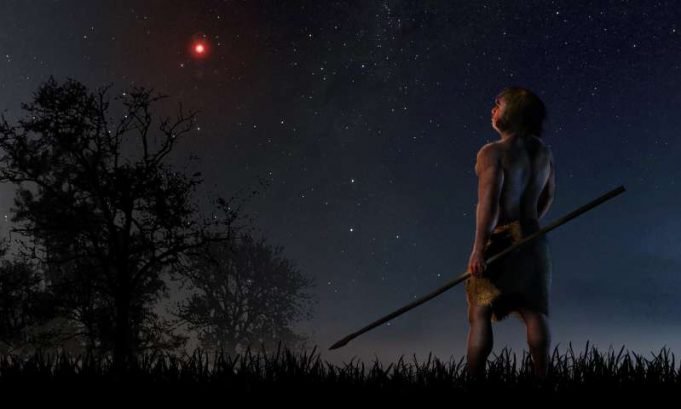
About 70,000 years ago, during human occupation of the planet, a small, reddish star approached our solar system and gravitationally disturbed comets and asteroids. Astronomers from the Complutense University of Madrid and the University of Cambridge have verified that...
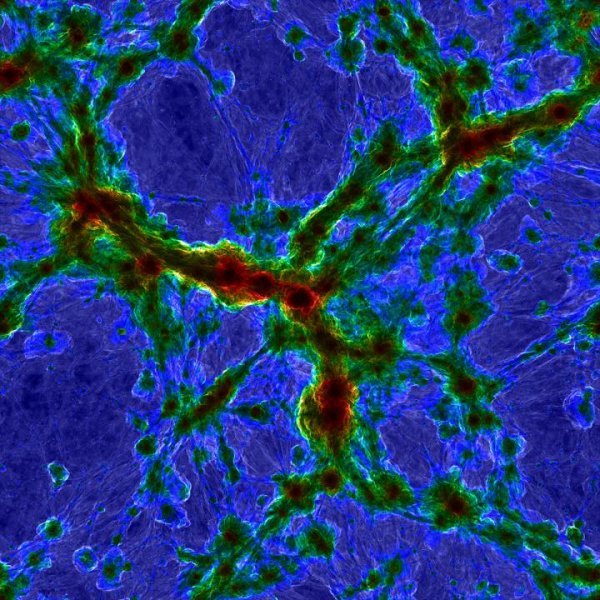
Humans have long tried to explain how stars came to light up the night sky. The wide array of theories throughout history have one common (and correct) governing principle that astrophysicists still use to this day: by understanding the...

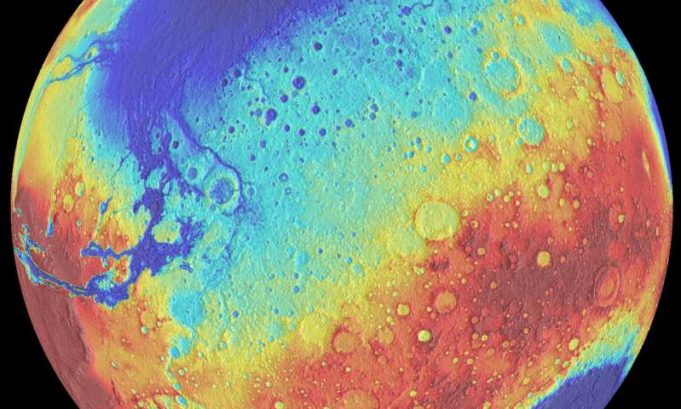
A new scenario seeking to explain how Mars' putative oceans came and went over the last 4 billion years implies that the oceans formed several hundred million years earlier and were not as deep as once thought.
The proposal by...
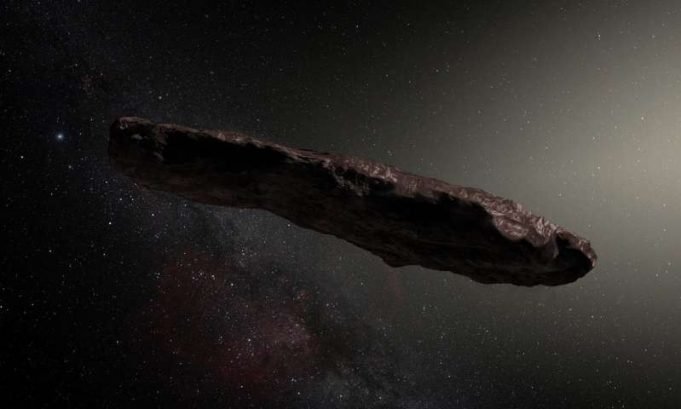
New research finds that 'Oumuamua, the rocky object identified as the first confirmed interstellar asteroid, very likely came from a binary star system.
"It's remarkable that we've now seen for the first time a physical object from outside our Solar System," says...

On Nov. 11, 2014, a global network of telescopes picked up signals from 300 million light years away that were created by a tidal disruption flare—an explosion of electromagnetic energy that occurs when a black hole rips apart a...
New research has revealed that a giant impact on Mars more than four billion years ago would explain the unusual amount of "iron loving" elements in the Red Planet.
Planets form as small dust grains stick together and agglomerate with...


