



A new finding by researchers at the University of Chicago promises to improve the speed and reliability of current and next generation quantum computers by as much as ten times. By combining principles from physics and computer science, the...
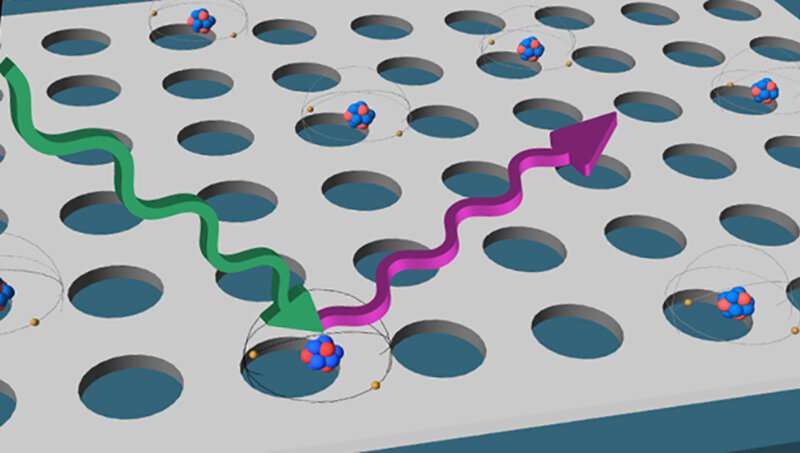
Ultra-secure online communications, completely indecipherable if intercepted, is one step closer with the help of a recently published discovery by University of Oregon physicist Ben Alemán.
Alemán, a member of the UO's Center for Optical, Molecular, and Quantum Science, has...

In quantum physics, a vacuum is not empty, but rather steeped in tiny fluctuations of the electromagnetic field. Until recently it was impossible to study those vacuum fluctuations directly. Researchers at ETH Zurich have developed a method that allows...
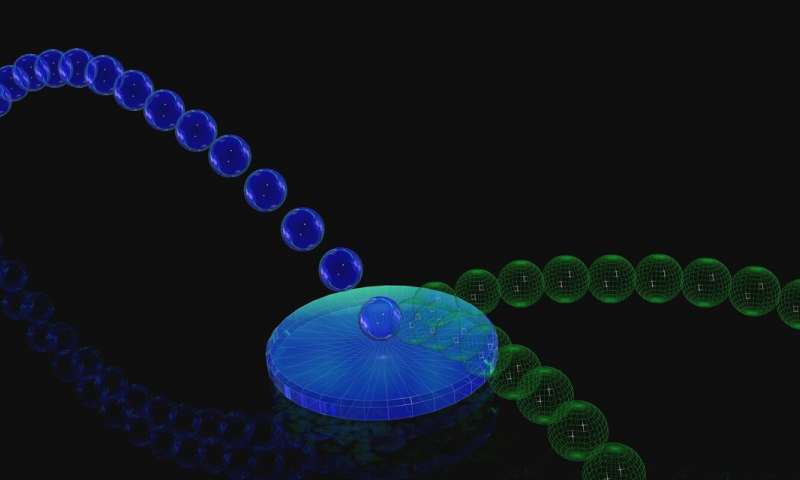
In the 2018 movie Avengers: Infinity War, a scene featured Dr. Strange looking into 14 million possible futures to search for a single timeline in which the heroes would be victorious. Perhaps he would have had an easier time with...

With a little physics ingenuity, scientists have designed a way to redistribute electricity on a small scale, potentially opening new avenues of research into more energy-efficient computing.
In a new study, researchers at the U.S. Department of Energy's (DOE) Argonne...
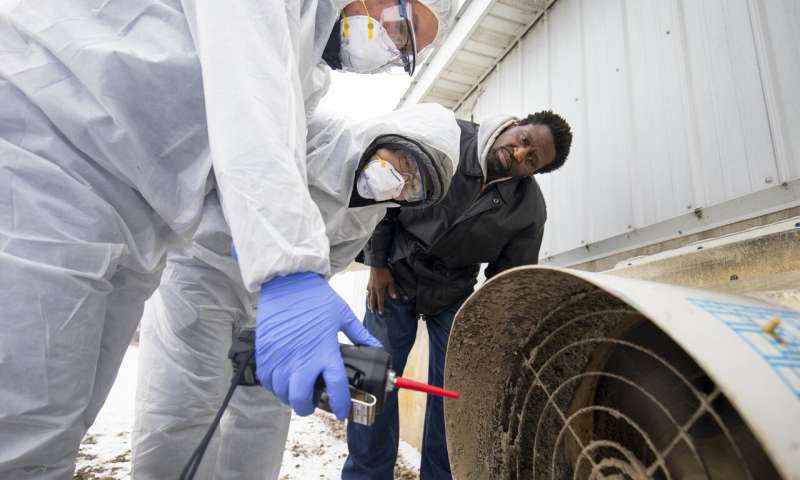
Dangerous airborne viruses are rendered harmless on-the-fly when exposed to energetic, charged fragments of air molecules, University of Michigan researchers have shown.
They hope to one day harness this capability to replace a century-old device: the surgical mask.
The U-M engineers...
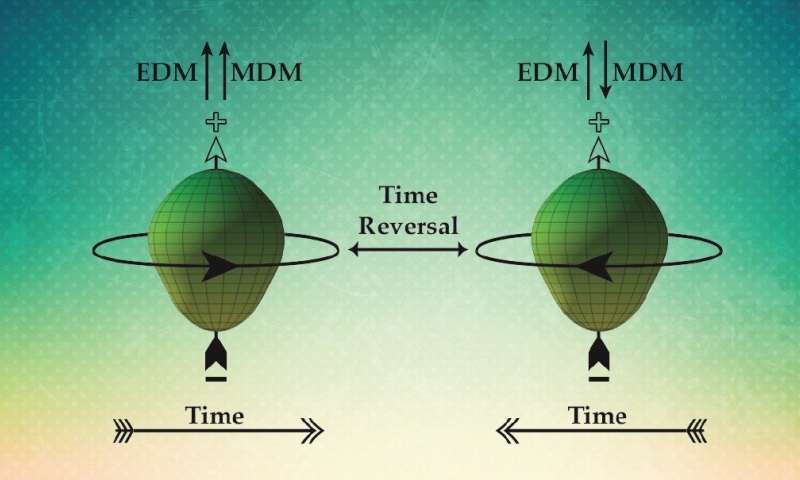
Why does the observable universe contain virtually no antimatter? Particles of antimatter have the same mass but opposite electrical charge of their matter counterparts. Very small amounts of antimatter can be created in the laboratory. However, hardly any antimatter...
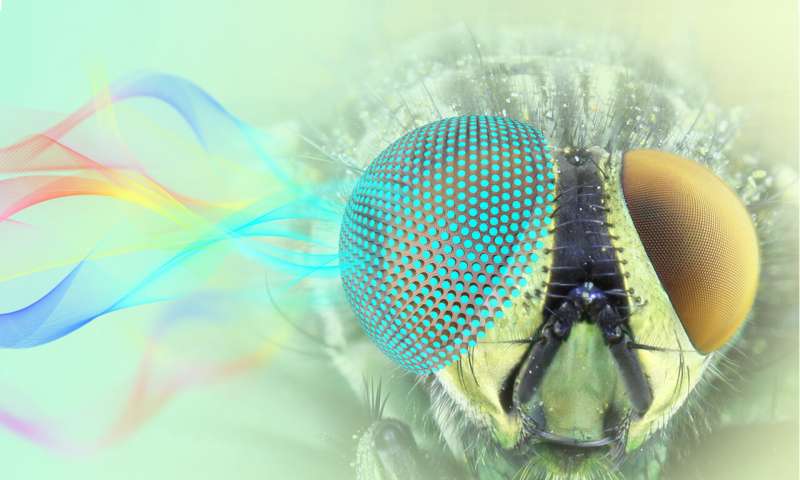
A team of engineers at Tufts University has developed a series of 3-D printed metamaterials with unique microwave or optical properties that go beyond what is possible using conventional optical or electronic materials. The fabrication methods developed by the...

Imagine pointing your smartphone at a salty snack you found at the back of your pantry and immediately knowing if its ingredients had turned rancid.
Devices called spectrometers can detect dangerous chemicals based on a unique "fingerprint" of absorbed and...

University of Central Florida researchers have developed a way to control the speed of light. Not only can they speed up a pulse of light and slow it down, they can also make it travel backward.
The results were published...
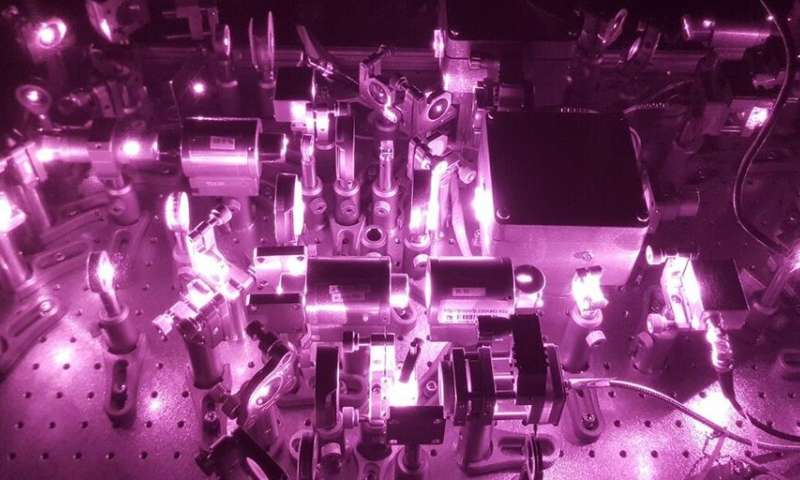
Trapping single atoms is a bit like herding cats, which makes researchers at the University of Colorado Boulder expert feline wranglers.
In a new study, a team led by physicist Cindy Regal showed that it could organize groups of individual atoms into...


