



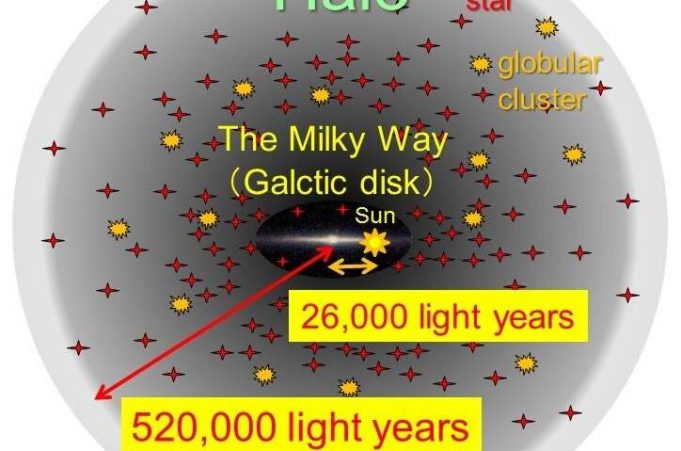
A team of researchers identified the outermost edge of the Milky Way galaxy. Using the Subaru Telescope, the researchers examined the boundary of the stellar system that makes up the galaxy. The ultimate size of the galaxy is 520,000...
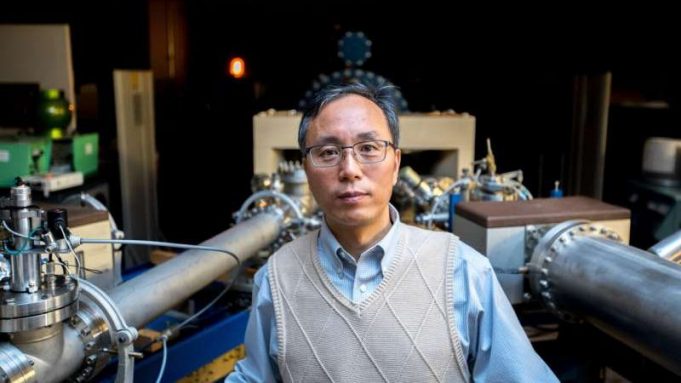
Researchers drew attention three years ago when they reported that a two-dimensional perovskite—a material with a specific crystal structure—composed of cesium, lead and bromine emitted a strong green light. Crystals that produce light on the green spectrum are desirable...

It's not an electron. But it sure does act like one.
Northwestern University researchers have made a strange and startling discovery that nanoparticles engineered with DNA in colloidal crystals -- when extremely small -- behave just like electrons. Not only...
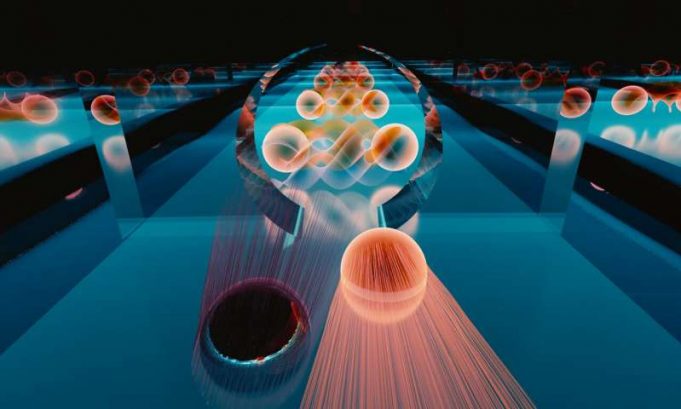
Researchers at the University of Maryland have captured the most direct evidence to date of a quantum quirk that allows particles to tunnel through a barrier like it's not even there. The result, featured on the cover of the...
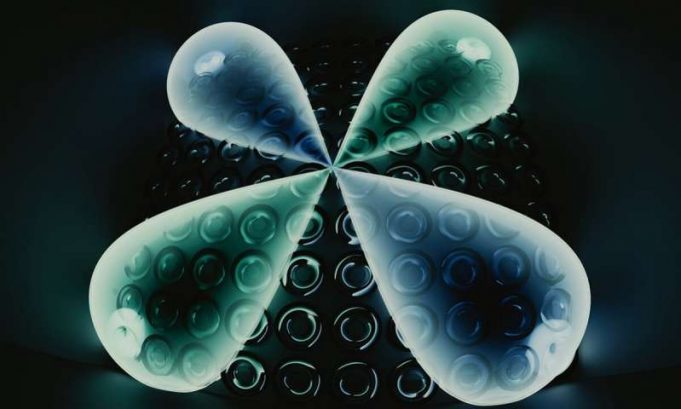
Researchers at the Joint Quantum Institute (JQI) have created the first silicon chip that can reliably constrain light to its four corners. The effect, which arises from interfering optical pathways, isn't altered by small defects during fabrication and could...

When a raindrop falls through a thundercloud, it is subject to strong electric fields that pull and tug on the droplet, like a soap bubble in the wind. If the electric field is strong enough, it can cause the...
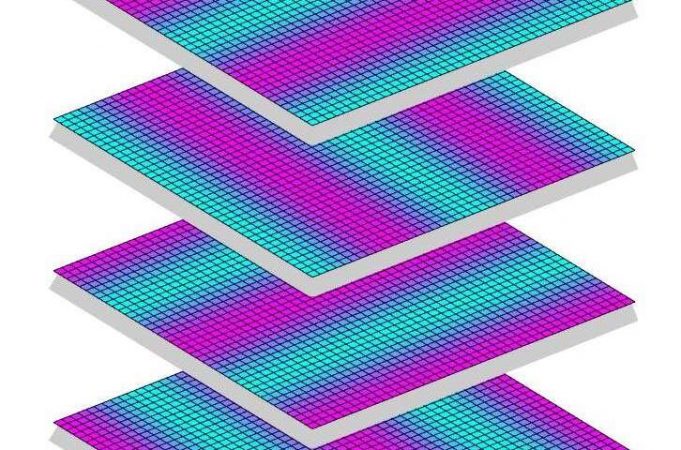
Scientists seeking to understand the mechanism underlying superconductivity in "stripe-ordered" cuprates—copper-oxide materials with alternating areas of electric charge and magnetism—discovered an unusual metallic state when attempting to turn superconductivity off. They found that under the conditions of their experiment,...
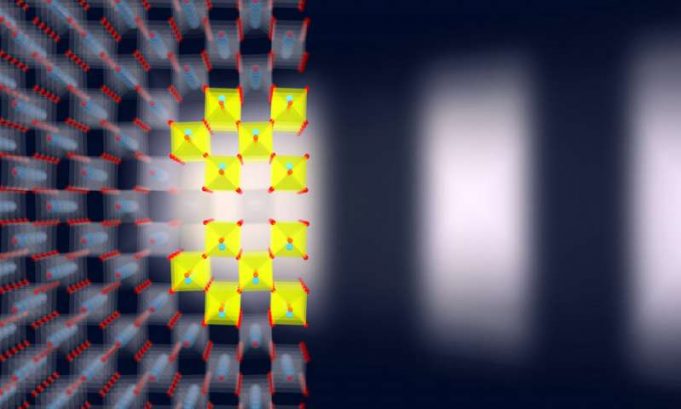
Light can be used not only to measure materials' properties, but also to change them. Especially interesting are those cases in which the function of a material can be modified, such as its ability to conduct electricity or to...
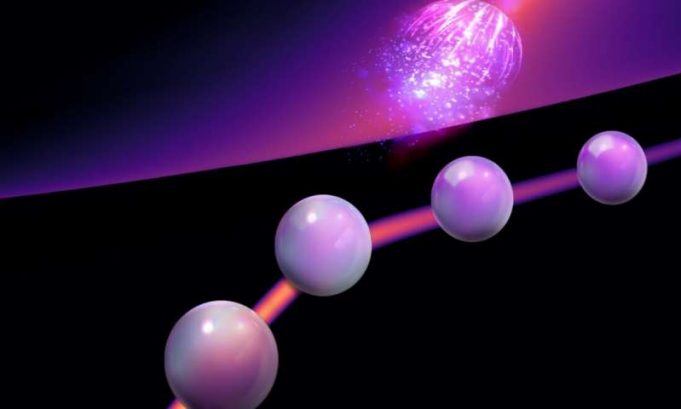
Decay is relentless in the macroscopic world: Broken objects do not fit themselves back together again. However, other laws are valid in the quantum world: New research shows that so-called quasiparticles can decay and reorganize themselves again and are...
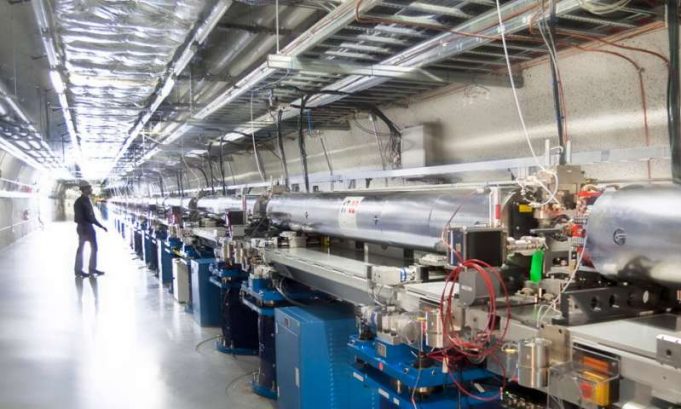
Phase-change materials that are used in the latest generation of smartphones could lead to higher storage capability and more energy efficiency. Data is recorded by switching between glassy and crystalline material states by applying a heat pulse. However, to...
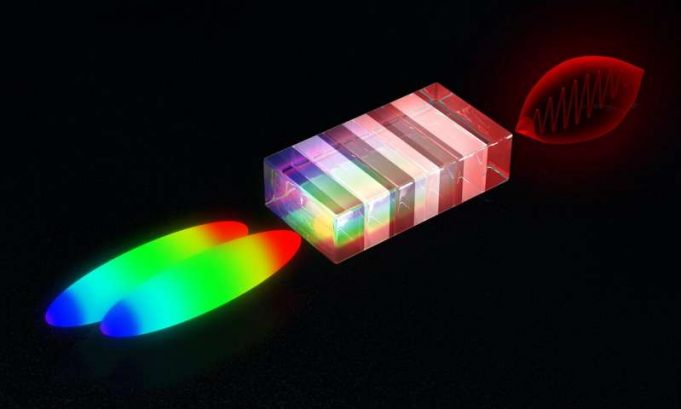
A team of scientists from DESY and the University of Hamburg has achieved an important milestone in the quest for a new type of compact particle accelerator. Using ultra-powerful pulses of laser light, they were able to produce particularly...


