



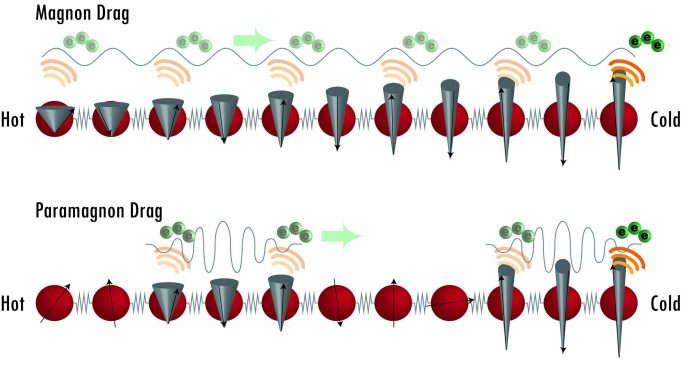
An international team of researchers has observed that local thermal perturbations of spins in a solid can convert heat to energy even in a paramagnetic material—where spins weren't thought to correlate long enough to do so. This effect, which...
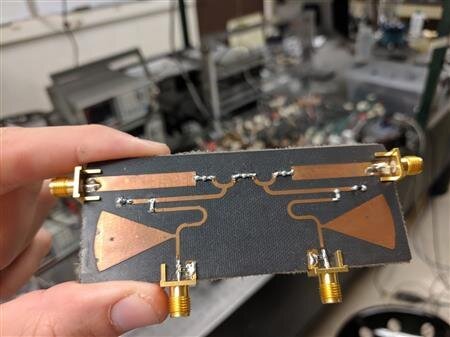
Researchers at the University of Illinois at Urbana-Champaign have replicated one of the most well-known electromagnetic effects in physics, the Hall Effect, using radio waves (photons) instead of electric current (electrons). Their technique could be used to create advanced...
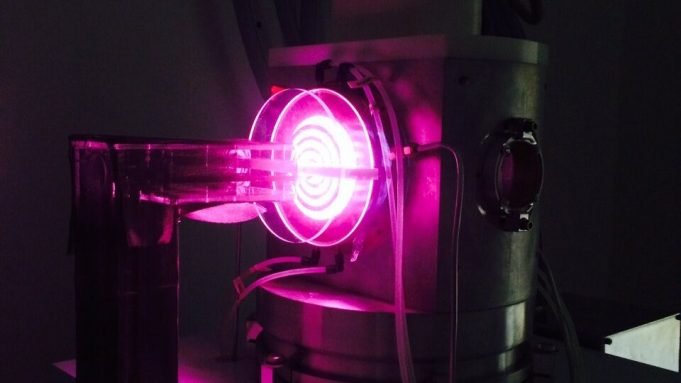
In an underground vault enclosed by six-foot concrete walls and accessed by a rolling, 25-ton concrete-and-steel door, University of California, Berkeley, students are making neutrons dance to a new tune: one better suited to producing isotopes required for geological...
If Albert Einstein's theory of general relativity holds true, then a black hole, born from the cosmically quaking collisions of two massive black holes, should itself "ring" in the aftermath, producing gravitational waves much like a struck bell reverbates...
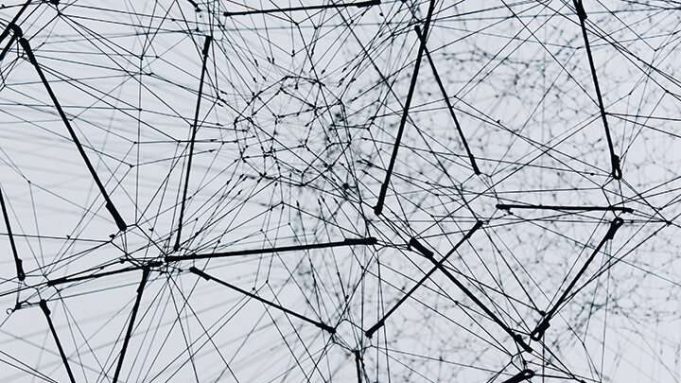
A new way of measuring how relationships in a network change over time can reveal important details about the network, according to researchers at Penn State and the Korean Rural Economic Institute. For example, when applied to the world...
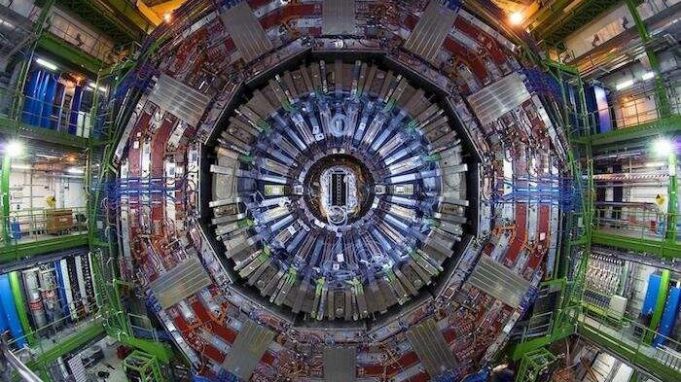
New findings from University of Kansas experimental nuclear physicists Daniel Tapia Takaki and Aleksandr (Sasha) Bylinkin were just published in the European Physical Journal C. The paper centers on work at the Compact Muon Solenoid, an experiment at the Large...
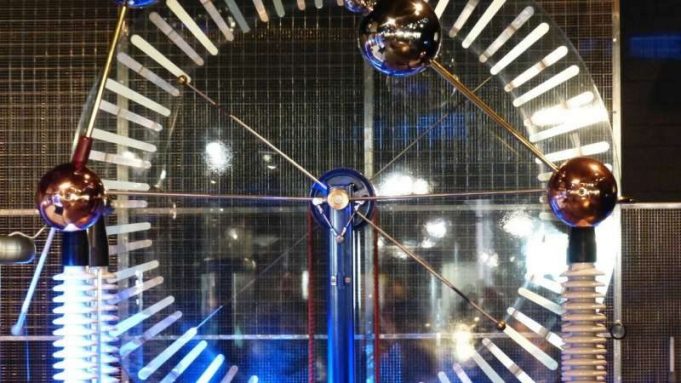
Most people have experienced the hair-raising effect of rubbing a balloon on their head or the subtle spark caused by dragging socked feet across the carpet. Although these experiences are common, a detailed understanding of how they occur has...
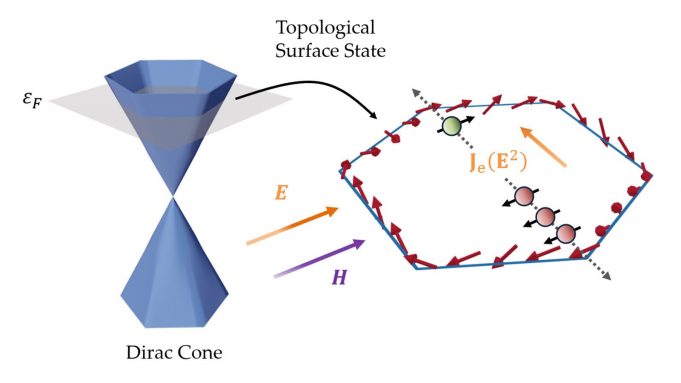
Certain materials, like copper, conduct electricity very well. Other materials, like glass, do not. A certain kind of material, called a topological insulator, acts partially like one and partially like the other ― it behaves like a conductor at...
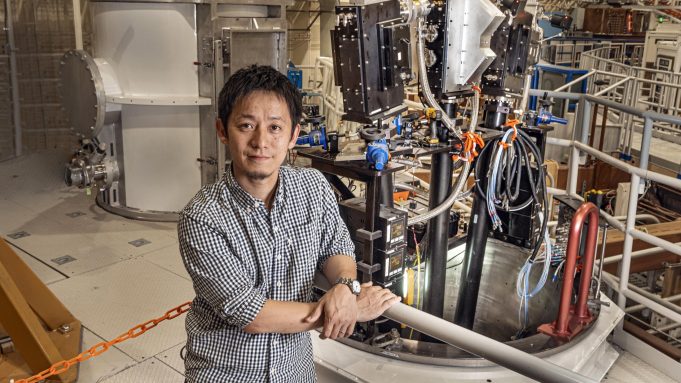
Experimenting at 4.1 million degrees Fahrenheit, physicists at Sandia National Laboratories' Z machine have found that an astronomical model—used for 40 years to predict the sun's behavior as well as the life and death of stars—underestimates the energy blockage...
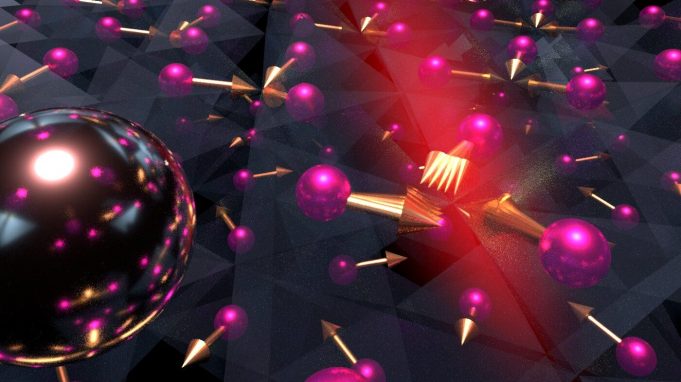
Researchers around the world are constantly looking for ways to enhance or transcend the capabilities of electronic devices, which seem to be reaching their theoretical limits. Undoubtedly, one of the most important advantages of electronic technology is its speed,...
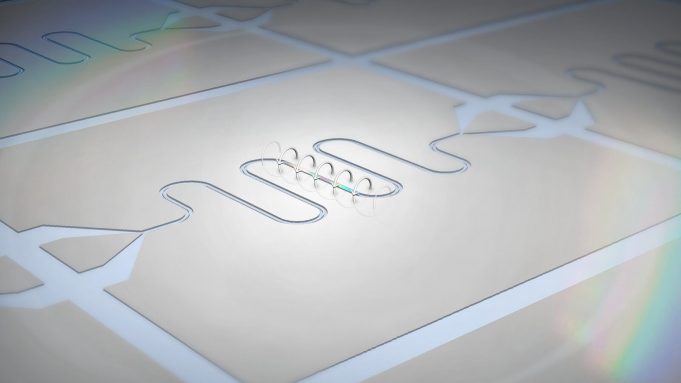
Quantum computing promises to revolutionize the ways in which scientists can process and manipulate information. The physical and material underpinnings for quantum technologies are still being explored, and researchers continue to look for new ways in which information can...


