



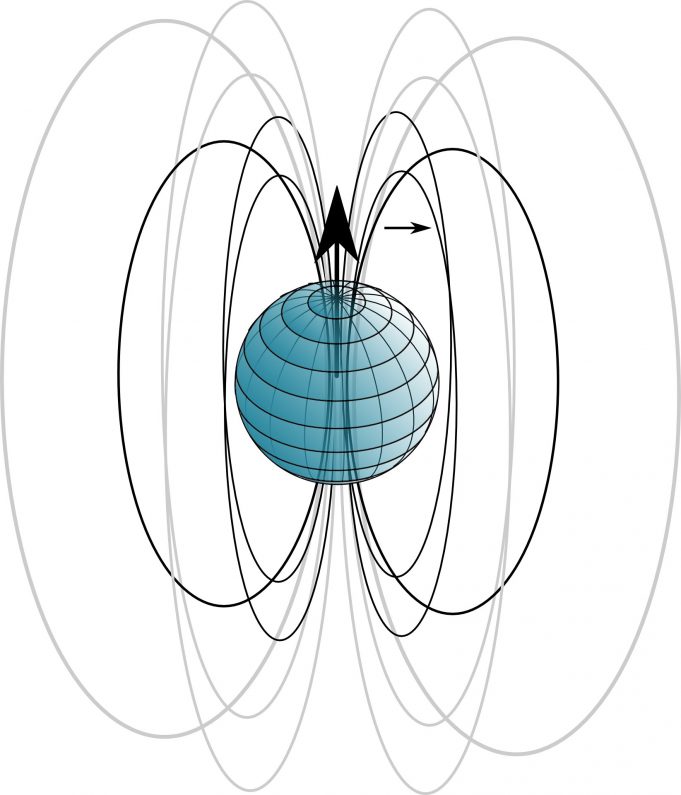
Next year is the 200 year anniversary of the discovery of electromagnetism by the Danish physicist H.C. Ørsted. Even 200 years after its discovery, the existence of electromagnetism still brings up new puzzles pertaining to their origin.
One such mystery...
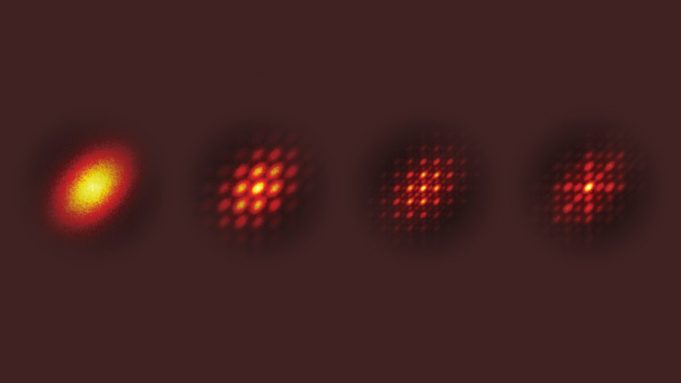
The smallest pieces of nature—individual particles like electrons, for instance—are pretty much interchangeable. An electron is an electron is an electron, regardless of whether it's stuck in a lab on Earth, bound to an atom in some chalky moon...
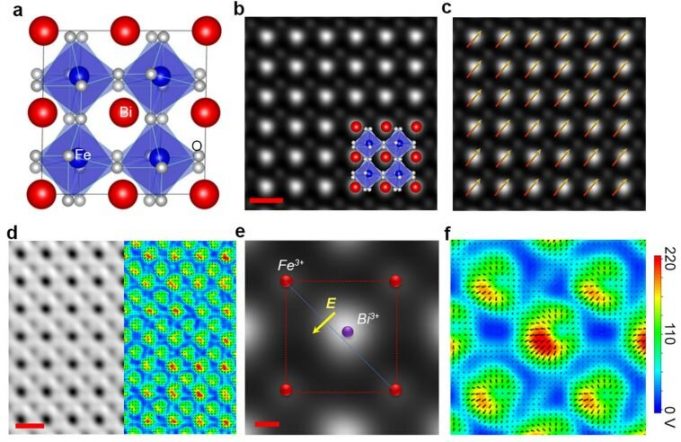
Researchers at the University of California, Irvine have developed a new scanning transmission electron microscopy method that enables visualization of the electric charge density of materials at sub-angstrom resolution.
With this technique, the UCI scientists were able to observe electron distribution between...
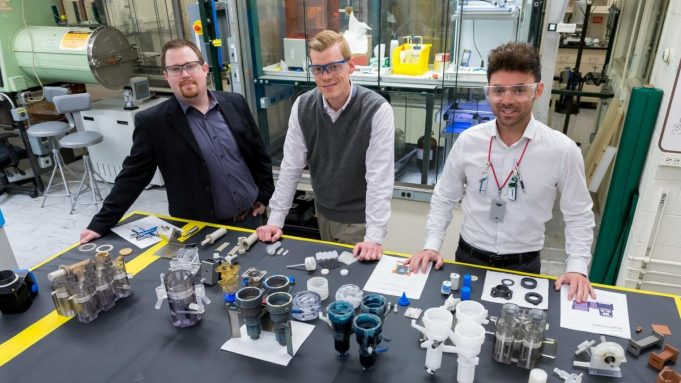
Argonne scientists look to 3-D printing to ease separation anxiety, which paves the way to recycle more nuclear material.
Astronauts now print their own parts in space to repair the International Space Station. Scientists at Harvard just discovered a way to print...
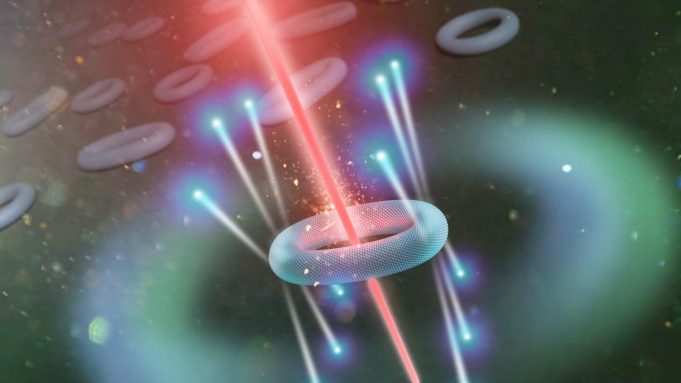
Particles that are mere nanometers in size are at the forefront of scientific research today. They come in many different shapes: rods, spheres, cubes, vesicles, S-shaped worms and even donut-like rings. What makes them worthy of scientific study is...
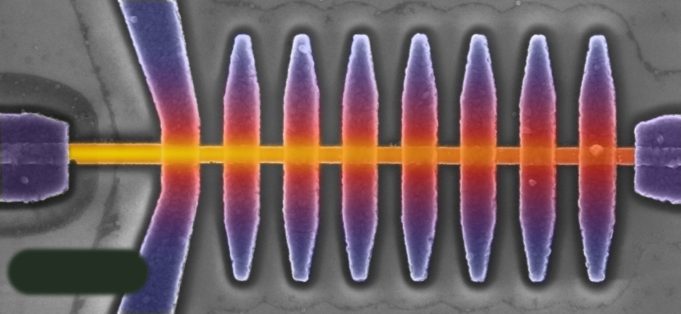
Researchers from Aalto University and VTT Technical Research Centre of Finland have built a super-sensitive bolometer, a type of thermal radiation detector. The new radiation detector, made of a gold-palladium mixture makes it easier to measure the strength of...
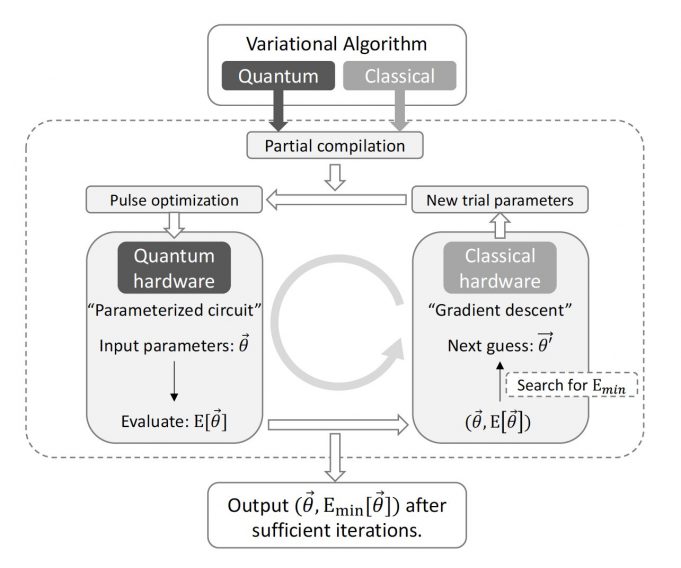
A new paper from researchers at the University of Chicago introduces a technique for compiling highly optimized quantum instructions that can be executed on near-term hardware. This technique is particularly well suited to a new class of variational quantum...
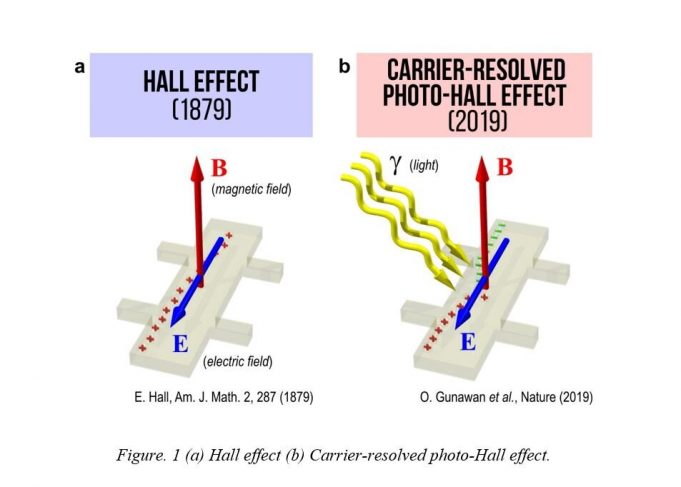
Semiconductors are the basic building blocks of today's digital, electronic age, providing us a multitude of devices that benefit our modern life, including computer, smartphones and other mobile devices. Improvements in semiconductor functionality and performance are likewise enabling next-generation...
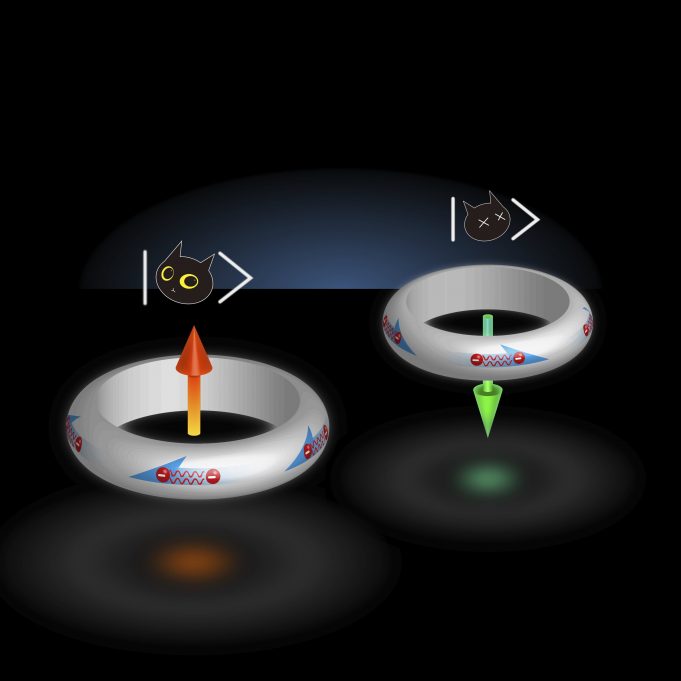
Quantum computers with the ability to perform complex calculations, encrypt data more securely and more quickly predict the spread of viruses, may be within closer reach thanks to a new discovery by Johns Hopkins researchers.
"We've found that a certain superconducting...
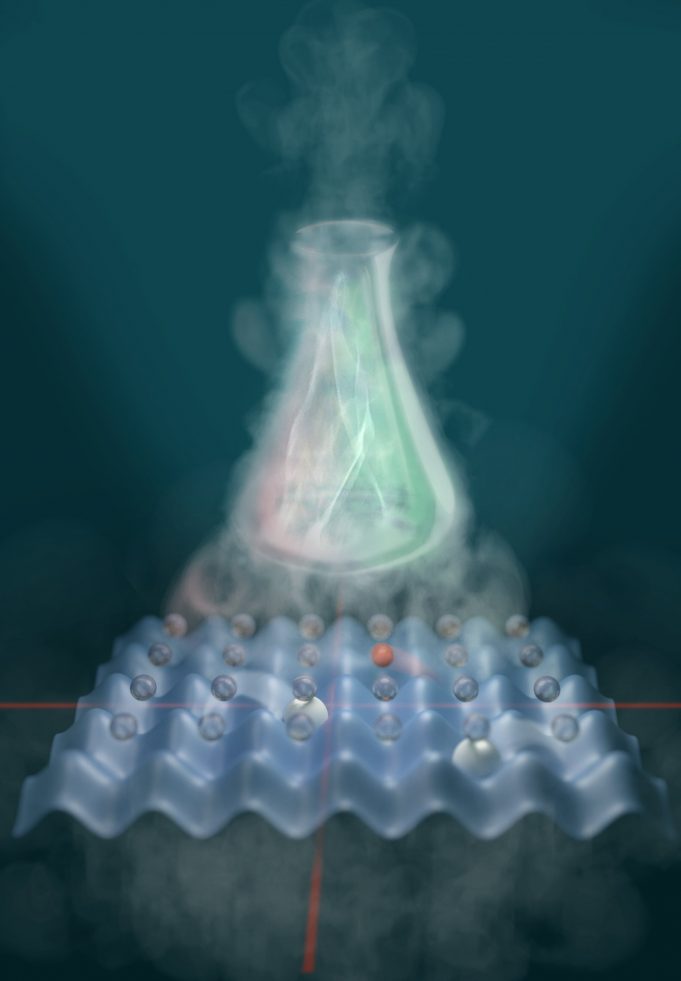
Searching for new substances and developing new techniques in the chemical industry: tasks that are often accelerated using computer simulations of molecules or reactions. But even supercomputers quickly reach their limits. Now researchers at the Max Planck Institute of...

Researchers have successfully used sound waves to control quantum information in a single electron, a significant step towards efficient, robust quantum computers made from semiconductors.
The international team, including researchers from the University of Cambridge, sent high-frequency sound waves across a modified semiconductor...


