



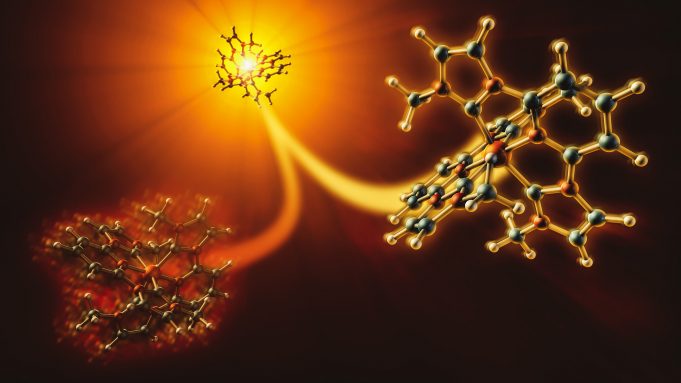
Photosensitizers are molecules that absorb sunlight and pass that energy along to generate electricity or drive chemical reactions. They're generally based on rare, expensive metals; so the discovery that iron carbenes, with plain old iron at their cores, can...
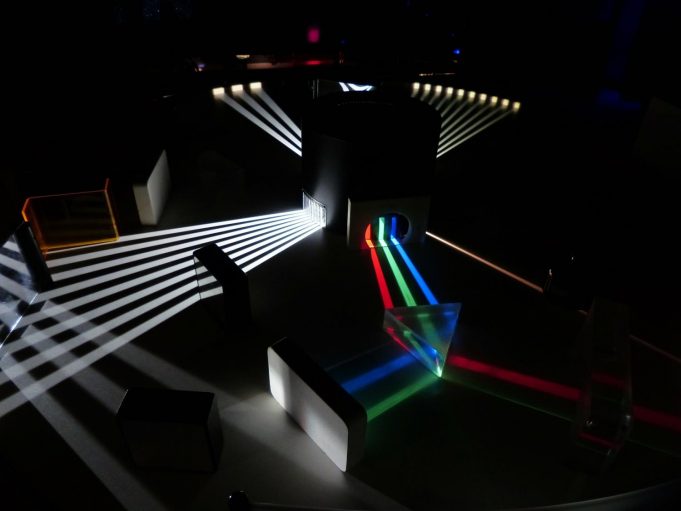
Researchers at Tel Aviv University have for the first time demonstrated the backflow of optical light propagating forward. The phenomenon, theorized more than 50 years ago by quantum physicists, has never before been demonstrated successfully in any experiment—until now.
"This...
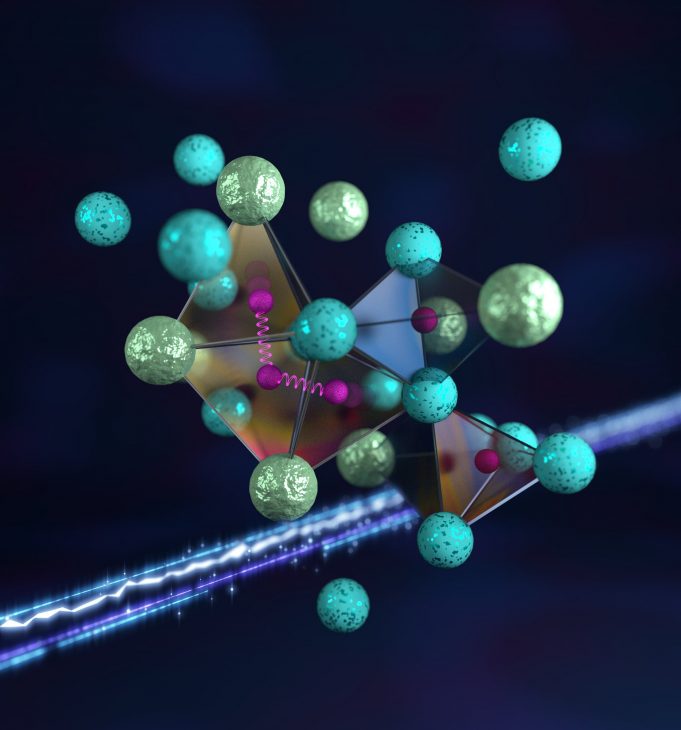
An international team of researchers has discovered the hydrogen atoms in a metal hydride material are much more tightly spaced than had been predicted for decades—a feature that could possibly facilitate superconductivity at or near room temperature and pressure.
Such...
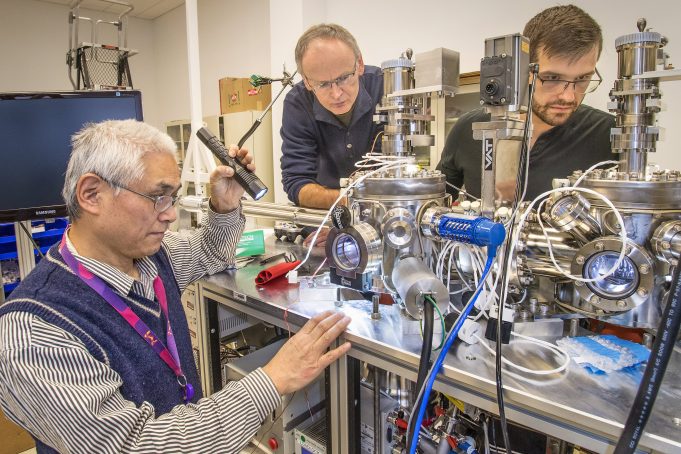
When there are several processes going on at once, establishing cause-and-effect relationships is difficult. This scenario holds true for a class of high-temperature superconductors known as the cuprates. Discovered nearly 35 years ago, these copper-oxygen compounds can conduct electricity...
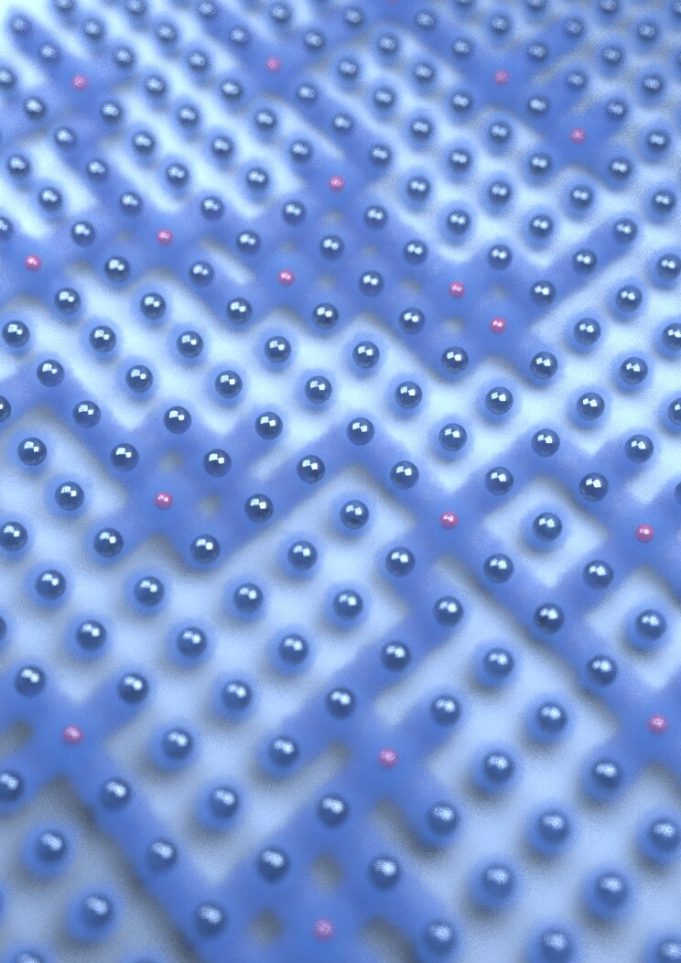
Most modern electronic devices rely on tiny, finely-tuned electrical currents to process and store information. These currents dictate how fast our computers run, how regularly our pacemakers tick and how securely our money is stored in the bank.
In a...
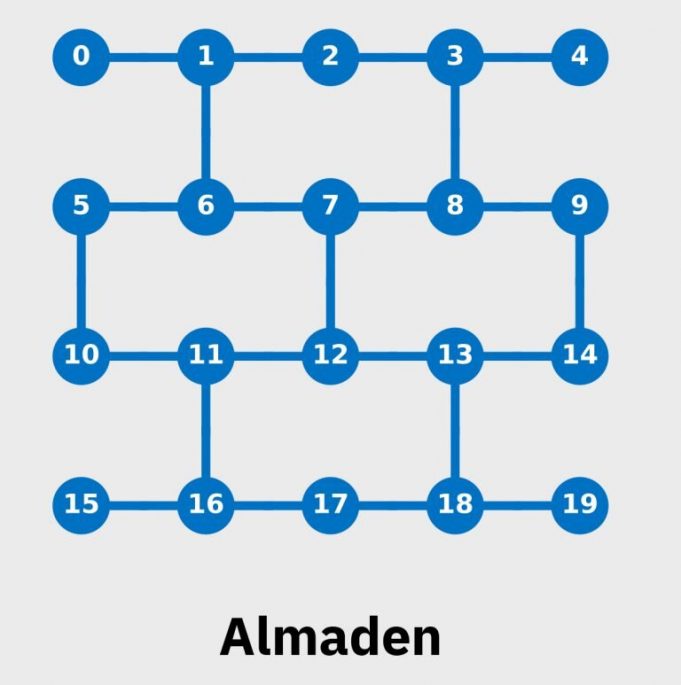
To build cheaper and more efficient sustainable energy options, we need to know a lot more than we currently do about the chemical reactions that convert solar energy into electricity. One of the best ways to do that is...
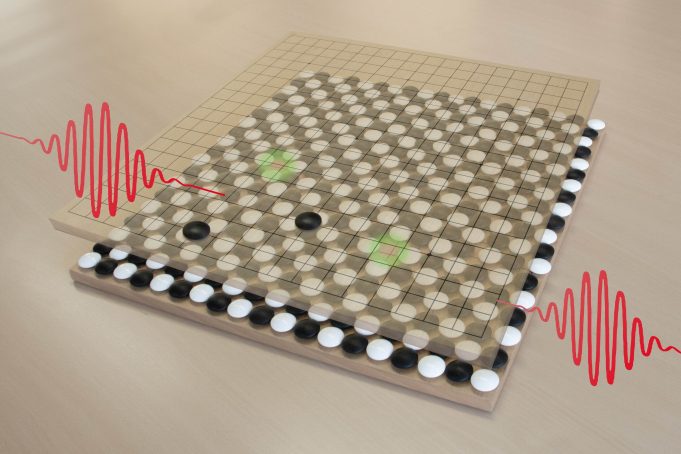
In physics, there are very different types of particles: Elementary particles are the fundamental building blocks of matter. Other particles, such as atoms, are bound states consisting of several smaller constituents. And then there are so-called "quasi-particles"—excitations in a...

Even though they are inanimate objects, sand dunes can 'communicate' with each other. A team from the University of Cambridge has found that as they move, sand dunes interact with and repel their downstream neighbours.
Using an experimental dune 'racetrack',...
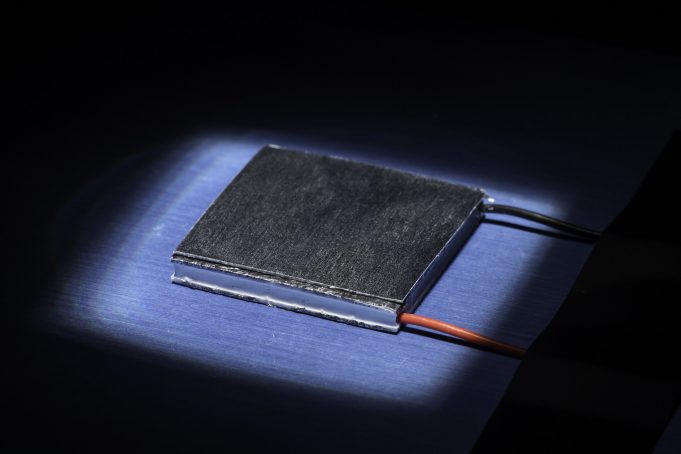
The University of Rochester research lab that recently used lasers to create unsinkable metallic structures has now demonstrated how the same technology could be used to create highly efficient solar power generators.
In a paper in Light: Science & Applications, the...
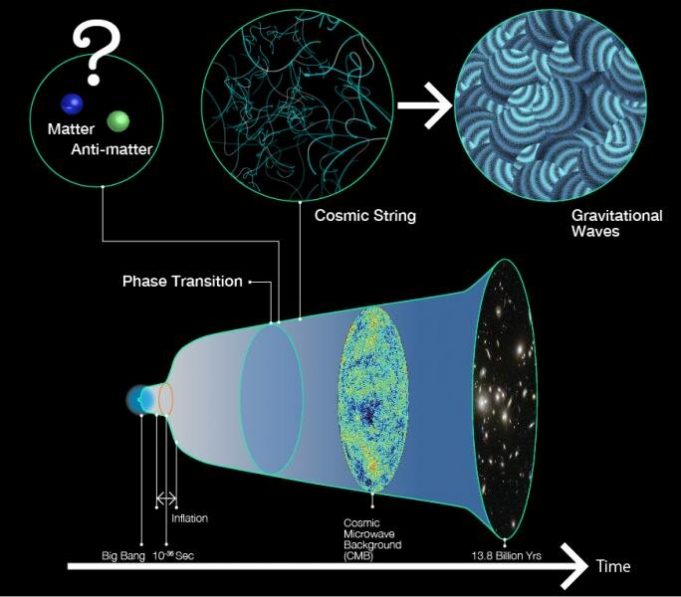
Recently discovered ripples of spacetime called gravitational waves could contain evidence to prove the theory that life survived the Big Bang because of a phase transition that allowed neutrino particles to reshuffle matter and anti-matter, explains a new study...
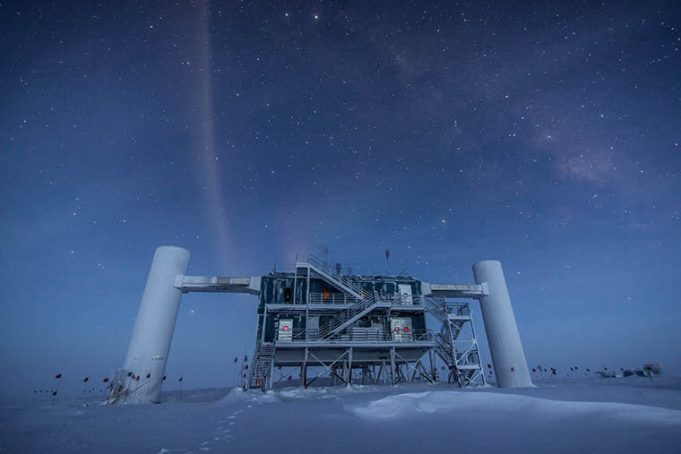
Physicists at Washington University in St. Louis have proposed a way to use data from ultra-high energy neutrinos to study interactions beyond the standard model of particle physics. The 'Zee burst' model leverages new data from large neutrino telescopes...


