




A new machine learning tool can calculate the energy required to make—or break—a molecule with higher accuracy than conventional methods. While the tool can currently only handle simple molecules, it paves the way for future insights in quantum chemistry.
"Using...
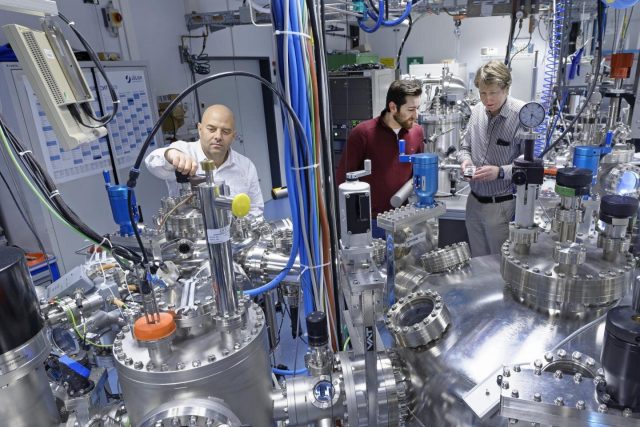
Scientists around the world are intensively working on memristive devices that draw extremely low power and behave similarly to neurons in the brain. Researchers from the Jülich Aachen Research Alliance (JARA) and the German technology group Heraeus now report...

David Storm, a research physicist, and Tyler Growden, an electrical engineer, both with the U.S. Naval Research Laboratory, developed a new gallium nitride-based electrical component called a resonant tunneling diode (RTD) with performance beyond the anticipated speed of 5G.
The...

Public health advice for avoiding respiratory illness is largely unchanged since the Spanish flu of 1918, one of history's deadliest pandemics. Keep a safe distance from other people. Wash your hands frequently with soap and water to kill any...

Just about everyone has had the experience of blinking while having their picture taken. The camera clicks, your eyes shut, and by the time they open again, the photo is ruined. A new ultrafast camera developed at Caltech, were...
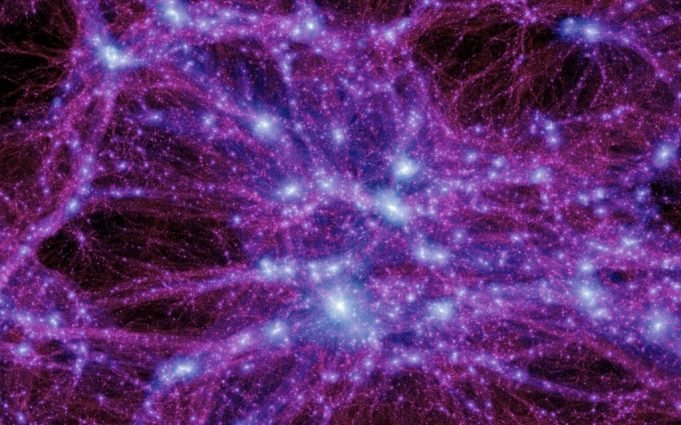
Dark matter has so far defied every type of detector designed to find it. Because of its huge gravitational footprint in space, we know dark matter must make up about 85 percent of the total mass of the universe,...

In tsunami preparedness, it turns out there can be strength in beauty. Rows of green hills strategically arranged along coastlines can help to fend off destruction from tsunamis while preserving ocean views and access to the shore. For some...
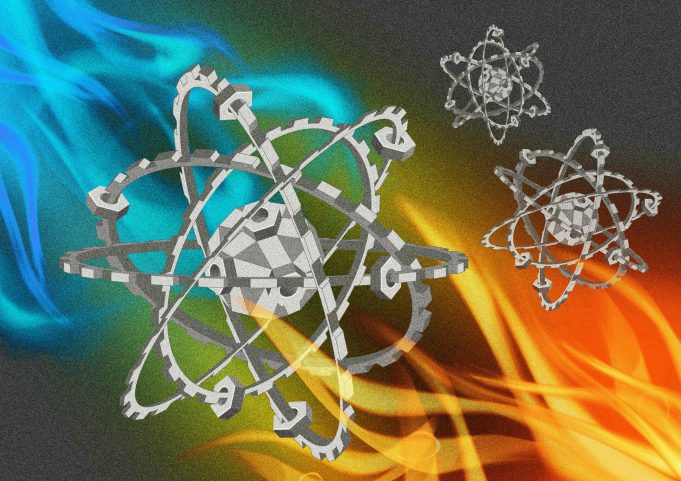
Here's a new chapter in the story of the miniaturisation of machines: researchers in a laboratory in Singapore have shown that a single atom can function as either an engine or a fridge. Such a device could be engineered...
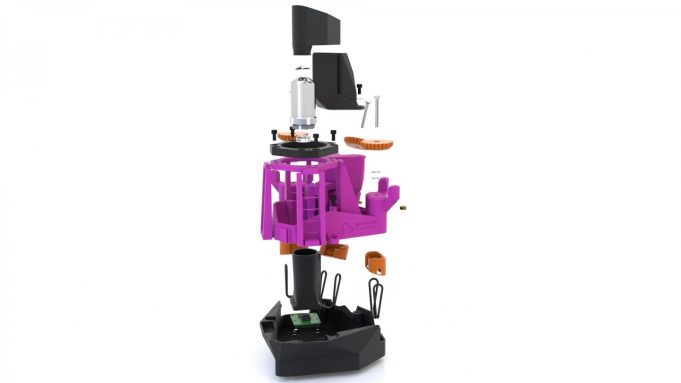
For the first time, labs around the world can 3-D print their own precision microscopes to analyse samples and detect diseases, thanks to an open-source design created at the University of Bath.
The OpenFlexure Microscope, described in Biomedical Optics Express, is...
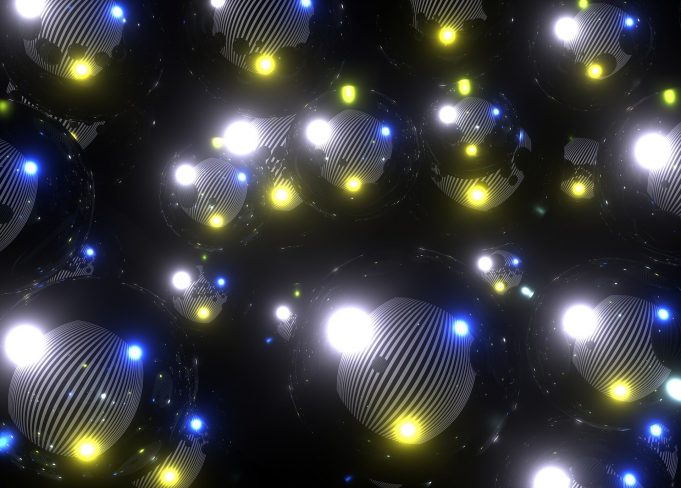
Scientists have been able to observe the universe and determine that about 80% of the its mass appears to be "dark matter," which exerts a gravitational pull but does not interact with light, and thus can't be seen with...
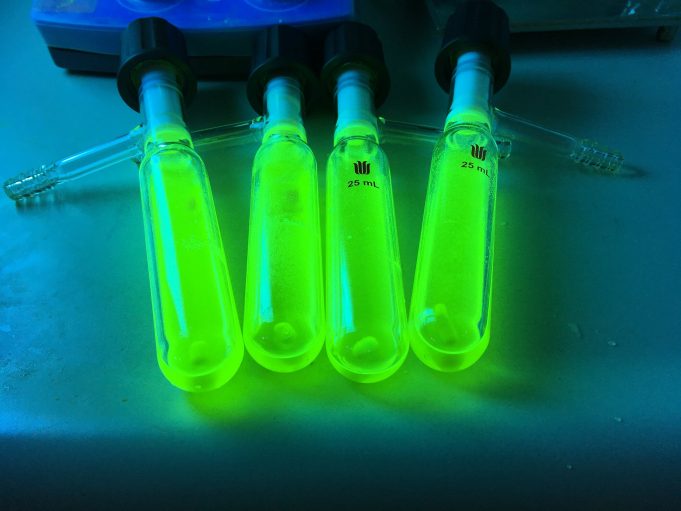
At the Paul Scherrer Institute PSI, researchers have gained insights into a promising material for organic light-emitting diodes (OLEDs). The substance enables high light yields and would be inexpensive to produce on a large scale—that means it is practically...


