




Yale's latest work expanding the reach of quantum information science is actually a game of quantum pitch and catch.
In a new study published April 23 in the journal Nature Physics, Yale researchers "pitch" a qubit—a tiny bit of quantum...
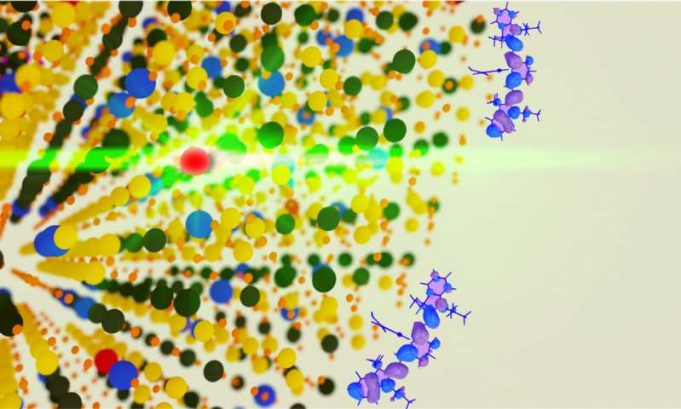
An international team of scientists has demonstrated a breakthrough in the design and function of nanoparticles that could make solar panels more efficient by converting light usually missed by solar cells into usable energy.
The team, led by scientists at...
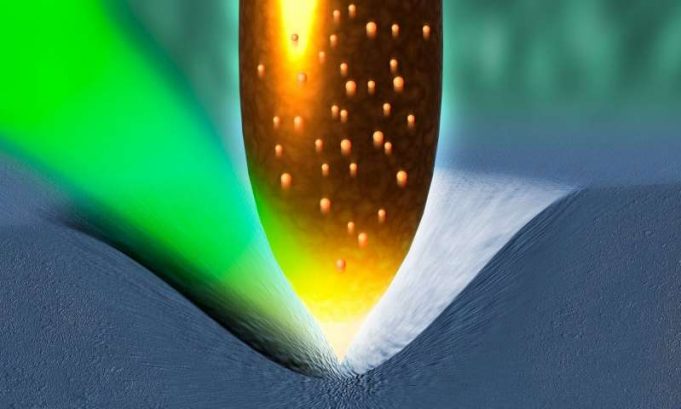
Physicists at the University of Warwick have today, Thursday 19th April 2018, published new research in the fournal Science today 19th April 2018 (via the Journal's First Release pages) that could literally squeeze more power out of solar cells...
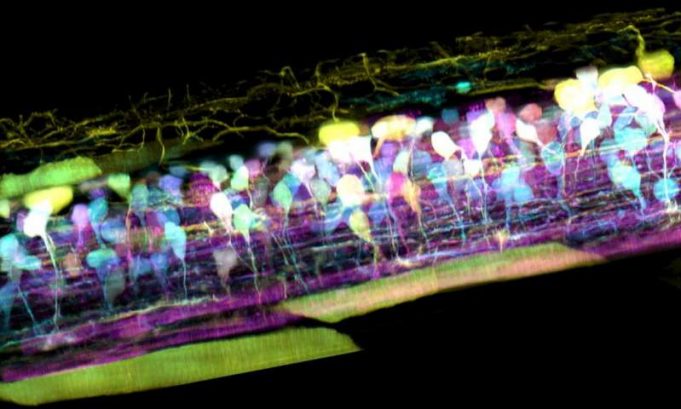
Our window into the cellular world just got a whole lot clearer.
By combining two imaging technologies, scientists can now watch in unprecedented 3-D detail as cancer cells crawl, spinal nerve circuits wire up, and immune cells cruise through a...

Researchers have developed a new way to improve our knowledge of the Big Bang by measuring radiation from its afterglow, called the cosmic microwave background radiation. The new results predict the maximum bandwidth of the universe, which is the...
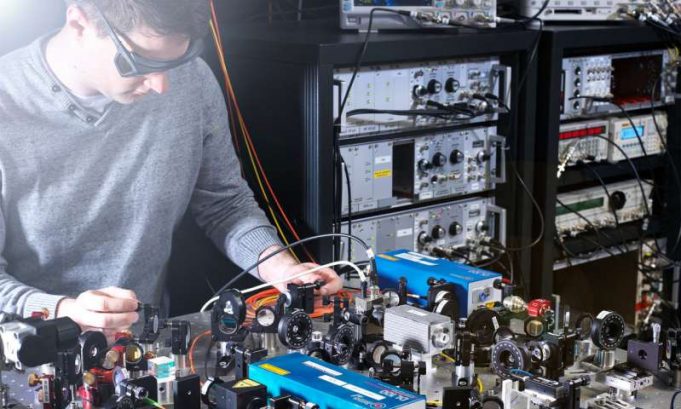
The nucleus of thorium-229 possesses a property that is unique among all known nuclides: It should be possible to excite it with ultraviolet light. To date, little has been known about the low-energy state of the Th-229 nucleus that...

Nuclear techniques have played an important role in determining the crystal structure of a rare type of intermetallic alloy that exhibits superconductivity.
The research, which was recently published in the Accounts of Chemical Research, was a undertaking led by researchers...

Researchers at Aalto University, Finland, have created a Bose-Einstein condensate of light coupled with metal electrons, so-called surface plasmon polaritons. Nearly 100 years ago, Albert Einstein and Satyendra Nath Bose predicted that quantum mechanics could force a large number...
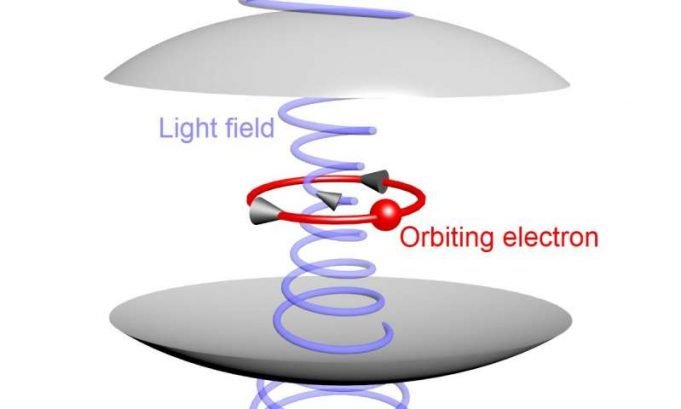
A team led by Rice University scientists used a unique combination of techniques to observe, for the first time, a condensed matter phenomenon about which others have only speculated. The research could aid in the development of quantum computers.
The...

Atoms are composed of electrons moving around a central nucleus to which they are bound. The electrons can also be torn away via the powerful electric field of a laser, overcoming the confining force of their nucleus. A half-century...
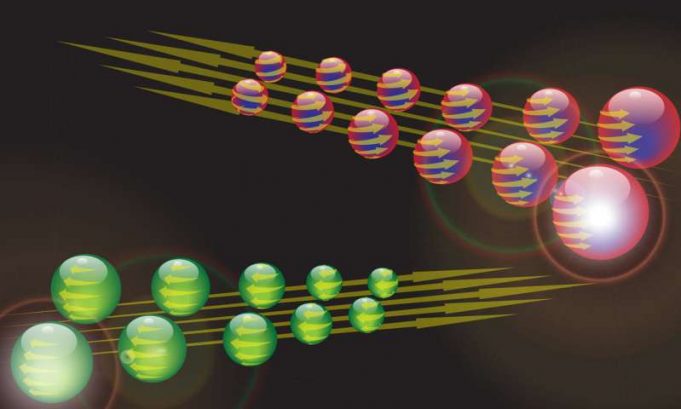
Researchers have shown that certain superconductors—materials that carry electrical current with zero resistance at very low temperatures—can also carry currents of 'spin'. The successful combination of superconductivity and spin could lead to a revolution in high-performance computing, by dramatically...


