




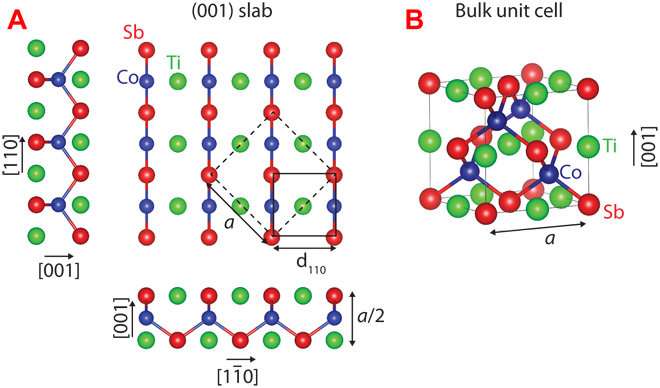
Who would guess that cracking the mystery of how infinitesimally small atoms arrange themselves at the edges of crystals in advanced materials could be as simple as one, two, three?
Modeling the molecular structure of a crystal's surface normally requires...

Waste heat can be converted to electricity more efficiently using one-dimensional nanoscale materials as thin as an atom – ushering a new way of generating sustainable energy – thanks to new research by the University of Warwick.
Led by Drs...
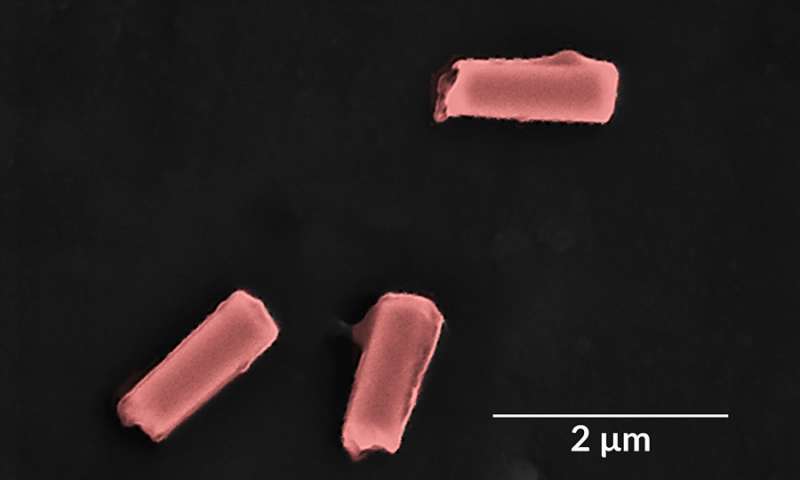
Engineers at the University of California San Diego have developed tiny ultrasound-powered robots that can swim through blood, removing harmful bacteria along with the toxins they produce. These proof-of-concept nanorobots could one day offer a safe and efficient way...
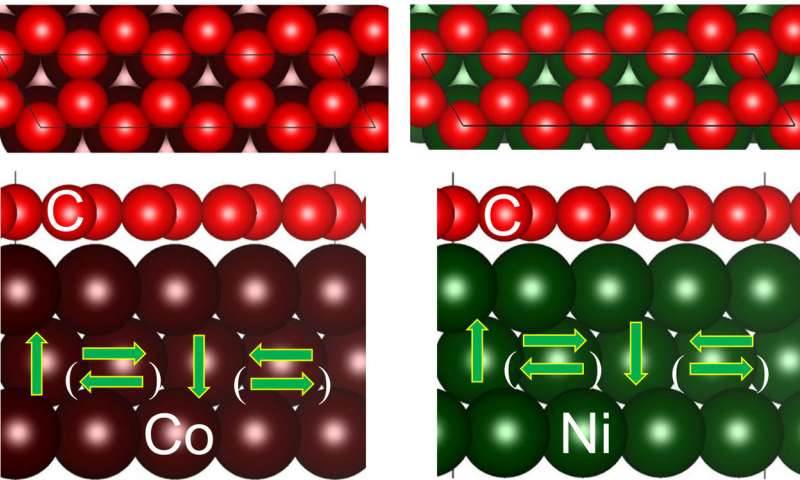
Researchers working at the Department of Energy's Lawrence Berkeley National Laboratory (Berkeley Lab) coupled graphene, a monolayer form of carbon, with thin layers of magnetic materials like cobalt and nickel to produce exotic behavior in electrons that could be...
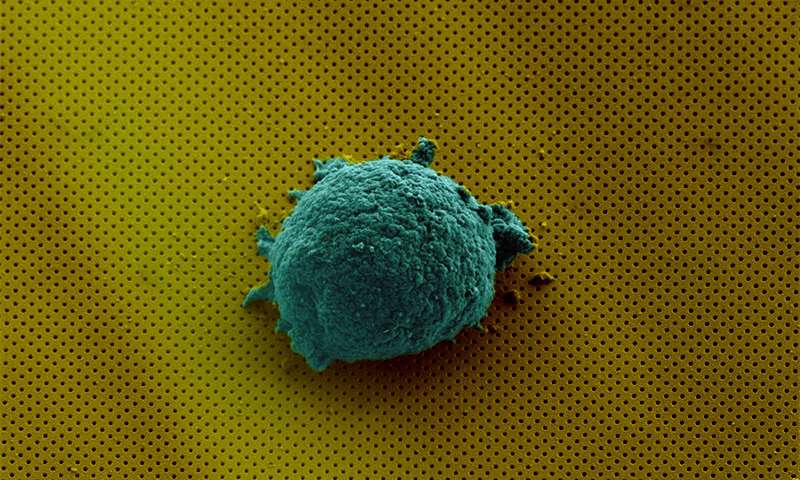
Breakthrough lab-on-a-chip technology that reveals how human cells communicate could lead to new treatments for cancer and autoimmune disorders.
Developed by an Australian-Swiss research team, the technology offers researchers unprecedented insights into how individual cells behave—something that scientists are discovering...
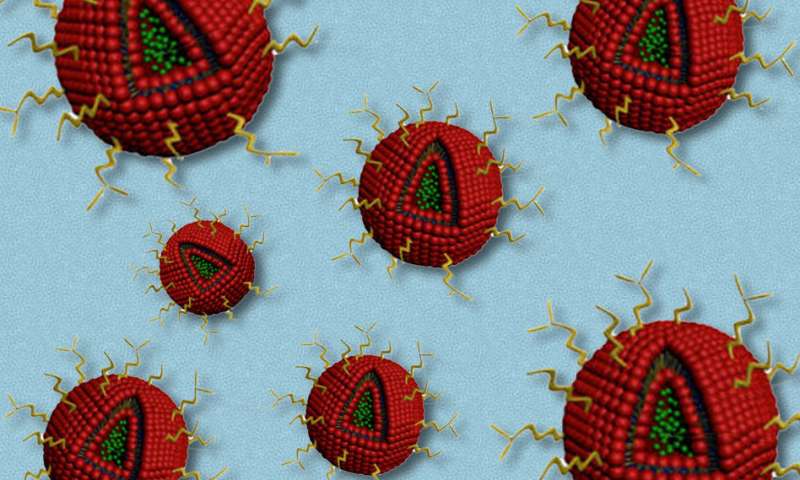
Glioblastoma multiforme, a type of brain tumor, is one of the most difficult-to-treat cancers. Only a handful of drugs are approved to treat glioblastoma, and the median life expectancy for patients diagnosed with the disease is less than 15...

A material with atomically thin layers of water holds promise for energy storage technologies, and researchers have now discovered that the water is performing a different role than anyone anticipated. The finding was possible due to a new atomic...

Researchers using powerful supercomputers have found a way to generate microwaves with inexpensive silicon, a breakthrough that could dramatically cut costs and improve devices such as sensors in self-driving vehicles.
"Until now, this was considered impossible," said C.R. Selvakumar, an...

Imagine a box you plug into the wall that cleans your toxic air and pays you cash.
That's essentially what Vanderbilt University researchers produced after discovering the blueprint for turning the carbon dioxide into the most valuable material ever sold—carbon...

Scientists at the University of Alberta have applied a machine learning technique using artificial intelligence to perfect and automate atomic-scale manufacturing, something which has never been done before. The vastly greener, faster, smaller technology enabled by this development greatly...

Nanoparticles derived from tea leaves inhibit the growth of lung cancer cells, destroying up to 80% of them, new research by a joint Swansea University and Indian team has shown.
The team made the discovery while they were testing out...


