




Layered transition metal dichalcogenides or TMDCs—materials composed of metal nanolayers sandwiched between two other layers of chalcogens— have become extremely attractive to the research community due to their ability to exfoliate into 2-D single layers. Similar to graphene, they...
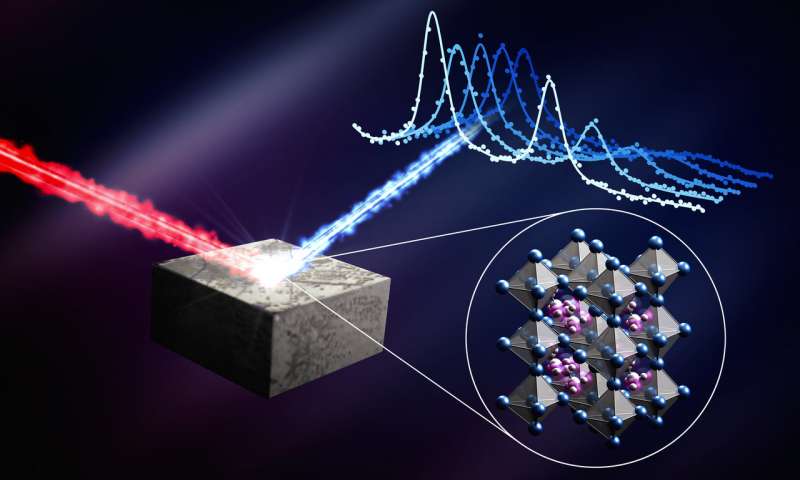
When Michal Vadai's experiment worked for the first time, she jumped out of her seat.
Vadai, a postdoctoral fellow at Stanford University, had spent months designing and troubleshooting a new tool that could greatly expand the capability of an advanced...

When choosing materials to make something, trade-offs need to be made between a host of properties, such as thickness, stiffness and weight. Depending on the application in question, finding just the right balance is the difference between success and...
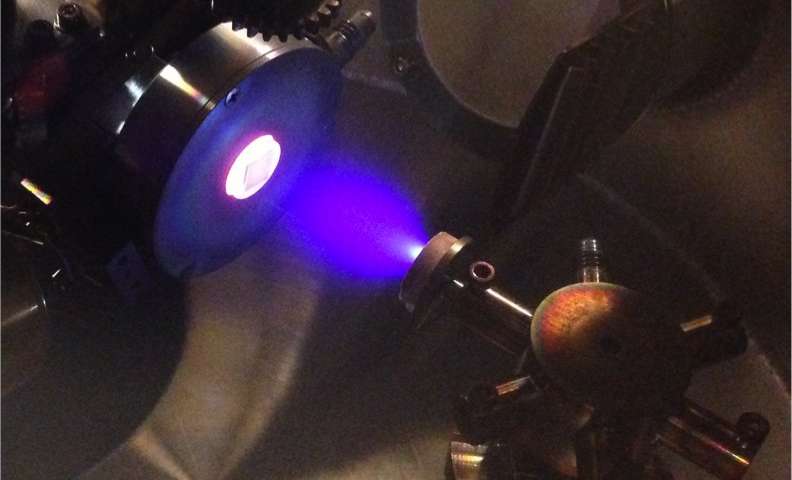
Using ferroelectricity instead of magnetism in computer memory saves energy. If ferroelectric bits were nanosized, this would also save space. But conventional wisdom dictates that ferroelectric properties disappear when the bits are made smaller. Reports that hafnium oxide can...

There just aren't enough kidney transplants available for the millions of people with renal failure. Aside from a transplant, the only alternative for patients is to undergo regular dialysis sessions to clear harmful cellular waste from their bodies. Now,...
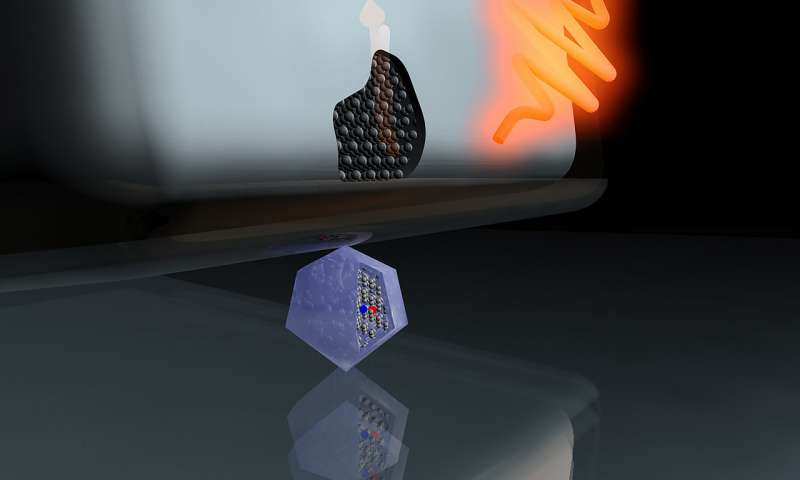
Hacker attacks on everything from social media accounts to government files could be largely prevented by the advent of quantum communication, which would use particles of light called "photons" to secure information rather than a crackable code.
The problem is...

Since the 2003 discovery of the single-atom-thick carbon material known as graphene, there has been significant interest in other types of 2-D materials as well.
These materials could be stacked together like Lego bricks to form a range of devices...
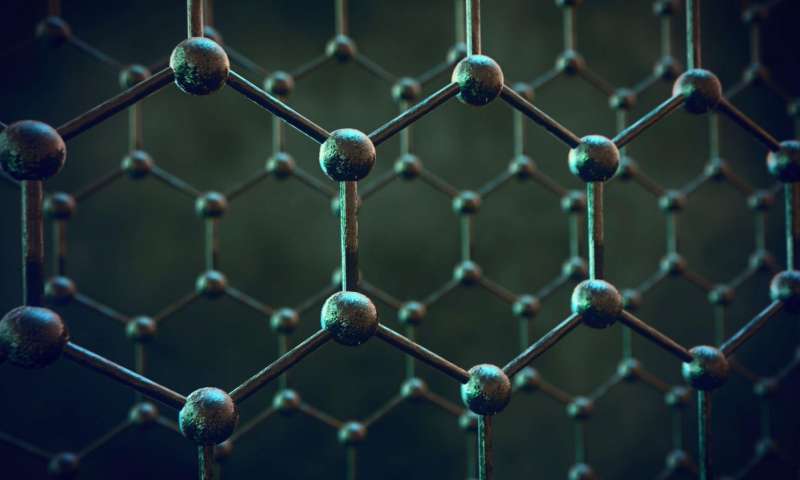
Scientists have discovered new particles that could lie at the heart of a future technological revolution based on photonic circuitry, leading to superfast, light-based computing.
Current computing technology is based on electronics, where electrons are used to encode and transport...

MIT engineers have found a way to directly "pinprick" microscopic holes into graphene as the material is grown in the lab. With this technique, they have fabricated relatively large sheets of graphene ("large," meaning roughly the size of a...

A novel technique that nudges single atoms to switch places within an atomically thin material could bring scientists another step closer to realizing theoretical physicist Richard Feynman's vision of building tiny machines from the atom up.
A significant push to...

Researchers from Linköping University and the Royal Institute of Technology in Sweden have proposed a new device concept that can efficiently transfer the information carried by electron spin to light at room temperature—a stepping stone toward future information technology....


