




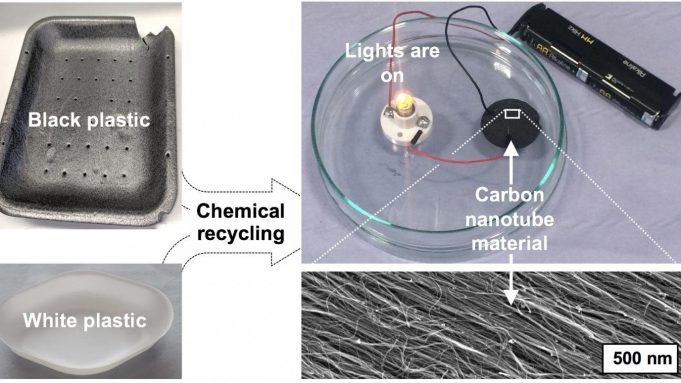
Research from Swansea University has found how plastics commonly found in food packaging can be recycled to create new materials like wires for electricity—and could help to reduce the amount of plastic waste in the future.
While a small proportion...

A research collaboration between Tufts University and the Chinese Academy of Sciences has led to the development of a significantly improved delivery mechanism for the CRISPR/Cas9 gene editing method in the liver, according to a study published recently in...
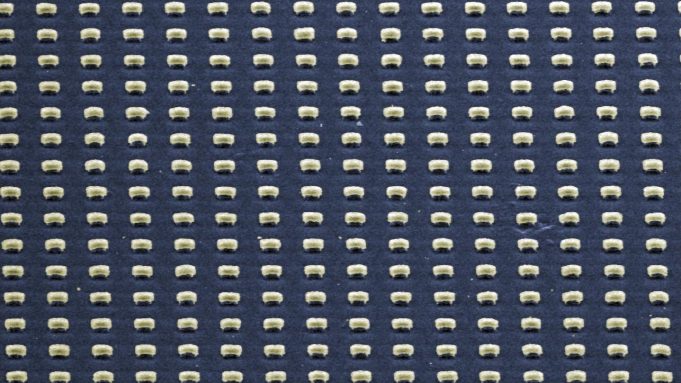
The ever-more-humble carbon nanotube may be just the device to make solar panels—and anything else that loses energy through heat—far more efficient.
Rice University scientists are designing arrays of aligned single-wall carbon nanotubes to channel mid-infrared radiation(aka heat) and greatly raise the...
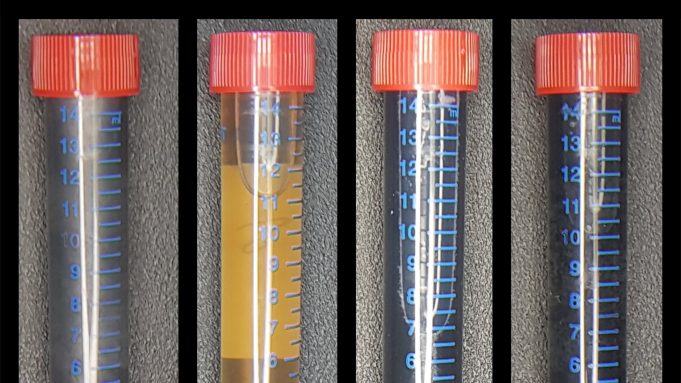
In order to create new and more efficient computers, medical devices, and other advanced technologies, researchers are turning to nanomaterials: materials manipulated on the scale of atoms or molecules that exhibit unique properties.
Graphene—a flake of carbon as thin as...

It's estimated that as much as two-thirds of energy consumed in the U.S. each year is wasted as heat. Take for example, car engines, laptop computers, cell phones, even refrigerators, that heat up with overuse.
Imagine if you could capture...
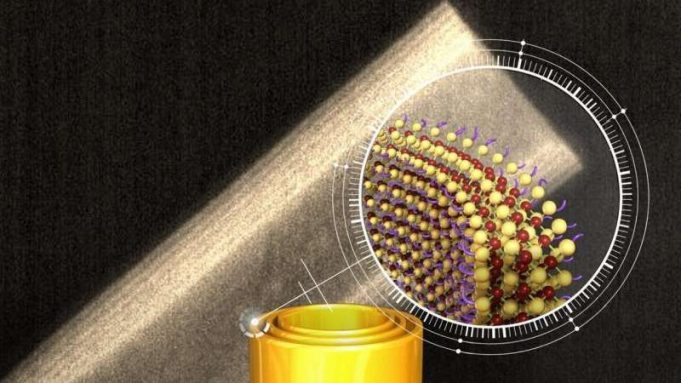
If scientists could find a way to control the process for making semiconductor components on a nanometric scale, they could give those components unique electronic and optical properties—opening the door to a host of useful applications.
Researchers at the Laboratory...

The general public knows the chemical compound of carbon dioxide as a greenhouse gas in the atmosphere and because of its global-warming effect. However, carbon dioxide can also be a useful raw material for chemical reactions. A working group...
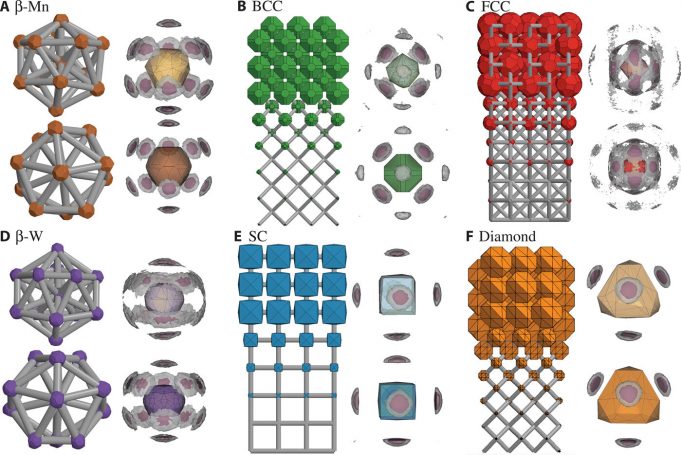
In work that upends materials design, researchers have demonstrated with computer simulations that they can design a crystal and work backward to the particle shape that will self-assemble to create it.
It could lead to a new class of materials, such...

Our future TV and smartphone screens could have double the energy efficiency, thanks to a technique invented by Imperial scientists.
The pixels in many modern screens for TVs, smartphones, tablets, and laptops are lit by little devices called OLEDs (organic...

A newly developed material that is so perfectly transparent you can barely see it could unlock many new uses for solar heat. It generates much higher temperatures than conventional solar collectors do—enough to be used for home heating or...

Researchers from Tokyo Metropolitan University have grown atomically thin crystalline layers of transition metal dichalcogenides (TMDCs) with varying composition over space, continuously feeding in different types of TMDC to a growth chamber to tailor changes in properties. Examples include...


