




Scientists have taken a major step toward a circular carbon economy by developing a long-lasting, economical catalyst that recycles greenhouse gases into ingredients that can be used in fuel, hydrogen gas, and other chemicals. The results could be revolutionary...
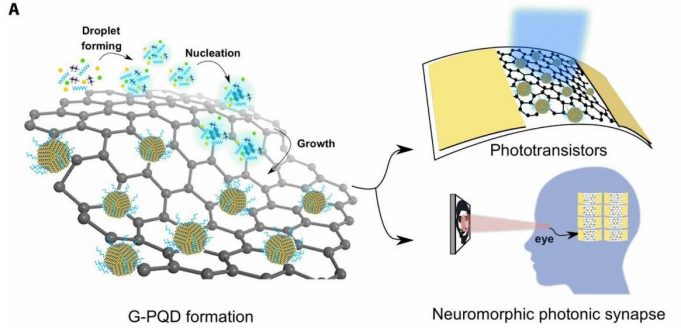
University of Central Florida researchers are helping to close the gap separating human and machine minds.
In a study featured as the cover article appearing today in the journal Science Advances, a UCF research team showed that by combining two promising...
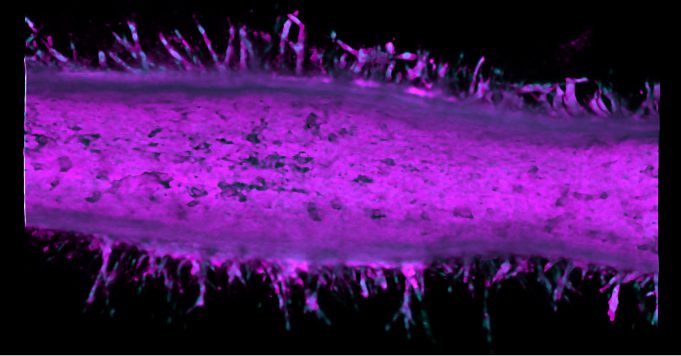
Pancreatic cancer has one of the worst survival rates among cancers. Patients can expect as low as a 9% chance to live for at least five years after being diagnosed.
Going back in time to observe how cells with key gene mutations...
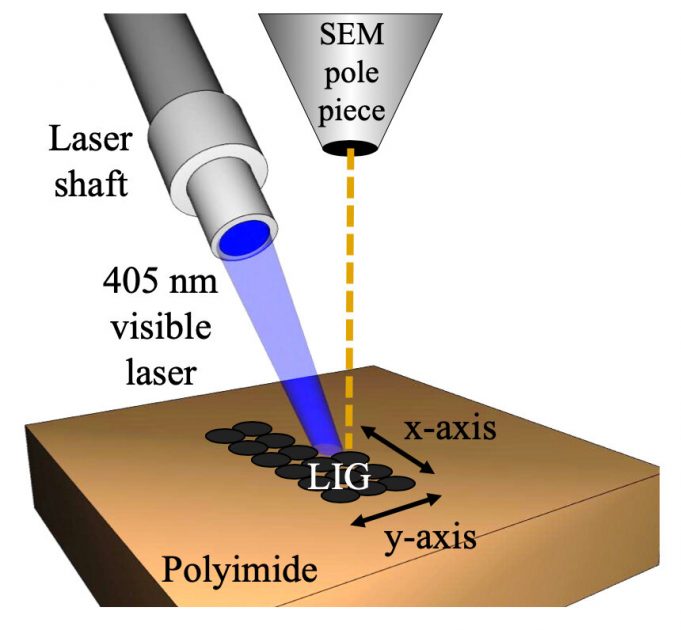
You don't need a big laser to make laser-induced graphene (LIG). Scientists at Rice University, the University of Tennessee, Knoxville (UT Knoxville) and Oak Ridge National Laboratory (ORNL) are using a very small visible beam to burn the foamy...

A scrupulous gatekeeper stands between the brain and its circulatory system to let in the good and keep out the bad, but this porter, called the blood-brain barrier, also blocks trial drugs to treat diseases like Alzheimer's or cancer...
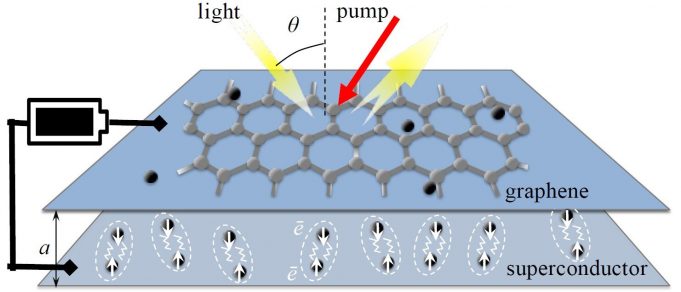
Researchers have created a unique device which will unlock the elusive terahertz wavelengths and make revolutionary new technologies possible.
Terahertz waves (THz) sit between microwaves and infrared in the light frequency spectrum, but due to their low energy, scientists have...
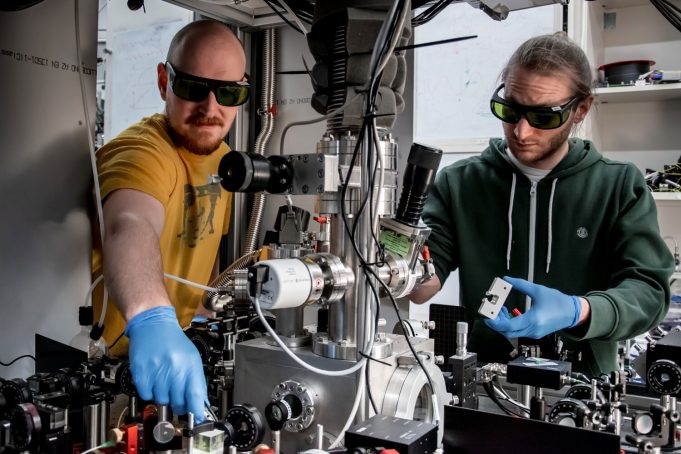
Researchers in Austria have used lasers to levitate and cool a glass nanoparticle into the quantum regime. Although it is trapped in a room-temperature environment, the particle's motion is solely governed by the laws of quantum physics. The team...

Michigan State University and Stanford University scientists have invented a nanoparticle that eats away—from the inside out—portions of plaques that cause heart attacks.
Bryan Smith, associate professor of biomedical engineering at MSU, and a team of scientists created a "Trojan...
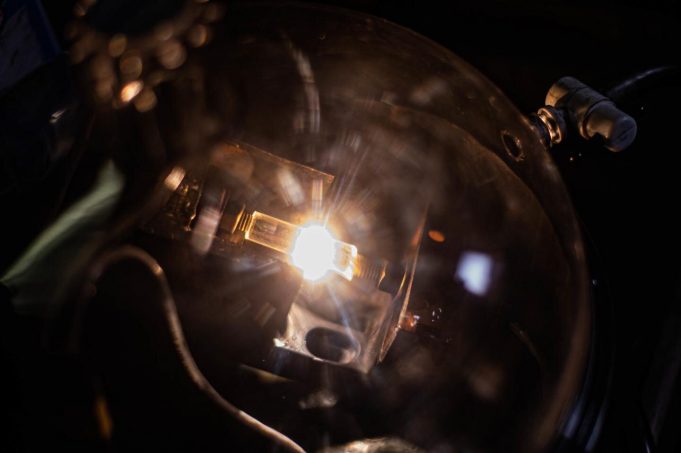
That banana peel, turned into graphene, can help facilitate a massive reduction of the environmental impact of concrete and other building materials. While you're at it, toss in those plastic empties.
A new process introduced by the Rice University lab...
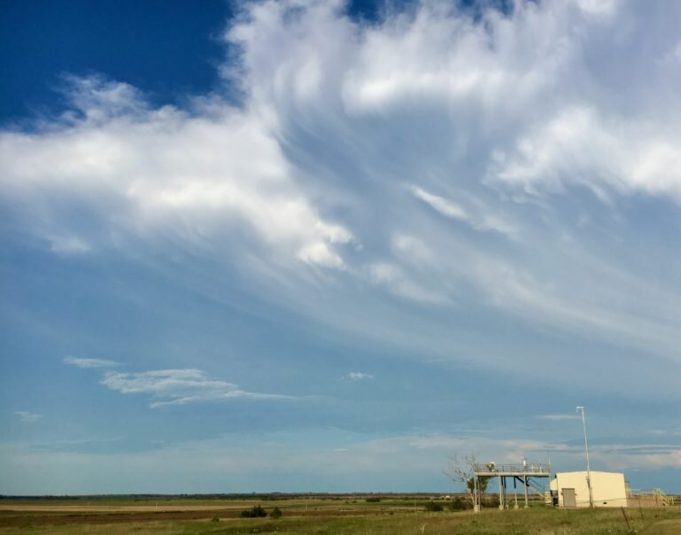
In a discovery that has implications for our understanding of the air we breathe, UCI chemists report that they've found nanoscale fragments of fungal cells in the atmosphere. The pieces are extremely small, measuring about 30 nanometers in diameter,...

A modern airplane's fuselage is made from multiple sheets of different composite materials, like so many layers in a phyllo-dough pastry. Once these layers are stacked and molded into the shape of a fuselage, the structures are wheeled into...


