



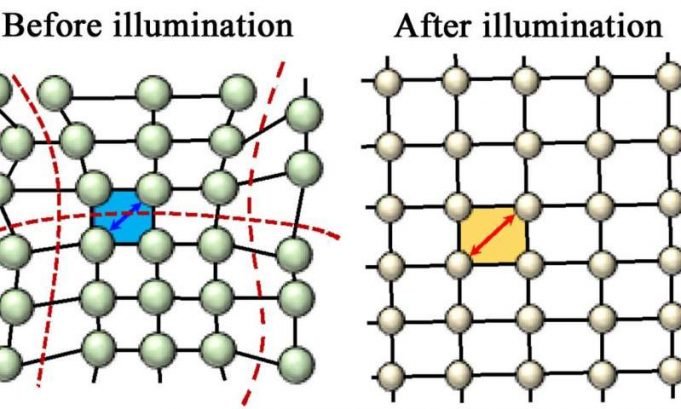
Some materials are like people. Let them relax in the sun for a little while and they perform a lot better.
A collaboration led by Rice University and Los Alamos National Laboratory found that to be the case with a...
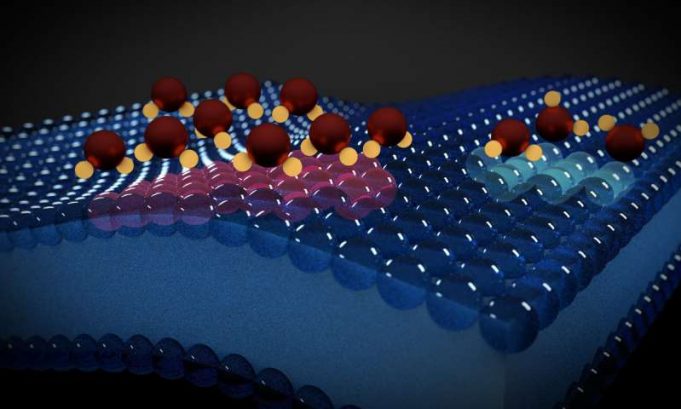
Every human cell is encased in a five-nanometer-thick lipid membrane that protects it from the surrounding environment. Like a gatekeeper, the membrane determines which ions and molecules can pass through. In so doing, it ensures the cell's well-being and...
In 1996, when a computer won a match against reigning world chess champion Garry Kasparov, it was nothing short of a sensation. After this breakthrough in the world of chess, the board game Go was long considered to be...
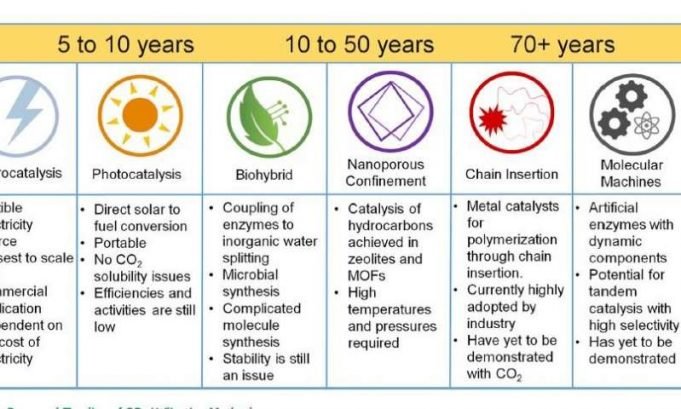
The thousands of metric tons of carbon dioxide (CO2) emitted from power plants each year doesn't have to go into the atmosphere. Researchers are optimistic that within the next decade we will be able to affordably capture CO2 waste...
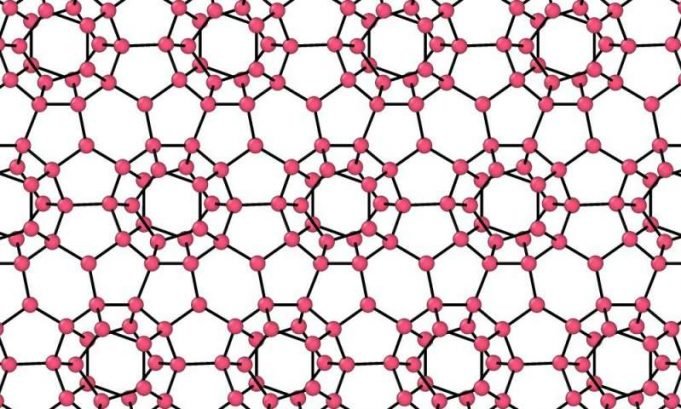
The properties of water have fascinated scientists for centuries, but yet its unique behaviour remains a mystery.
Published this week in the journal Proceedings of the National Academy of Sciences, a collaboration between the Universities of Bristol and Tokyo has...
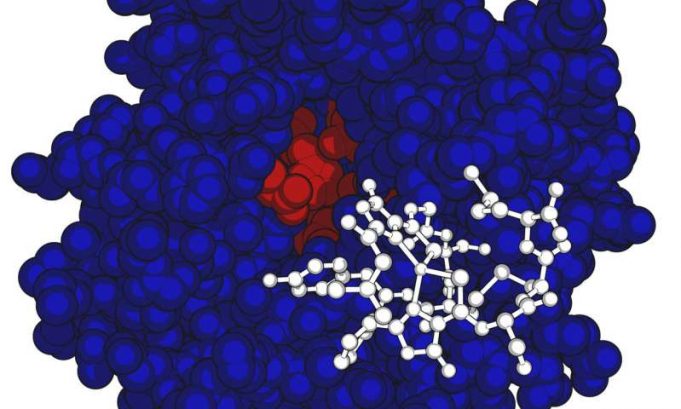
With the ability to leech heavy metals from the environment and digest a potent greenhouse gas, methanotrophic bacteria pull double duty when it comes to cleaning up the environment.
But before researchers can explore potential conservation applications, they first must...
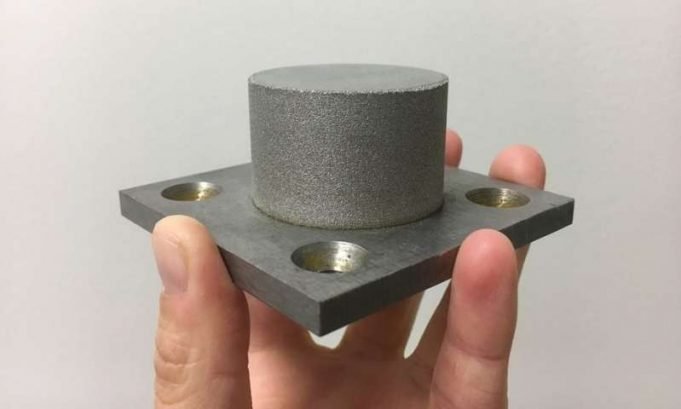
Researchers have now demonstrated the ability to create amorphous metal, or metallic glass, alloys using three-dimensional (3-D) printing technology, opening the door to a variety of applications – such as more efficient electric motors, better wear-resistant materials, higher strength...

It seems like getting something for nothing, but you really can get drinkable water right out of the driest of desert air.
Even in the most arid places on Earth, there is some moisture in the air, and a practical...
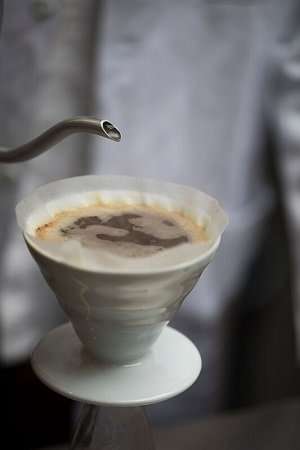
The average American drinks more than three cups of coffee a day, contributing to a $40 billion industry in the U.S. alone, according to the National Coffee Association. But not all coffee is created equal; flavor profiles vary. Focusing...

Scientists have found that drugs are now so prevalent that 13 per cent of those taking part in a test were found to have traces of class A drugs on their fingerprints - despite never using them.
But there is...

Some novel materials that sound too good to be true turn out to be true and good. An emergent class of semiconductors, which could affordably light up our future with nuanced colors emanating from lasers, lamps, and even window...


