




Materials scientists at Duke University and UC San Diego have discovered a new class of carbides expected to be among the hardest materials with the highest melting points in existence. Made from inexpensive metals, the new materials may soon...

When you reach for a bottle of acetaminophen, you may be looking for relief from a headache. But if you take more than what is recommended, the drug can damage your liver.
That's because when a component of the drug—a...
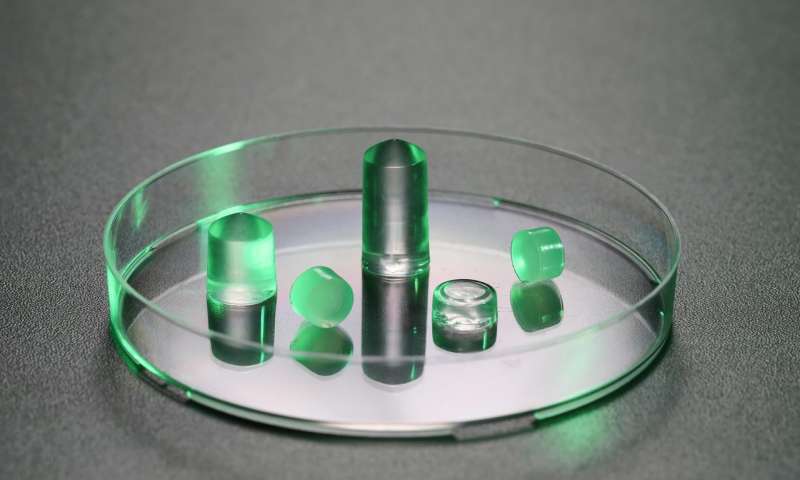
EPFL researchers have developed a hydrogel – made up of nearly 90% water – that naturally adheres to soft tissue like cartilage and the meniscus. If the hydrogel carries repair cells, it could help damaged tissue to heal.
Some types...
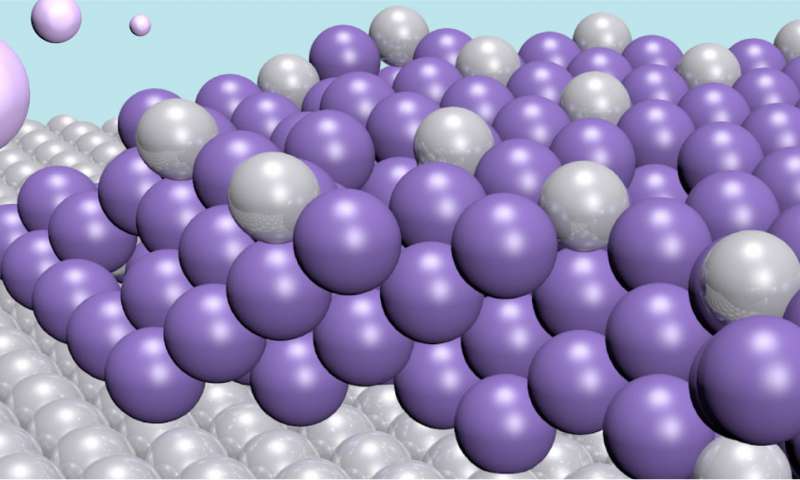
Water contaminated with mercury and other toxic heavy metals is a major cause of environmental damage and health problems worldwide. Now, researchers from Chalmers University of Technology, Sweden, present a totally new way to clean contaminated water through an...
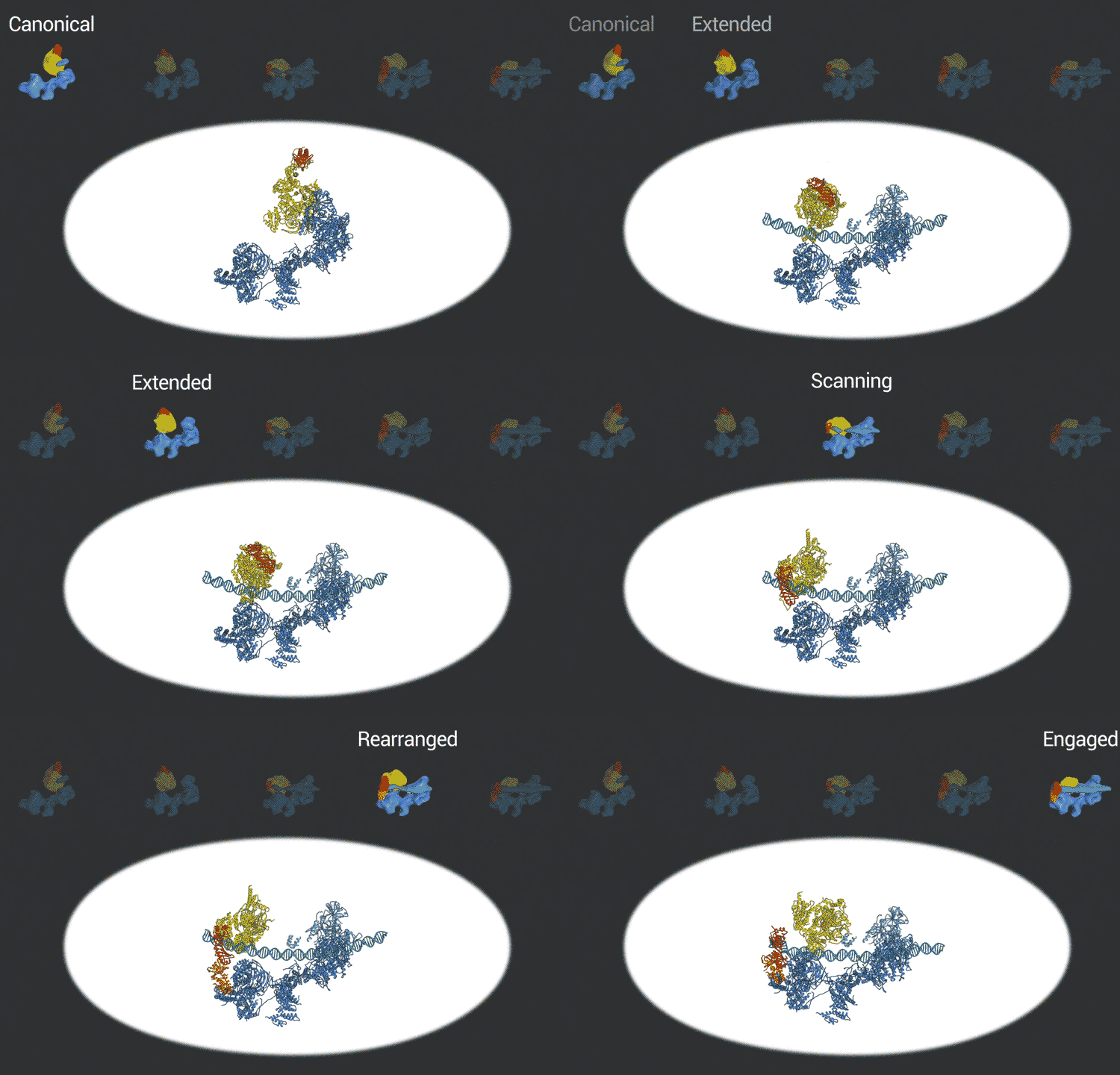
Pushing the limits of cryo-electron microscopy, University of California, Berkeley, scientists have captured freeze-frames of the changing shape of a huge molecule, one of the body's key molecular machines, as it locks onto DNA and loads the machinery for...

A major factor holding back development of wearable biosensors for health monitoring is the lack of a lightweight, long-lasting power supply. Now scientists at the University of Massachusetts Amherst led by materials chemist Trisha L. Andrew report that they...
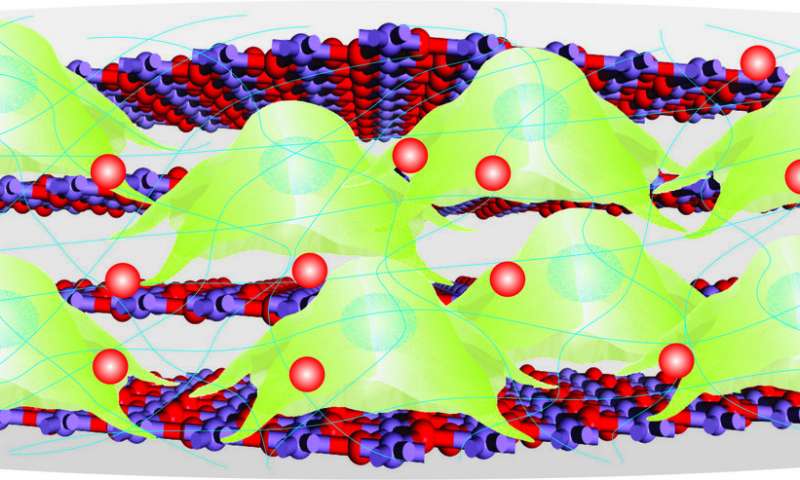
Rutgers scientists have created a tiny, biodegradable scaffold to transplant stem cells and deliver drugs, which may help treat Alzheimer's and Parkinson's diseases, aging brain degeneration, spinal cord injuries and traumatic brain injuries.
Stem cell transplantation, which shows promise as...

A virus, the simplest physical object in biology, consists of a protein shell called the capsid, which protects its nucleic acid genome—RNA or DNA. The capsid can be cylindrical or conical in shape, but more commonly it assumes an...
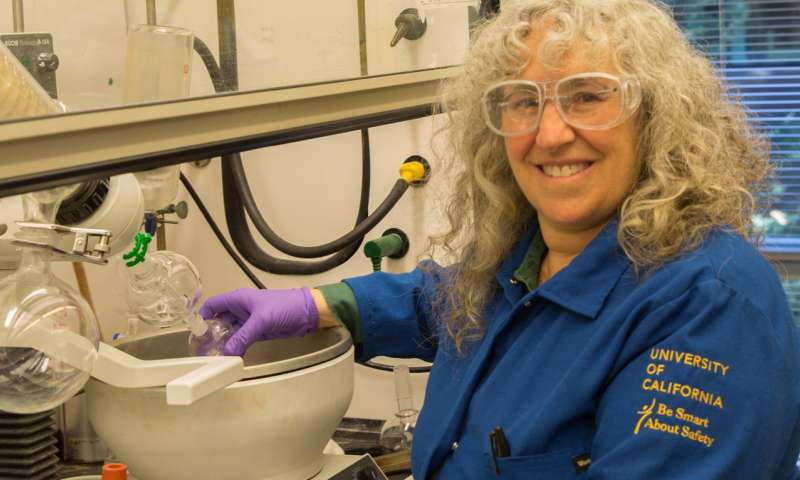
Researchers at UC Santa Cruz have developed safer alternatives to the phthalate plasticizers used to enhance the suppleness, flexibility, and longevity of plastics.
The problem with phthalates is that they leach out of plastics into food, water, and the environment,...

Manganese is known for making stainless steel and aluminum soda cans. Now, researchers say the metal could advance one of the most promising sources of renewable energy: hydrogen fuel cells.
In a study published today (Oct. 29, 2018) in the...

As Halloween revelers prepare to feast on chocolate, a new study from an international team of researchers, including the University of British Columbia, is pushing back the origins of the delicious sweet treat.
The study, published online today in Nature...


