



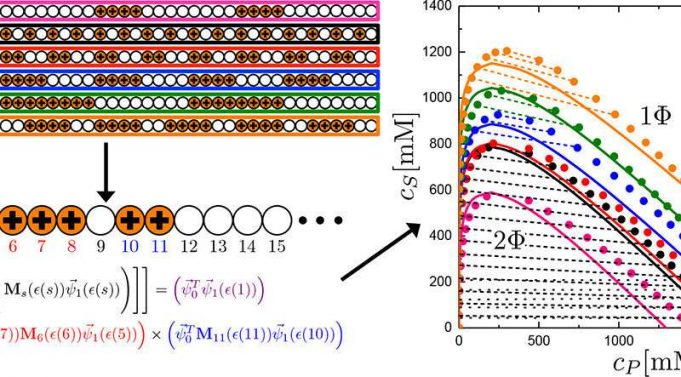
Thanks to a team of researchers from the University of Illinois at Urbana-Champaign and the University of Massachusetts Amherst, scientists are able to read patterns on long chains of molecules to understand and predict behavior of disordered strands of...
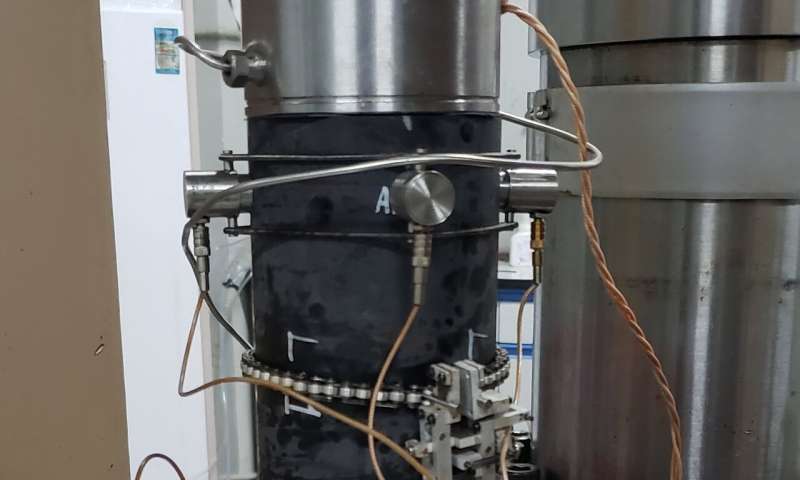
Scientists at the Chinese Academy of Sciences and China University of Petroleum (Beijing) have demonstrated that CO2 may make a better hydraulic fracturing (fracking) fluid than water. Their research, published May 30 in the journal Joule, could help pave the way...
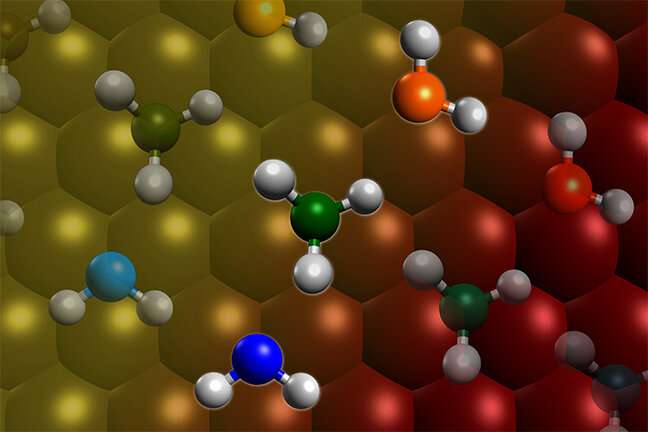
A team of researchers from the University of Minnesota and University of Massachusetts Amherst has discovered new technology that can speed up chemical reactions 10,000 times faster than the current reaction rate limit. These findings could increase the speed...

The first thermodynamically-reversible chemical reactor capable of producing hydrogen as a pure product stream represents a "transformational" step forward in the chemical industry, the authors of a new study claim.
The novel reactor, described today in the prestigious academic journal Nature Chemistry,...

Antibiotic-resistant bacteria are an increasing health threat, making new antibiotics essential. German researchers have recently had a breakthrough: they discovered lugdunin in the human nose—a new kind of cyclic peptide that comes from the bacterium Staphylococcus lugdunensis and has...
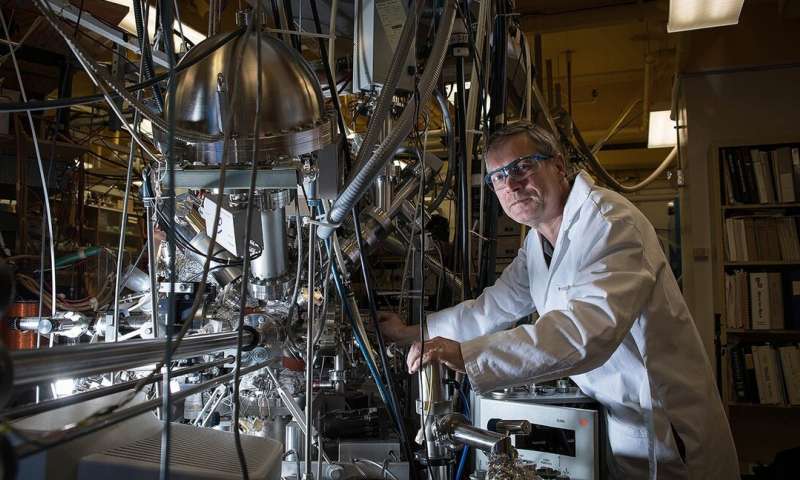
Science fiction stories are chock full of terraforming schemes and oxygen generators for a very good reason—we humans need molecular oxygen (O2) to breathe, and space is essentially devoid of it. Even on other planets with thick atmospheres, O2 is...

Chemists at the University of Illinois have successfully produced fuels using water, carbon dioxide and visible light through artificial photosynthesis. By converting carbon dioxide into more complex molecules like propane, green energy technology is now one step closer to...
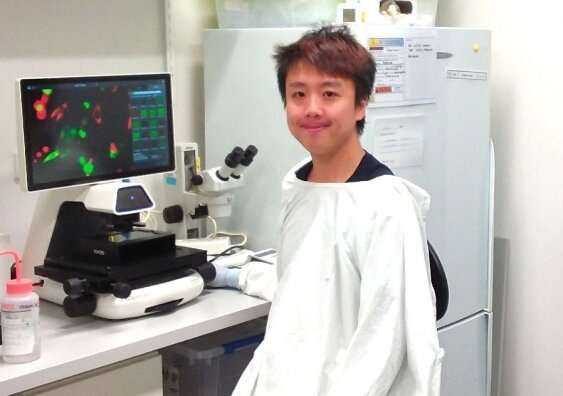
A team of UNSW scientists at the School of Biotechnology and Biomolecular Sciences led by Professor Andrew Brown have shown how a key enzyme that contributes to cholesterol production can be regulated—and destroyed—using a particular molecule.
The findings have implications...

Engineers at the University of Tokyo continually pioneer new ways to improve battery technology. Professor Atsuo Yamada and his team recently developed a material that can significantly extend the life of batteries and afford them higher capacities, as well.
From...
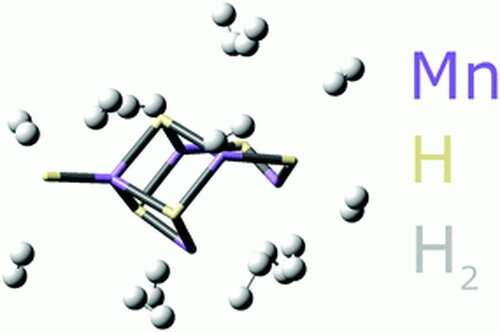
Scientists have discovered a new material that could hold the key to unlocking the potential of hydrogen powered vehicles.
As the world looks towards a gradual move away from fossil fuel powered cars and trucks, greener alternative technologies are being...

The science of what makes good chocolate has been revealed by researchers studying a 140-year-old mixing technique.
Scientists have uncovered the physics behind the process -- known as conching -- which is responsible for creating chocolate's distinctive smooth texture.
The findings...


