



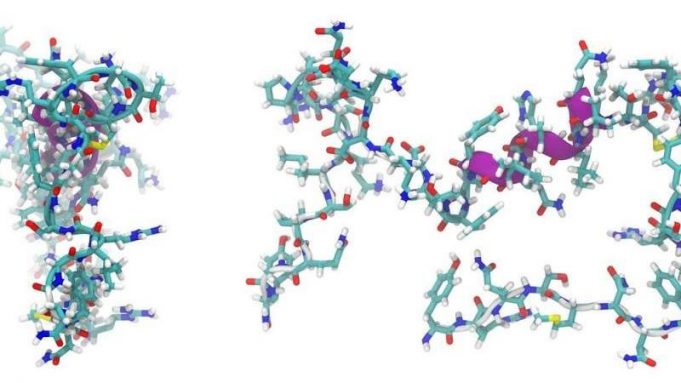
Peptides, one of the fundamental building blocks of life, can be formed from the primitive precursors of amino acids under conditions similar to those expected on the primordial Earth, finds a new UCL study.
The findings, published in Nature, could be...
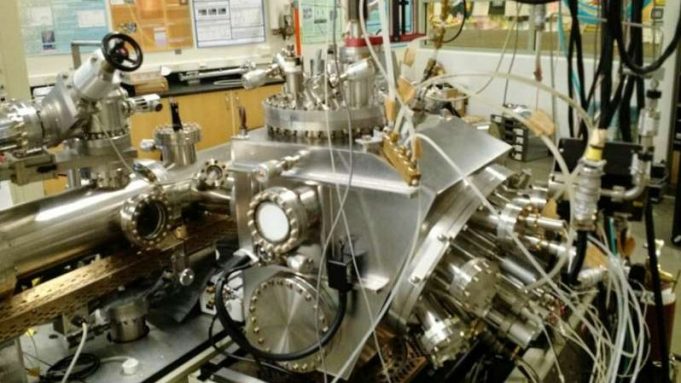
Thin-film solar panels, the cell phone in your hand and the LED bulb lighting your home are all made using some of the rarest, most expensive elements found on the planet.
An international team including researchers at the University of...

With a light-spinning device inspired by the Japanese art of paper cutting, University of Michigan researchers have detected microscopic twists in the internal structure of plant and animal tissue without harmful X-rays.
The approach is the first that can fully...

A Rutgers-led study sheds light on one of the most enduring mysteries of science: How did metabolism—the process by which life powers itself by converting energy from food into movement and growth—begin?
To answer that question, the researchers reverse-engineered a...

When ozone and skin oils meet, the resulting reaction may help remove ozone from an indoor environment, but it can also produce a personal cloud of pollutants that affects indoor air quality, according to a team of researchers.
In a...

Bottles of beer, wine and spirits contain potentially harmful levels of toxic elements, such as lead and cadmium, in their enamelled decorations, a new study shows.
Researchers at the University of Plymouth analysed both the glass and enamelled decorations on a variety...
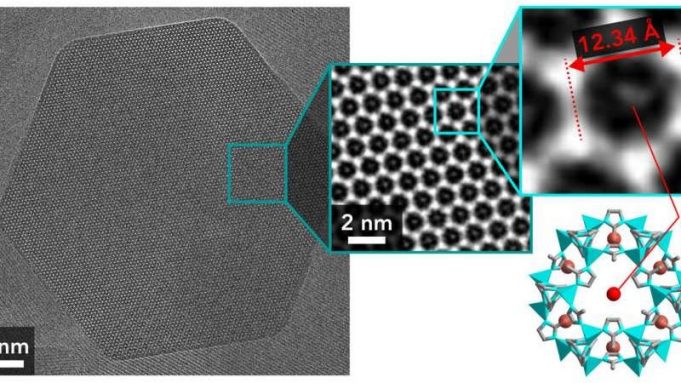
Scientists from the Department of Energy's SLAC National Accelerator Laboratory and Stanford University have taken the first images of carbon dioxide molecules within a molecular cage—part of a highly porous nanoparticle known as a MOF, or metal-organic framework, with...
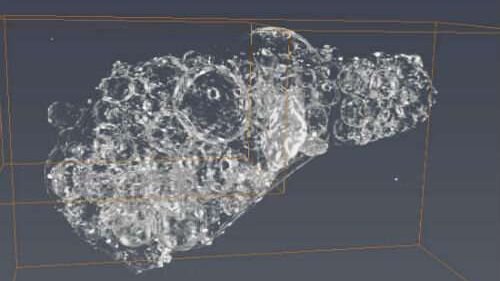
Through the analysis of specific fallout particles in the environment, a joint UK-Japan team of scientists has uncovered new insights into the sequence of events that led to the Fukushima nuclear accident in March 2011.
The multi-organisation research, led by...
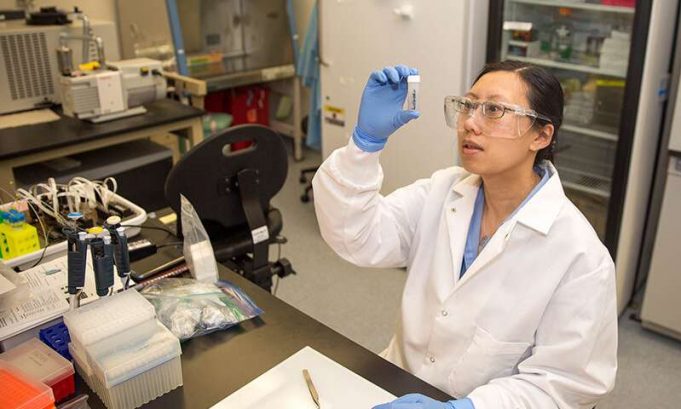
Any single hair from anywhere on the human body can be used to identify a person.
This conclusion is one of the key findings from a nearly year-long study by a team of researchers from Lawrence Livermore National Laboratory's (LLNL)...
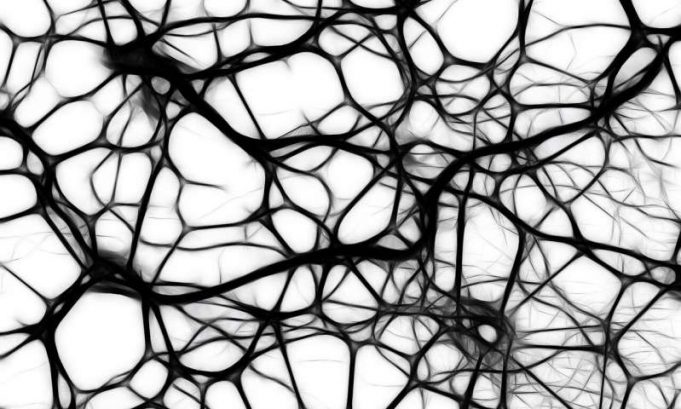
Engineered tissues and organs have been grown with various degrees of success in labs for many years. Many of them have used a scaffolding approach where cells are seeded onto biodegradable supportive structures that provide the underlying architecture of...
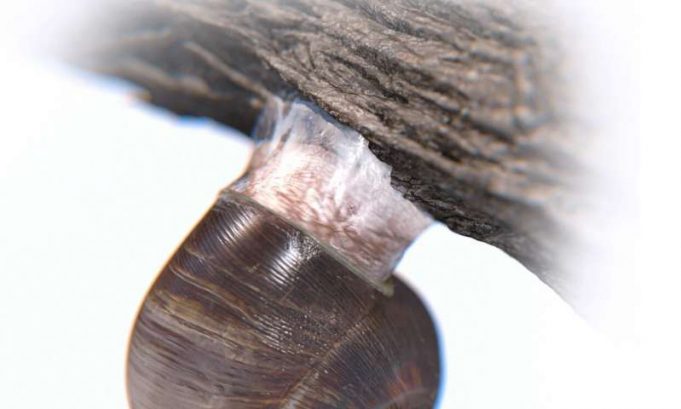
If you've ever pressed a picture-hanging strip onto the wall only to realize it's slightly off-center, you know the disappointment behind adhesion as we typically experience it: it may be strong, but it's mostly irreversible. While you can un-stick...


