




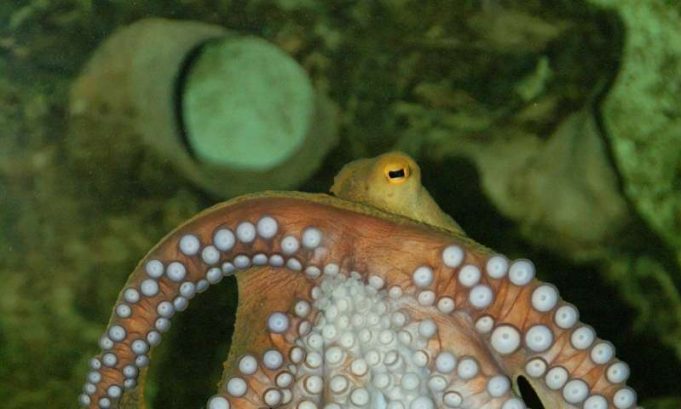
James Cook University (JCU) scientists in Australia have found high carbon dioxide levels cause squid to bungle attacks on their prey.
PhD candidate Blake Spady from JCU's ARC Centre of Excellence for Coral Reef Studies led the investigation. He said...
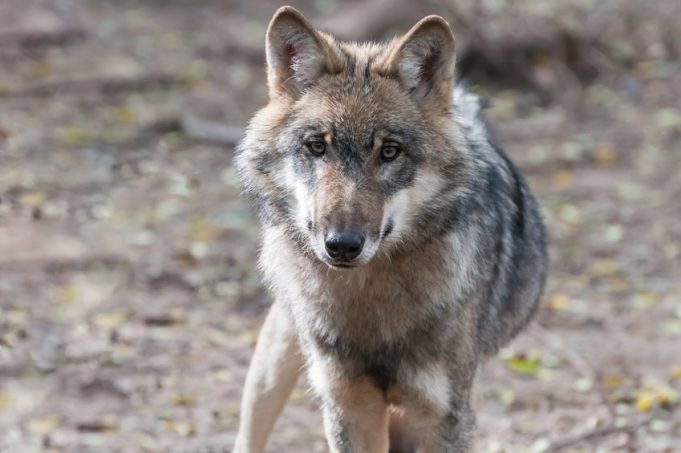
Mating between domesticated dogs and wild wolves over hundreds of years has left a genetic mark on the wolf gene pool, new research has shown.
The international study showed that around 60 per cent of Eurasian grey wolf genomes carried...

Photosynthesis has driven life on this planet for more than 3 billion years—first in bacteria, then in plants—but we don't know exactly how it works.
Now, a University of Michigan biophysicist and her group have been able to image the...

Scientists have discovered a human antibody that protected mice from infection with the deadliest malaria parasite, Plasmodium falciparum. The research findings provide the basis for future testing in humans to determine if the antibody can provide short-term protection against malaria,...
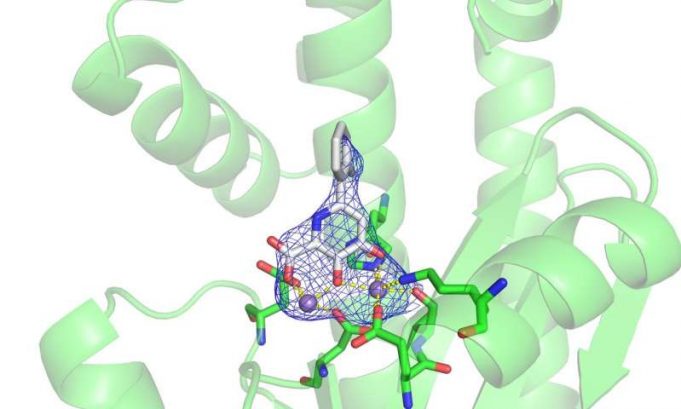
This year's unexpectedly aggressive flu season reminds everyone that although the flu vaccine can reduce the number of people who contract the virus, it is still not 100 percent effective. Researchers report that a tweak to a small-molecule drug...

By analysing a prehistoric site in the Libyan desert, a team of researchers from the universities of Huddersfield, Rome and Modena & Reggio Emilia has been able to establish that people in Saharan Africa were cultivating and storing wild...
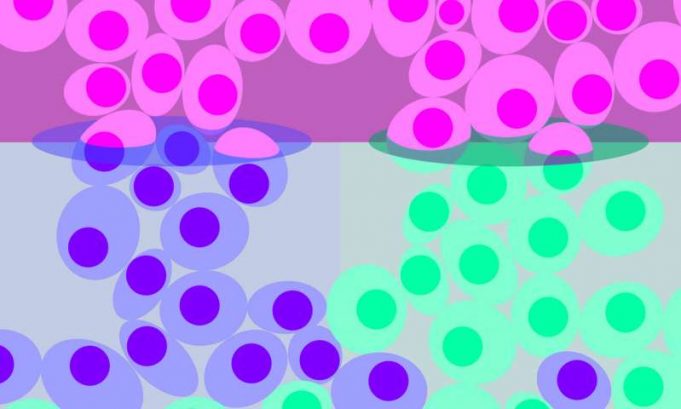
For biologists, a single cell is a world of its own: It can form a harmonious part of a tissue, or go rogue and take on a diseased state, like cancer. But biologists have long struggled to identify and...

Researchers at Whitehead Institute have uncovered a framework for regeneration that may explain and predict how stem cells in adult, regenerating tissue determine where to form replacement structures.
In a paper that appeared online March 15 in the journal Science, the...
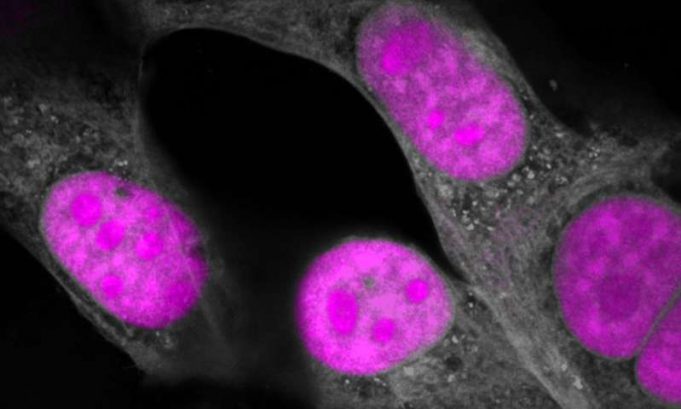
Most people have heard of the CRISPR/Cas9 gene-editing technology, which acts as targeted molecular scissors to cut and replace disease-causing genes with healthy ones. But DNA is only part of the story; many genetic diseases are caused by problems...
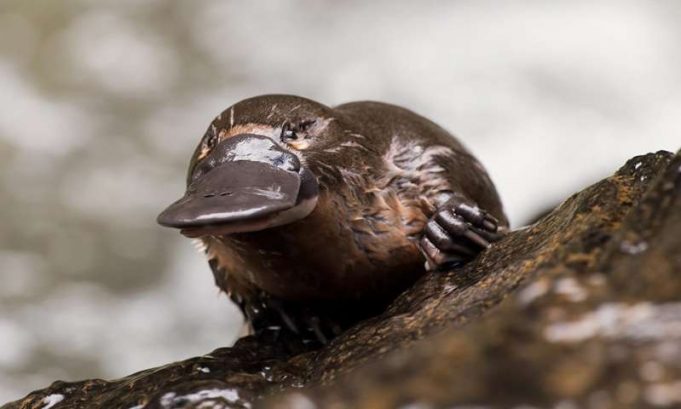
A breakthrough by Australian scientists has brought the introduction of an unlikely hero in the global fight against antibiotic resistance a step closer; the humble platypus.
Due to its unique features - duck-billed, egg-laying, beaver-tailed and venomous- the platypus has...

Wild birds that are more clever than others at foraging for food have different levels of a neurotransmitter receptor that has been linked with intelligence in humans, according to a study led by McGill University researchers. The findings could...


