




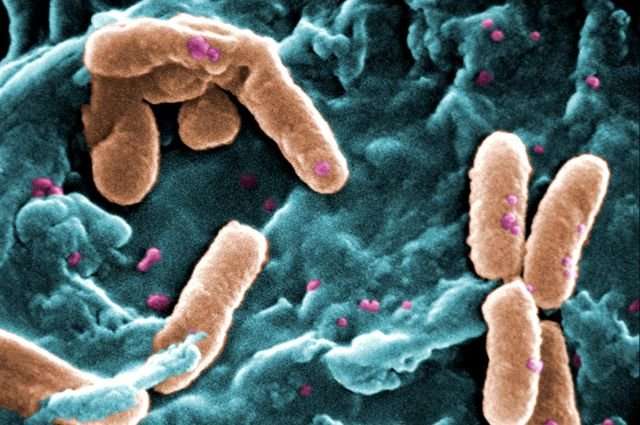
Led by scientists at UCLA, an international team of researchers has discovered that bacteria have a "memory" that passes sensory knowledge from one generation of cells to the next, all without a central nervous system or any neurons.
"This is...
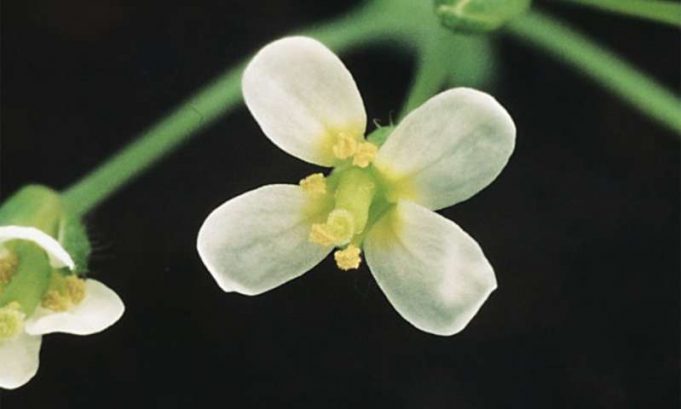
How do plants "know" it is time to flower? A new study uncovers exactly where a key protein forms before it triggers the flowering process in plants.
Until now, no one has pinpointed which cells produce the small protein, called...

Relationship between plants and filamentous microbes not only dates back millions of years, but modern plants have maintained this ancient mechanism to accommodate and respond to microbial invaders.
Why do some plants welcome some microbes with open arms while giving...
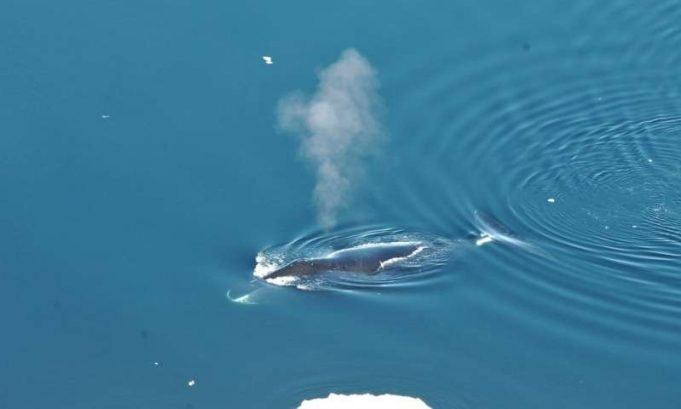
Spring is the time of year when birds are singing throughout the Northern Hemisphere. Far to the north, beneath the ice, another lesser-known concert season in the natural world is just coming to an end.
A University of Washington study...
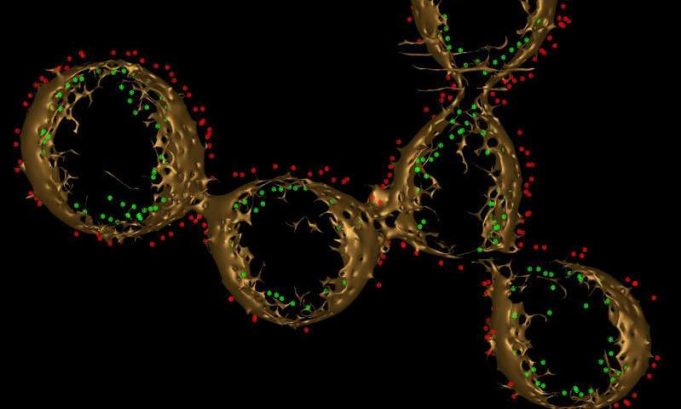
Could a unique bacterium be nature's microscopic power plant?
Scientist Moh El-Naggar and his team think it's possible. They work with the Shewanella oneidensis species of bacteria, one of a group of microbes that essentially "breathe" rocks.
As part of their...

Researchers have discovered a new role for protein vibrations in controlling the transformation of sunshine into useful energy. The study illuminates a mechanism that could help design better solar materials.
The research was conducted in CIFAR Senior Fellow Alan Aspuru-Guzik's...
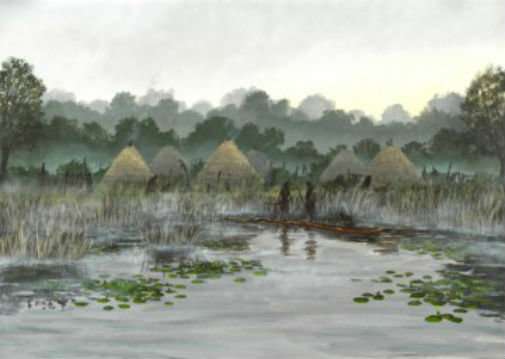
Pioneering early people who lived at the end of the last ice age actually carried on with life as usual despite plummeting temperatures, a study at a world-famous archaeological site in North Yorkshire suggests.
Leading researchers, based at the University...
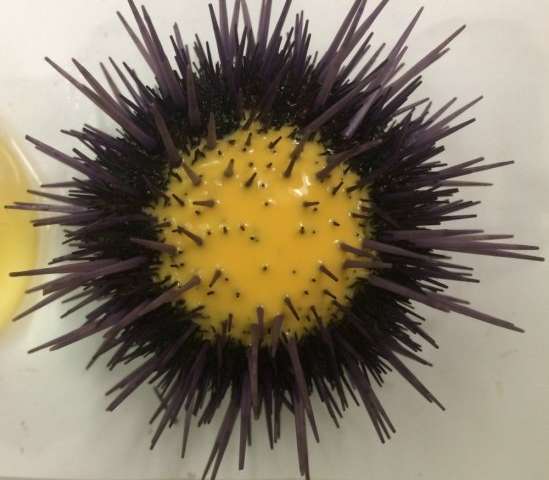
This story begins in the kelp forest and ends with a very important climate change message: All is not lost—at least not for purple sea urchins.
A new study by UC Santa Barbara marine biologists demonstrates that for females of...

Scientists have found a way to stop the spread of rice blast, a fungus that destroys up to 30% of the world's rice crop each year.
An international team led by the University of Exeter showed that chemical genetic inhibition...
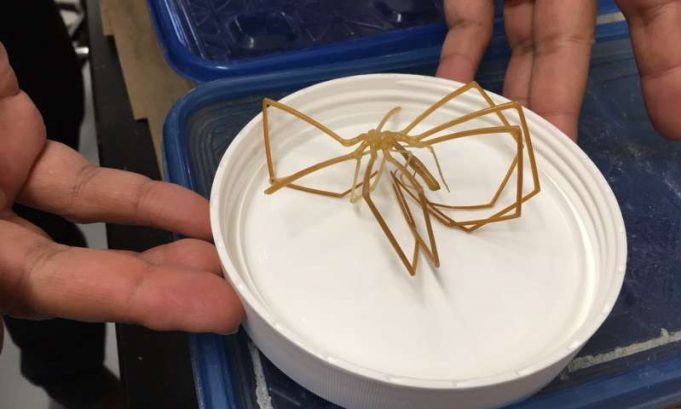
Arthropods are among the most successful animals on the planet. They inhabit the sea (horseshoe crabs), the sky (fruit flies), and the earth (scorpions) in vast numbers and are defined by their exoskeleton exteriors and segmented legs and bodies.
These...
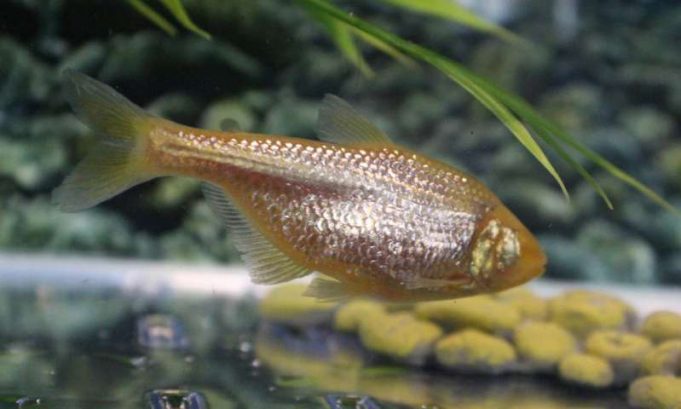
Researchers trying to better understand and treat blood-sugar disorders such as type 2 diabetes can look for new clues in odd little fish that dwell in Mexican caves.
The fat, eyeless cavefish harbor the same genetic mutation as people with...


