




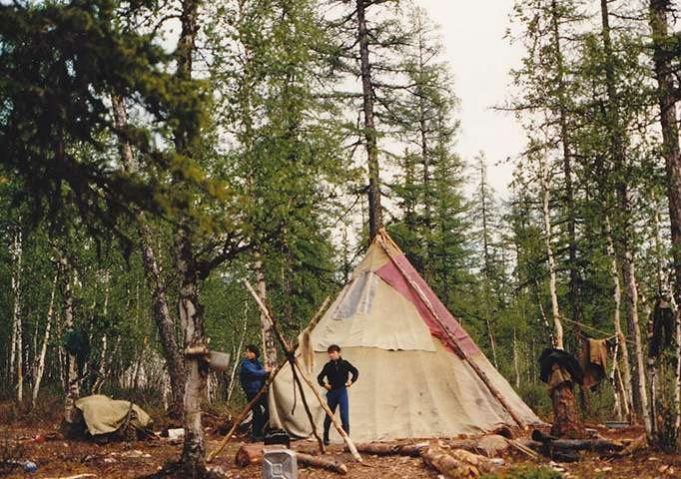
A University of Kansas anthropological geneticist is part of an international research team working to shed light upon one of the unanswered questions concerning the peopling of the New World: Namely, what was the size of the original founding...
While aging is familiar to all of us, exactly how it occurs on a molecular basis has been an area of intense study and interest. We take it for granted that different species age at different rates, yet we...
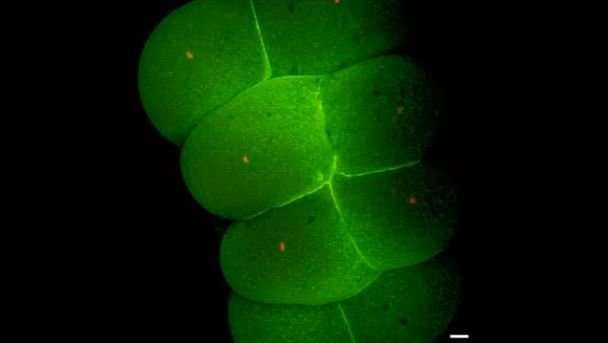
Whether a worm, a human or a blue whale, all multicellular life begins as a single-celled egg.
From this solitary cell emerges the galaxy of others needed to build an organism, with each new cell developing in the right place...
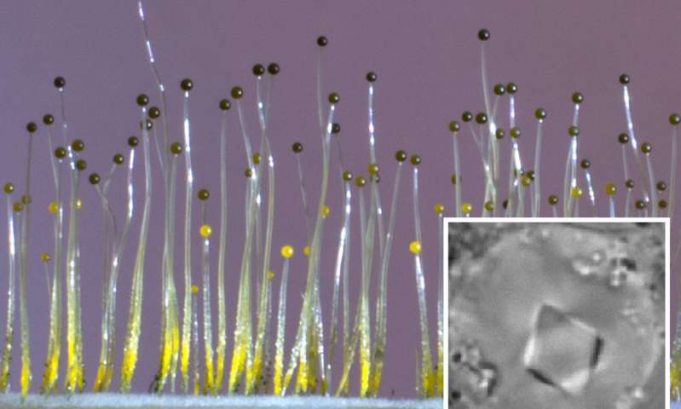
The pin mold fungus Phycomyces blakesleeanus forms a dense forest of vertically growing fruiting bodies, but how does it know which way is "up"? New research publishing 24 April in the open access journal PLOS Biology, from Gregory Jedd's...
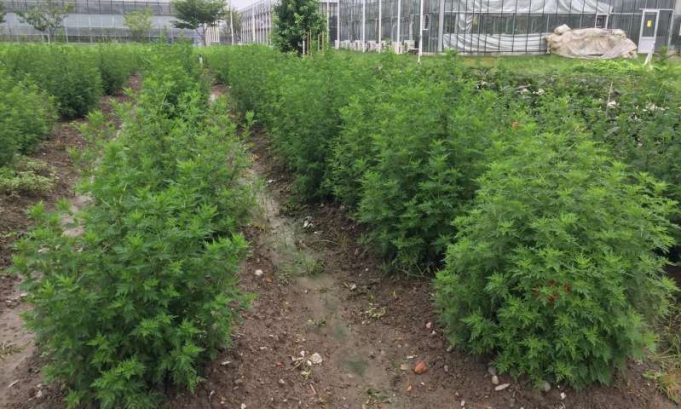
Artemisinin is a potent antimalarial compound produced naturally by the Chinese shrub Artemisia annua, commonly known as sweet wormwood. Currently,however, the low amount of artemisinin produced in the leaves of this plant does not meet the global demand. In...
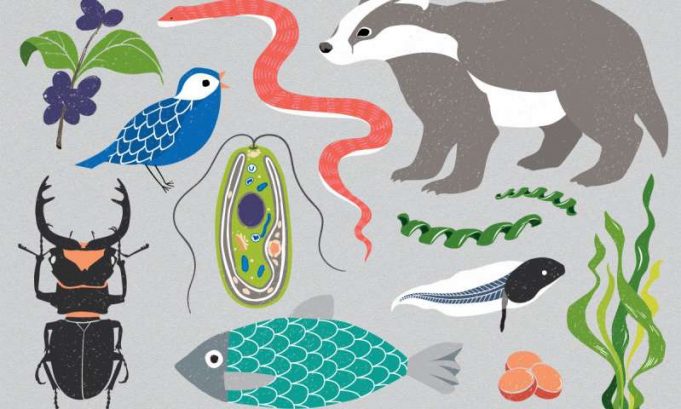
An international consortium of scientists is proposing what is arguably the most ambitious project in the history of biology: sequencing the DNA of all known eukaryotic species on Earth.
The benefits of the monumental initiative promise to be a complete...
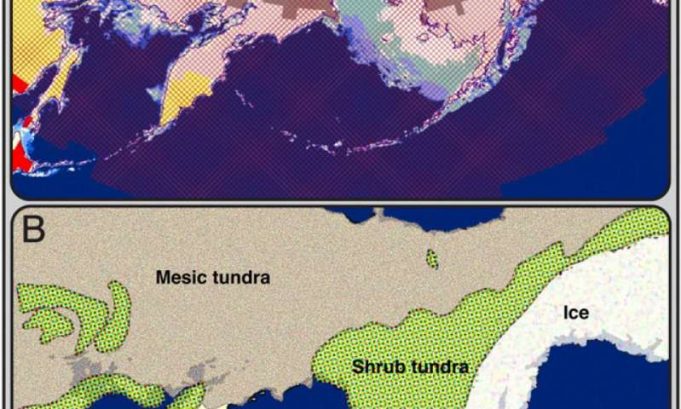
The critical role that breast feeding plays in infant survival may have led, during the last ice age, to a common genetic mutation in East Asians and Native Americans that also, surprisingly, affects the shape of their teeth.
The genetic...
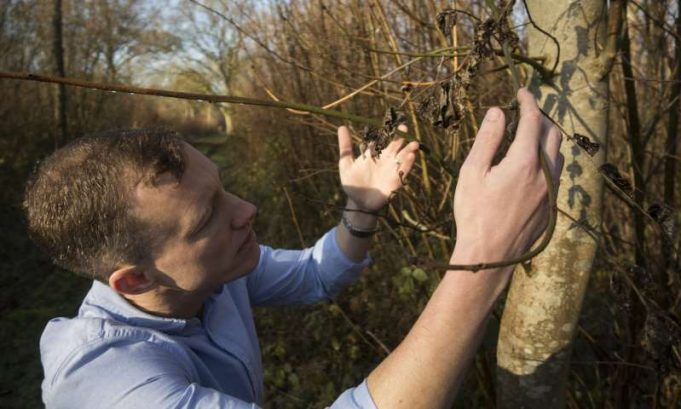
Ash dieback threatens 95% of all European ash trees and has already killed or severely damaged a quarter in southern Sweden and destroyed more than 80% of young ash trees in Norway.
"It's incredible that from such limited genetic diversity...

An international team of scientists including the University of Adelaide has discovered a new complex carbohydrate in moss that could possibly be exploited for health or other uses.
The scientists, from Australia's ARC Centre of Excellence in Plant Cell Walls...
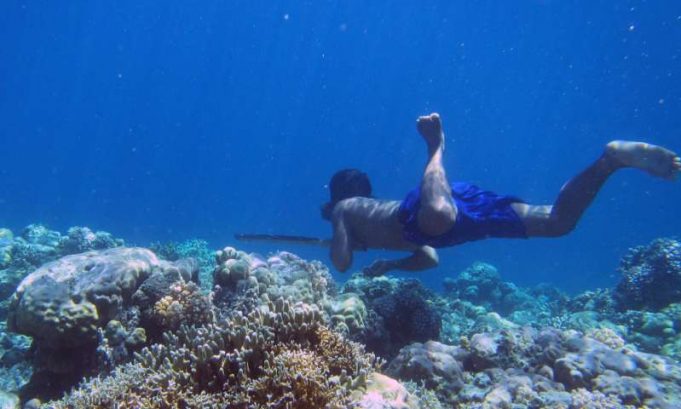
Evidence that humans can genetically adapt to diving has been identified for the first time in a new study. The evidence suggests that the Bajau, a people group indigenous to parts of Indonesia, have genetically enlarged spleens which enable...

If there's one fact that most people retain from elementary biology, it's that mitochondria are the powerhouses of the cell. As such, they break down molecules and manufacture new ones to generate the fuel necessary for life. But mitochondria...


