




For years, researchers have known that a gene called EAK-7 plays an important role in determining how long worms will live. But it remained unclear whether the gene had a counterpart in humans and – if it did –...

Today's baleen whales (Mysticetes) support their massive bodies by filtering huge volumes of small prey from seawater using comb-like baleen in their mouths much like a sieve. But new evidence reported in the journal Current Biology on May 10...

Neuroscientists at Indiana University have reported the first evidence that non-human animals can mentally replay past events from memory. The discovery could help advance the development of new drugs to treat Alzheimer's disease.
The study, led by IU professor Jonathon...
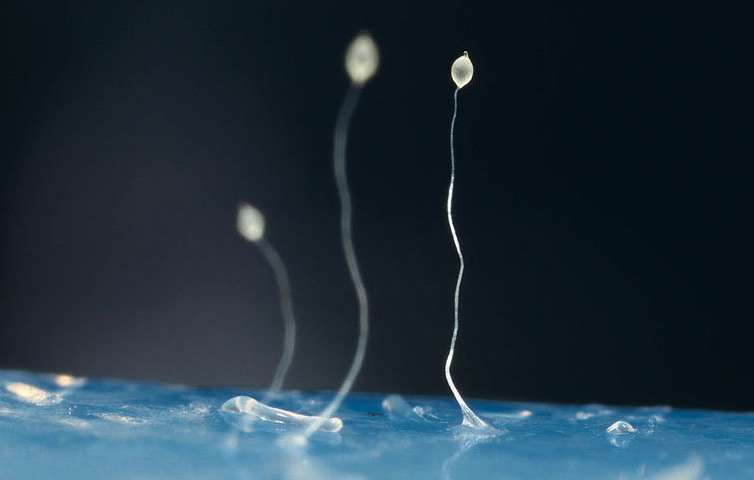
Microbes vary their contribution to a community to maximise the return on their investment according to a new study led by UCL and the University of Bath.
Scientists made the discovery while investigating one of the fundamental questions in biology...
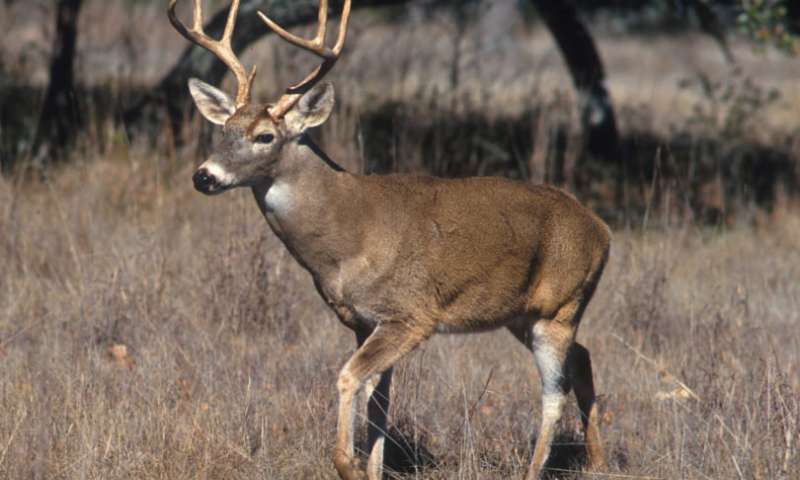
Every year, billions of animals migrate across the globe, carrying parasites with them and encountering parasites through their travels. Now, a team of researchers at the University of Georgia's Odum School of Ecology discovered that animals known to migrate...
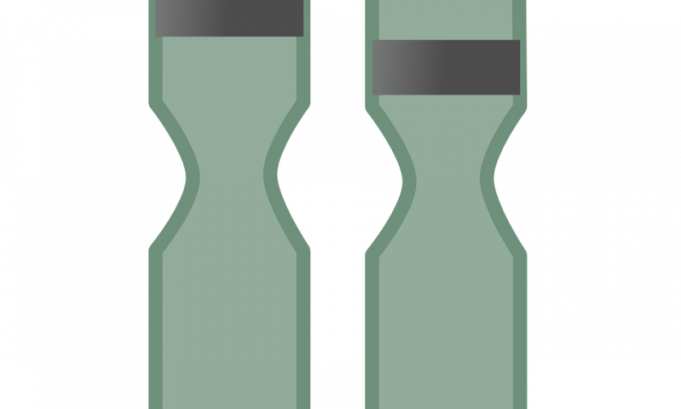
Genome-wide association studies, which look for links between particular genetic variants and incidence of disease, are the basis of much modern biomedical research.
But databases of genomic information pose privacy risks. From people's raw genomic data, it may be possible...

Asst. Prof. Sarah London has long appreciated zebra finches for their unique learning characteristics. The males learn from another male tutor, but their ability to memorize the tutor's song is restricted to a "critical period," or CP. This offers...
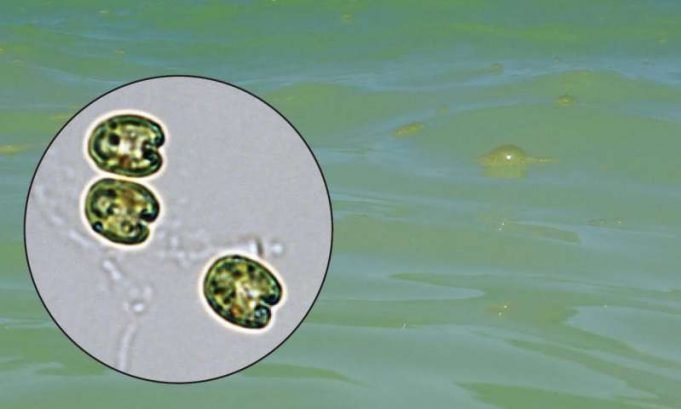
Researchers at the Daniel K. Inouye Center for Microbial Oceanography: Research and Education (C-MORE) at the University of Hawai'i (UH) at Mānoa have characterized a new, unusually large virus that infects common marine algae. Found in the coastal waters...
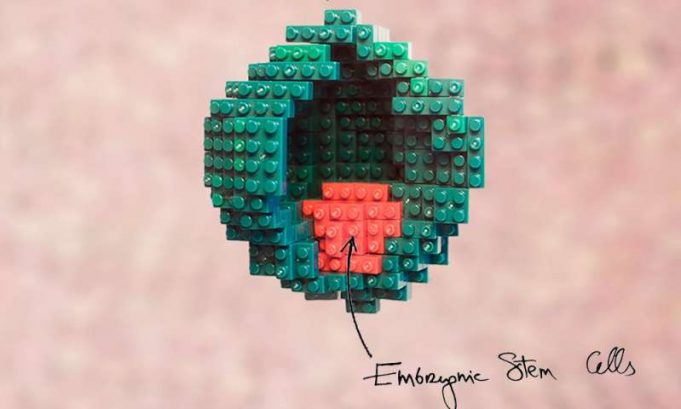
Scientists have for the first time created embryo-like structures in the lab from stem cells, without recourse to eggs or sperm, they reported Wednesday.
In experiments, bundles of mouse stems cells—one type corresponding to the placenta, another to the embryo—self-organised...
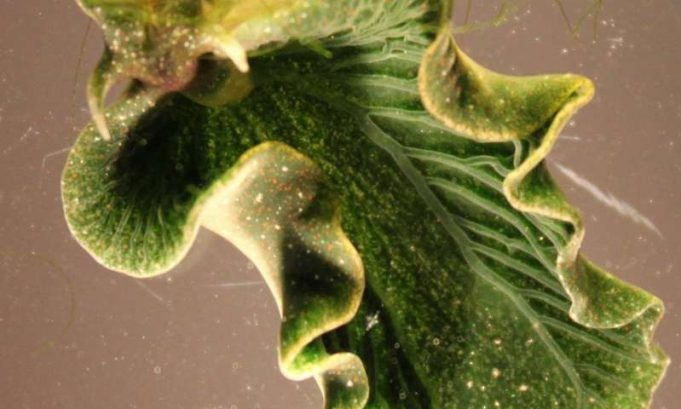
In an amazing achievement akin to adding solar panels to your body, a Northeast sea slug sucks raw materials from algae to provide its lifetime supply of solar-powered energy, according to a study by Rutgers University-New Brunswick and other...
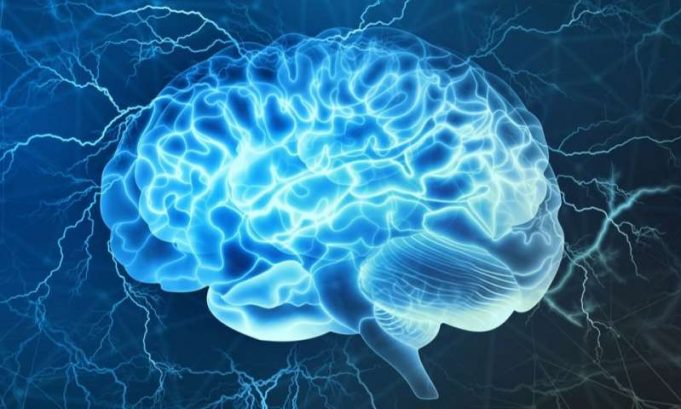
In experiments studying how fruit flies distinguish between ever closer concentrations of an odour, the researchers led by Professor Gero Miesenböck had previously identified a tiny minority of about 200 nerve cells in the brain as critical for decision-making.
In...


